



Mid Century Brass Holders
Mid century brass holders bring warmth and structural gleam to an interior, channelling decades of domestic utility into sharp modern focus.
Mid Century Brass Holders
Mid century brass holders encompass functional vessels designed for lighting and storage, ranging from slender candlesticks to magazine racks and umbrella stands. Buyers searching this phrase often encounter robust examples spanning the eighteenth century to the mid twentieth century, reflecting varied domestic rituals.
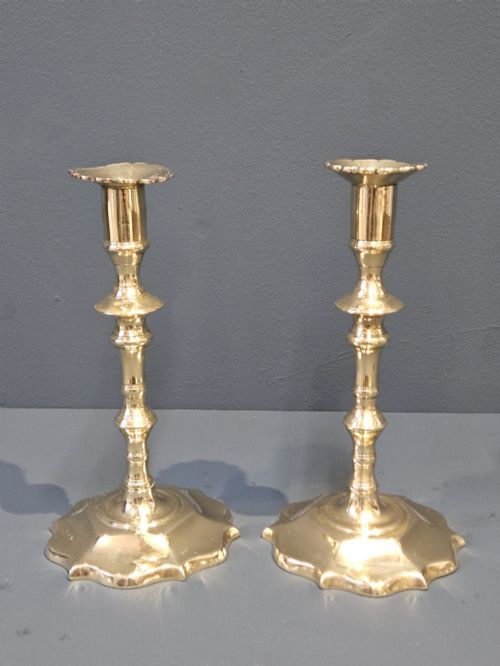
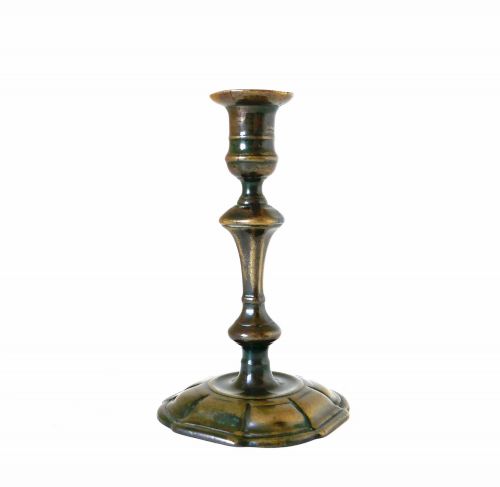
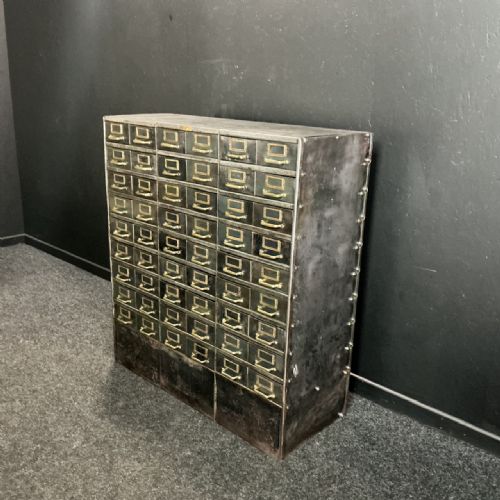
The selections on this page lean heavily toward Georgian and Victorian candlesticks alongside twentieth-century magazine racks and stands. These pieces combine utilitarian origins with decorative presence, utilising polished metal surfaces to catch ambient light.
Materials and construction
Construction relies primarily on cast brass, seamed brass, and gilded brass, often supported by secondary components of bronze, steel, iron, and wood. Makers shaped these materials through casting, joining, and surface finishing to create durable household objects.
Early items utilise traditional techniques such as seaming and patination, while later twentieth-century pieces introduce distinct profiles like bamboo-style framework and swan motifs. The interaction between solid brass and subsidiary metals dictates the weight and structural integrity of each piece.
Mid Century Brass Holders Retail Price Guide 2026
Typical asking prices for mid century brass holders among the pieces listed under this phrase on Sellingantiques today, from the lower quarter to the upper quarter. They describe what is for sale here now, not the wider market.
Materials range from solid cast brass and paktong to contrasting touches of wood, copper, and iron.
Evaluating quality and finish
Quality rests in the crispness of casting, the integrity of joints, and the preservation of original surface patination. Superior examples display balanced proportions and deliberate detailing rather than hasty assembly.
The distinction between standard utility items and finer decorative pieces emerges in the handling of edges, the weight of the metal, and the subtlety of decorative motifs like scalloped bases or shaped collars.
The Mid Century Brass Holders Glossary
- Seamed brass
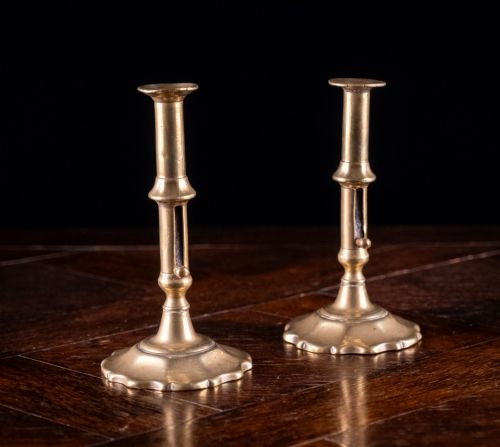
- Metal rolled and joined at a visible seam during construction. This technique is common in older candlesticks before modern extrusion methods.
- Ejector candlestick
- A domestic lighting device containing an internal mechanism to push out exhausted candle stubs. It provides practical convenience in eighteenth-century interiors.
- Paktong
- A copper, nickel, and zinc alloy resembling silver, utilised for high-status lighting in the eighteenth century. It offers a bright, silvery finish.
- Gilded brass
- Base metal treated with a thin layer of gold or gold-coloured wash to enhance brilliance. This finish appears more frequently on decorative nineteenth-century candelabras.
- Collar
- A distinct raised ring or flange encircling the stem of a candlestick. It serves both a structural and decorative purpose.
Mid Century Brass Holders: Frequently Asked Questions
What defines a mid century brass holder?
These items encompass functional brass objects designed to hold candles, magazines, or umbrellas across various historical periods.
They combine robust metal construction with decorative utility, serving both practical household roles and aesthetic functions in domestic spaces.
How were these brass objects used?
Candlesticks provided essential interior lighting before electricity, while magazine racks and umbrella stands organised daily newspapers and wet accessories in hallways and parlours.
Each form responded directly to the domestic routines and storage needs of its specific era.
How do I care for antique brass?
Maintenance involves gentle dusting and occasional cleaning with appropriate non-abrasive metal solutions to preserve the underlying alloy.
Avoid aggressive polishing that strips away historical patination and softens crisp casting details built up over centuries.
How do I distinguish eighteenth-century pieces from later ones?
Early pieces often feature seamed construction, specific collar designs, and deep patination accumulated through generations of use.
Later mid-century iterations introduce bolder stylistic influences like Hollywood Regency or streamlined modernism alongside lighter frame structures.