



Mid Century Bedside
Mid century bedside pieces range from mahogany pedestals to teak cabinets, offering compact storage and distinct lighting for the bedroom.
Mid Century Bedside
When you search for mid century bedside, you encounter a varied selection of functional furniture and lighting designed for the bedroom. The listings on this page span several eras, including the eighteenth, nineteenth, and twentieth centuries, with styles ranging from Georgian and Victorian to Mid-Century Modern.
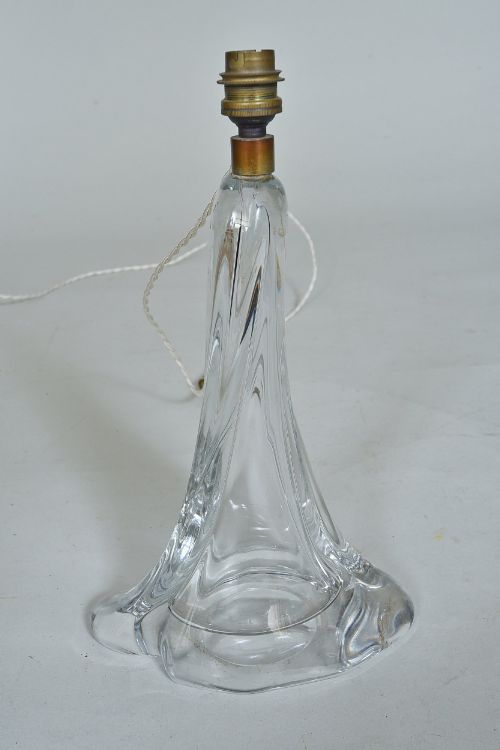
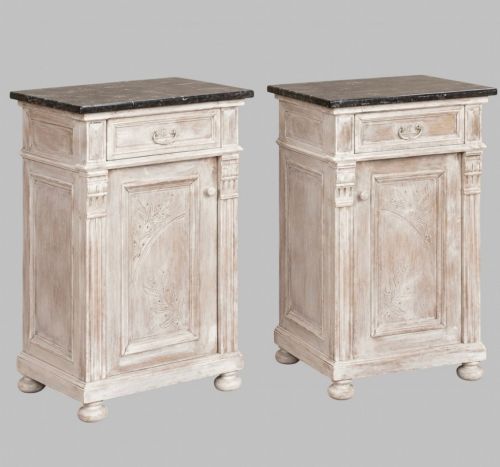
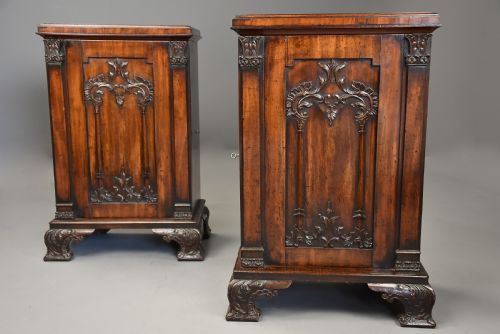
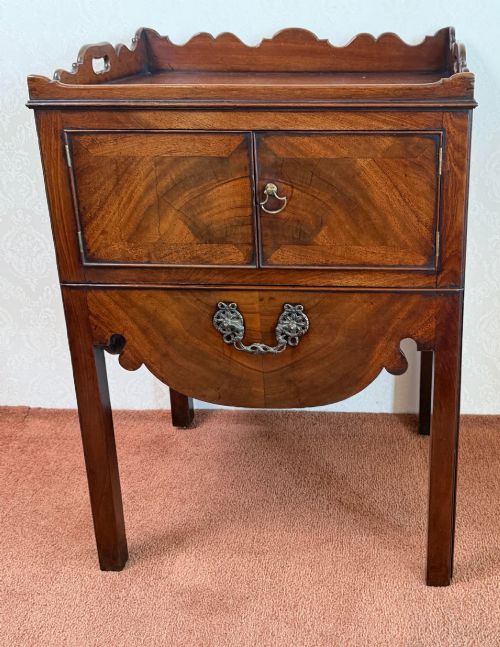
You are most likely to meet bedside tables, bedside cabinets, and pedestal cupboards, alongside table lamps and chests of drawers that serve a similar domestic purpose. These items combine practical storage with decorative presence, using woods like mahogany, walnut, and teak, alongside marble tops and glass elements.
Materials and construction
The pieces recorded here utilise a diverse palette of materials, combining traditional timbers with metals and glass. Mahogany, walnut, and teak provide structural integrity for cabinets and chests, frequently paired with marble tops or brass and gilt metal hardware.
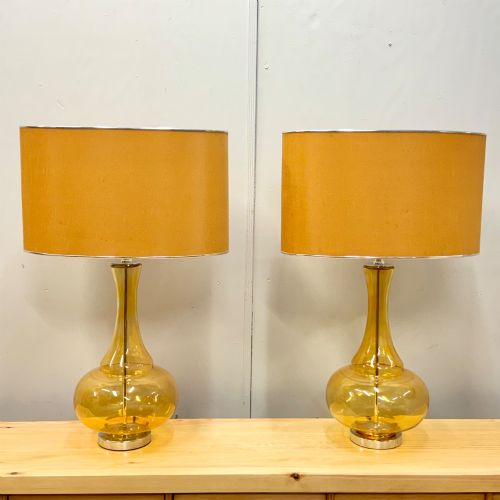
Lighting and decorative accessories incorporate cut glass, amber glass, and sterling silver. Craftsmanship is evident in carved elm, painted finishes, and precise joinery across different periods.
Mid Century Bedside Retail Price Guide 2026
Typical asking prices for mid century bedside among the pieces listed under this phrase on Sellingantiques today, from the lower quarter to the upper quarter. They describe what is for sale here now, not the wider market.
The listings span eight distinct periods, stretching from the eighteenth century through to mid-century modern design.
Judging quality
Quality in these items rests on the selection of materials and the integrity of the construction. Pieces featuring figured timbers, such as flame mahogany or rich walnut, sit at a different level from standard painted or plain wood examples.
Attribution to known makers or distinctive stylistic execution also elevates a piece. The refinement of mounts, marble quality, and the preservation of original glass or brass components dictate the standing of each item.
Geoffrey Bellam·Angelo Brotto·Esperia·Mallett·Jaeger LeCoultre
The Mid Century Bedside Glossary
- Pedestal cabinet
- A tall, narrow freestanding cupboard designed to stand beside a bed. It typically encloses storage space behind a single door.
- Commode
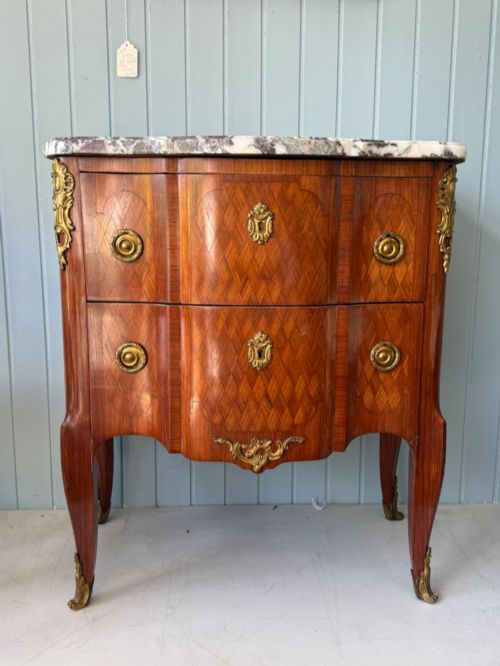
- A decorative chest of drawers or cabinet, often featuring a marble top. French examples from the eighteenth and nineteenth centuries frequently appear in this category.
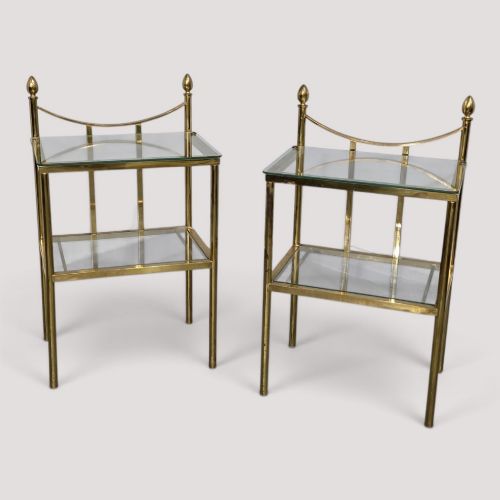
- Etagere
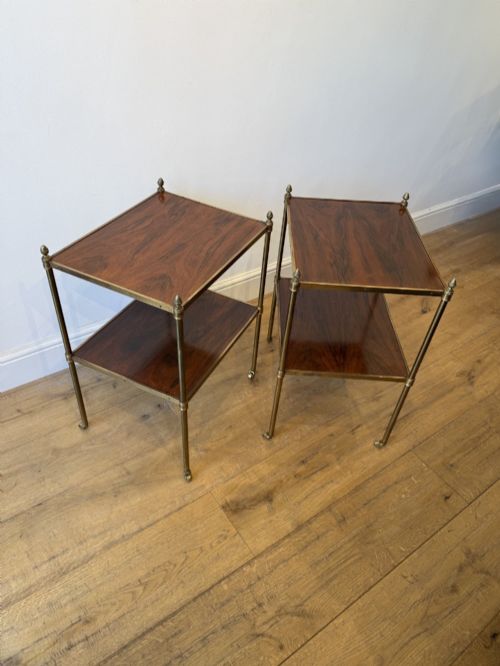
- A piece of furniture consisting of a set of open shelves for displaying small objects. These often take a tiered form in metal or wood.
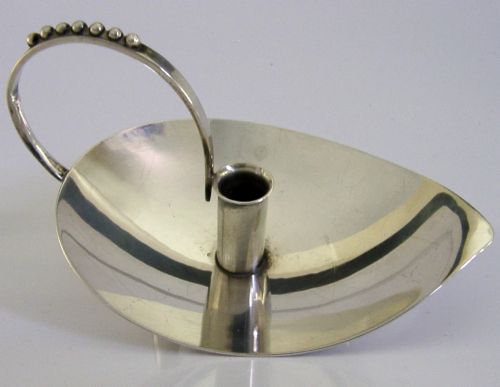
- Chamberstick
- A short candlestick fitted with a pan to catch dripping wax and a handle for carrying. These portable light sources date back centuries.
- Verde marble
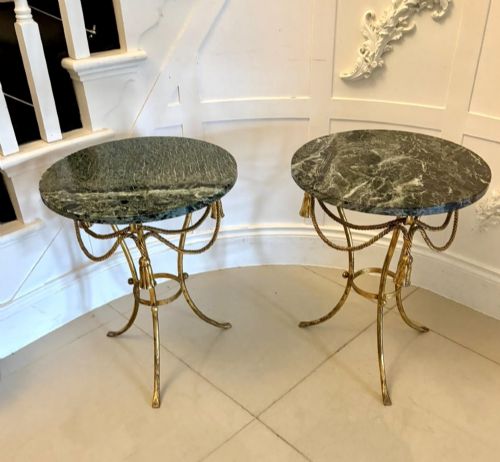
- A dark green ornamental marble with lighter veining. It is commonly utilised for the tabletops of commodes and bedside cabinets.
Mid Century Bedside: Frequently Asked Questions
What defines a mid century bedside table?
Mid century bedside tables encompass compact cabinets, open shelf units, and small chests designed to sit beside a bed for convenient nighttime storage.
They appear in materials ranging from teak to walnut and mahogany, reflecting the diverse design influences of the twentieth century and earlier periods.
How do I use a pedestal cabinet?
A pedestal cabinet functions as a bedside storage unit, offering a concealed compartment behind a door for personal items.
The top surface provides adequate space for a bedside lamp, a clock, or a small tray.
Are marble top bedside pieces practical?
Marble top bedside cabinets and commodes offer a durable, wipe-clean surface that resists liquid spills from water glasses or bedside lamps.
This stone surface adds weight and stability to the piece while introducing classic decorative colour and veining.
How do I distinguish eighteenth century from Victorian bedside tables?
Eighteenth century bedside tables often display classical proportions with tray tops or Chippendale influences in mahogany. Victorian pieces tend to be heavier, utilising flame mahogany or walnut with taller proportions and distinct interior fittings.
Examining the construction methods and timber grain helps clarify the period of manufacture.