
Mid Century Art
Mid century art brings together paintings, drawings and decorative objects that capture the varied visual experiments of the twentieth century.
Mid Century Art
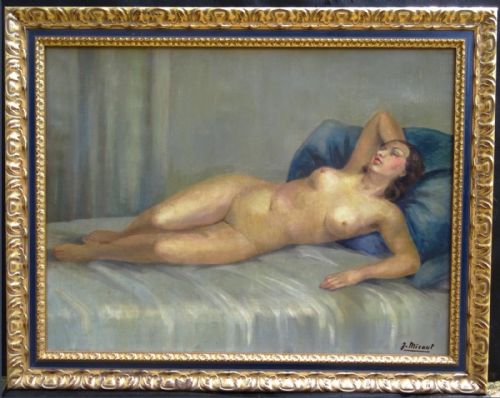
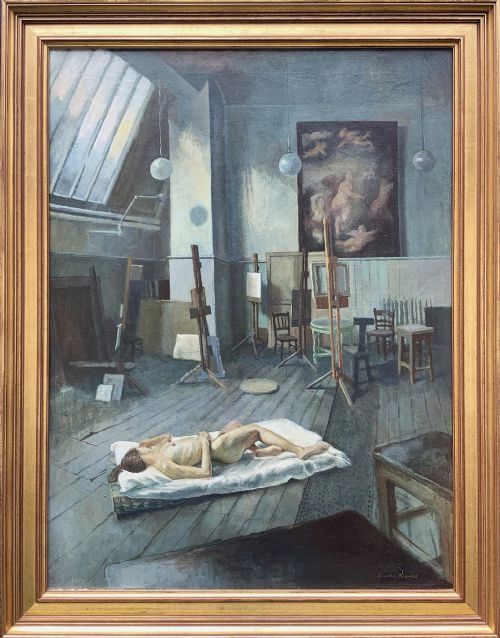
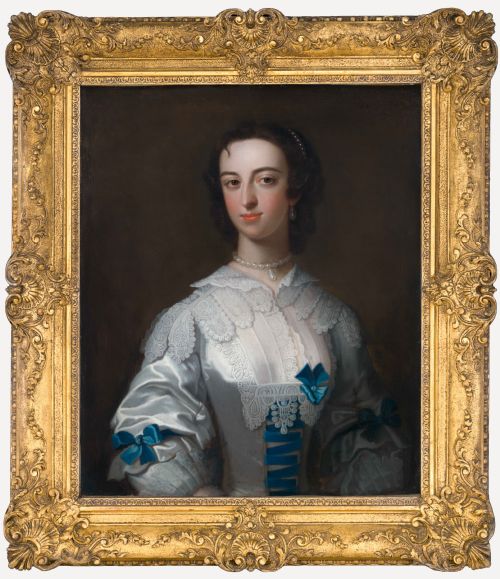
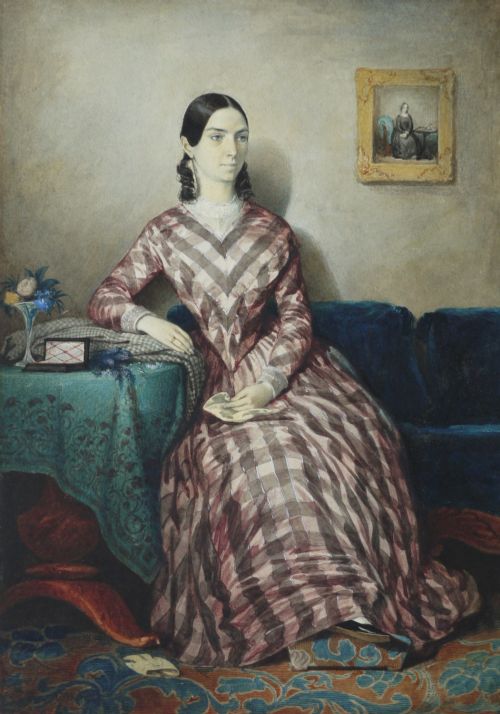
Mid century art encompasses a wide assortment of paintings, drawings, and illustrative works produced across the mid twentieth century. Buyers seeking this aesthetic encounter oil paintings, watercolours, pastel drawings, and prints spanning landscapes, portraits, and still lifes. The selection spans several decades of creative output, connecting distinct stylistic movements from British landscapes to continental portraits.
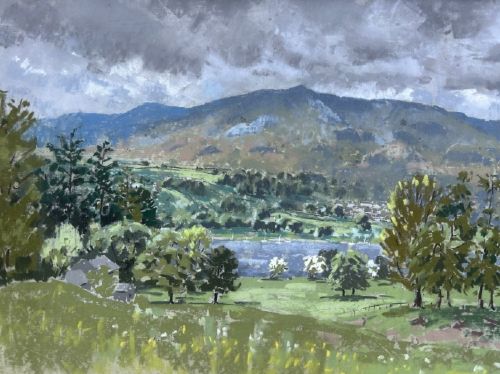
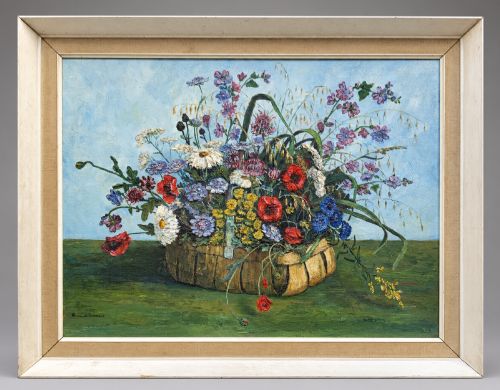
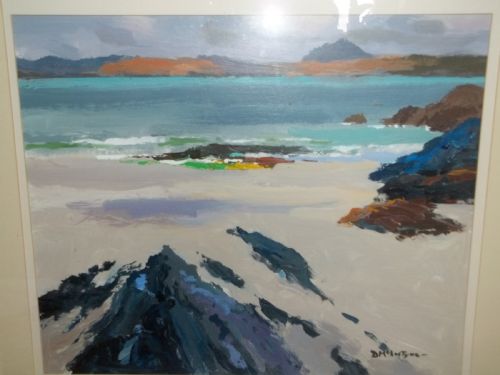
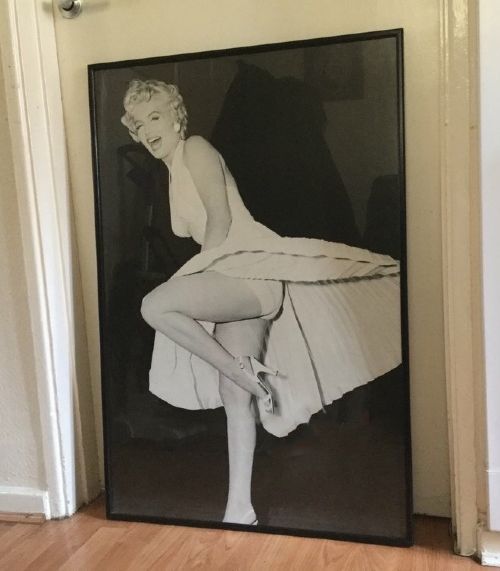
The objects on this page represent diverse object types and media, ranging from coastal watercolours and floral still lifes to portraits and framed prints. Alongside traditional canvases, the selection includes works on board, paper panels, and photographic prints. Many pieces reflect mid-century British and European sensibilities, capturing scenes from Cumbrian lakes to maritime harbours.
Materials and methods
The pieces rely on traditional artistic materials such as oil paint on canvas or board, watercolour pigments on paper, and pastel on drawing paper. Artists utilised these mediums to achieve varying textures, from the dense impasto of coastal oil paintings to the delicate washes of botanical watercolours.
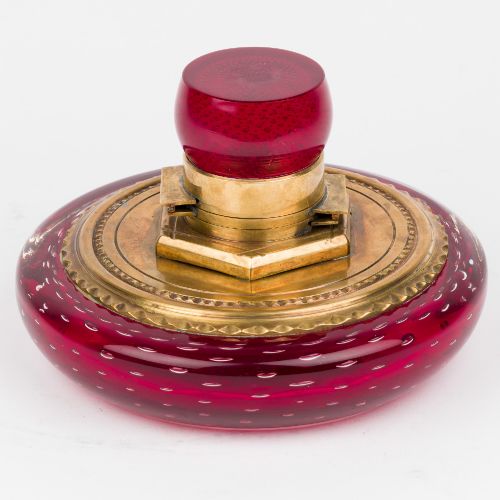
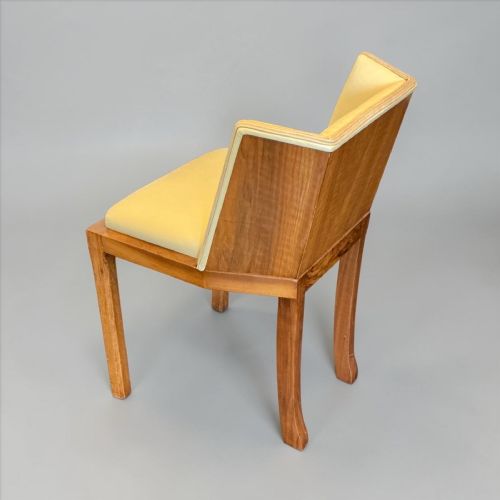
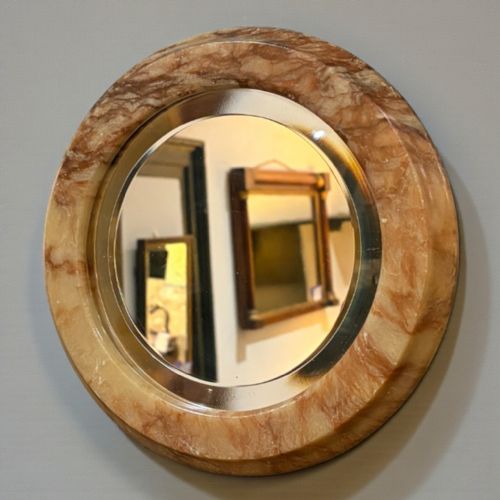
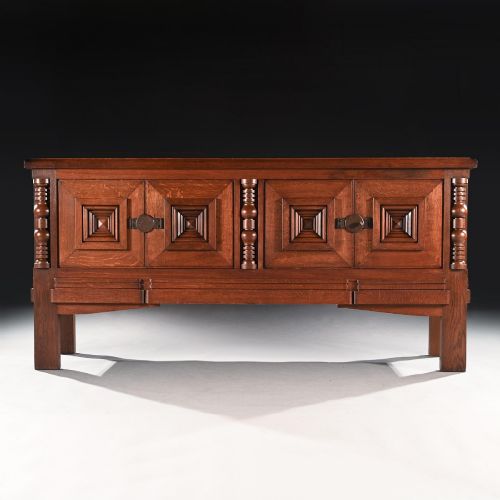
Support structures include stretched canvas, wooden panels, paper sheets, and backing boards. Framing materials and secondary supports preserve the integrity of these works, while associated items incorporate glass, metal, and carved wood.
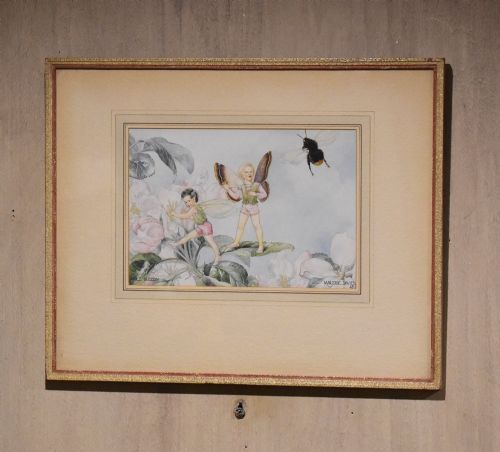
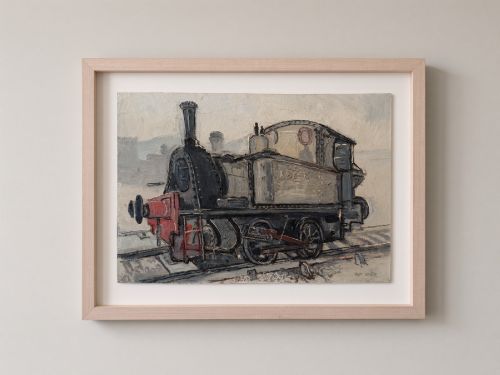
A delicate flower fairy watercolour shares space with robust steam locomotive paintings and miniature cocktail stick sets.
Distinguishing quality in the range
Quality in mid century art rests upon the surety of the brushwork, the balance of the composition, and the artist's command of light and colour. Works by recognised painters display a confident handling of pigment and a distinct personal vision within landscape or portraiture.
Condition and originality play a significant part in the appeal of a piece. Works retaining their original untouched surfaces and authentic framing demonstrate greater integrity than those altered over time.
Deidre Daines·Angus Rands·Marjorie L Davies·Fred Yates·Lionel Ellis·Sushila Singh·Whitefriars·Donald McIntyre·Henry Pickering·Charles Dudouyt·Alessandro Cittadini·Irene Christobelle Pownoll Williams·Cecil Keeling·Kenneth Cozens·R E Stone·Thomas Miles Richardson Jnr·Bernard Hailstone·Richard Principal Leitch·John R Prentice·Donald Grant·Edward Barnsley·Robert Leslie Howey
The Mid Century Art Glossary
- Oil on Canvas
- Pigments suspended in a drying oil applied to a woven fabric stretched across a wooden frame. This medium allows for rich colour depth and textured brushstrokes.
- Watercolour
- A paint consisting of colour pigments suspended in a water-based solution, typically applied to paper. It produces translucent washes and delicate tonal shifts.
- Pastel
- A dry art medium in the form of a stick, consisting of powdered pigment and a binder. It creates velvety marks with soft edges.
- Still Life
- A work of art depicting mostly inanimate subject matter, typically commonplace objects such as flowers, fruit, or vessels. These compositions focus on arrangement, light, and colour harmony.
- Impasto
- Paint applied thickly to a canvas, standing out from the surface so that the brush or palette knife marks remain visible. This technique adds tactile dimension to the artwork.
Mid Century Art: Frequently Asked Questions
How do watercolours differ from oil paintings here?
Waterworks utilise water-soluble pigments on paper supports, creating translucent layers and delicate atmospheric effects. They are generally framed behind glass to protect the paper surface.
Oil paintings use suspended pigments on canvas or board, offering thicker application, visible texture, and greater resistance to environmental wear.
Where were these pieces originally produced?
The works originate from various European and British studios, reflecting regional artistic traditions. Many capture specific British landscapes, from Cumbrian waters to northern industrial rivers.
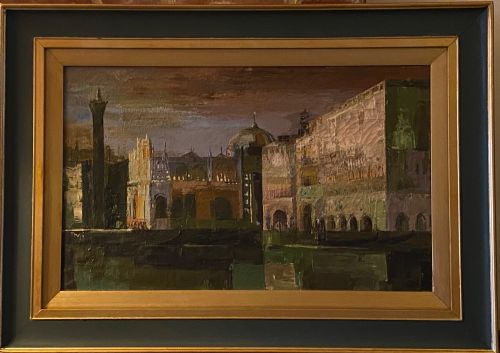
Continental influences also appear through French and Italian portraits and maritime views, demonstrating a broad geographical scope.
How should I care for vintage paintings at home?
Keep framed paintings away from direct sunlight and damp environments to protect the paper, canvas, and pigments from fading or moisture damage. Avoid using chemical cleaners on painted surfaces or old wooden frames.
Dust lightly with a soft, dry cloth and ensure hanging hardware remains secure to support the weight of the piece safely.