




Metal Wash Copper
These substantial metal wash copper pieces bring warmth and weight to interior and garden spaces.
Metal Wash Copper
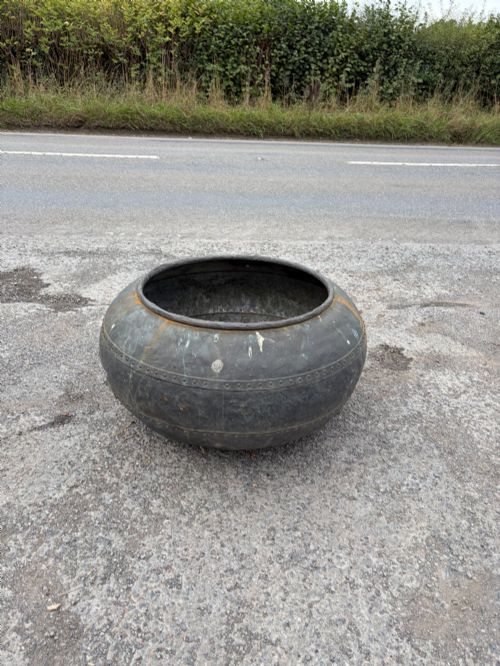
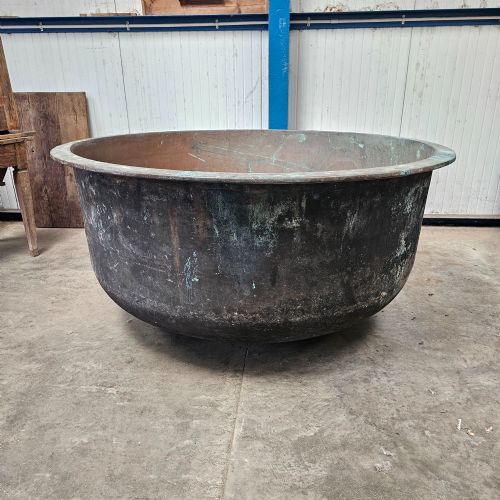
When you search for metal wash copper, you encounter heavy utilitarian vessels originating primarily from the nineteenth century, including large pots, cauldrons, boilers, and pans.
The selections span domestic cookware, dairy cream setting pans, and cheese vats alongside garden display pots and log bins.
English and French country examples dominate the forms, reflecting robust practical origins in farmhouses and commercial kitchens.
Metals and construction methods
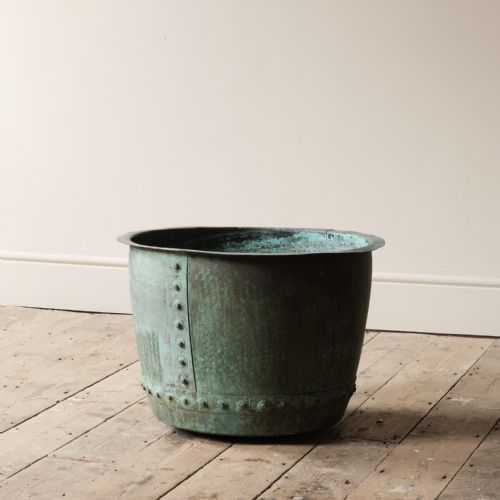
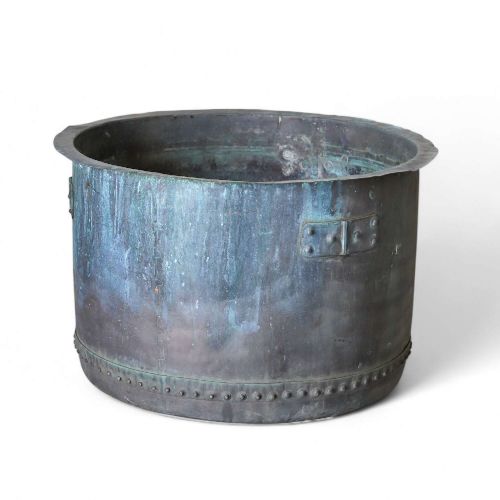
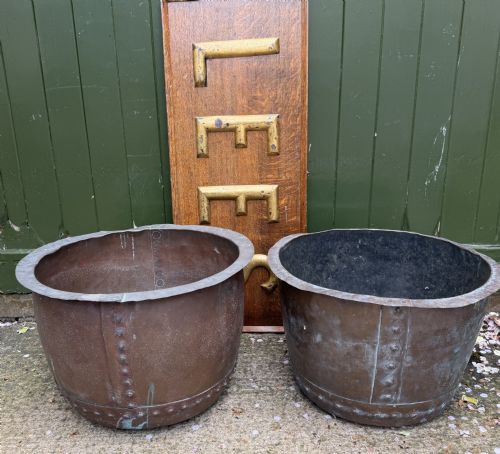
Primary construction relies on heavy gauge copper joined by hand-riveting, creating durable seams designed to withstand intense daily use.
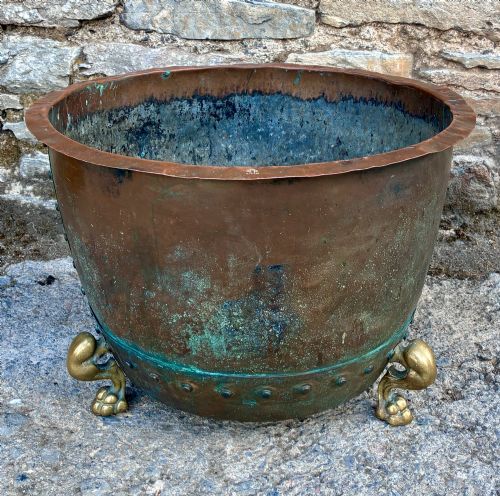
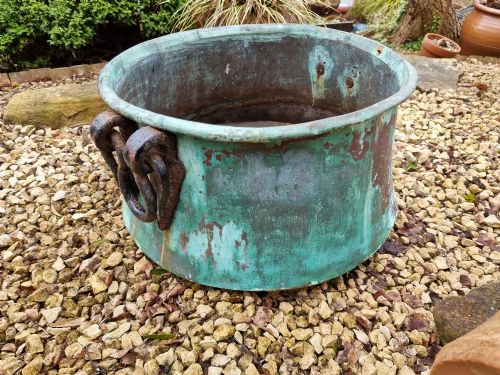
Many items incorporate supplementary materials such as wrought iron swing handles, brass fittings, and cast iron supports.
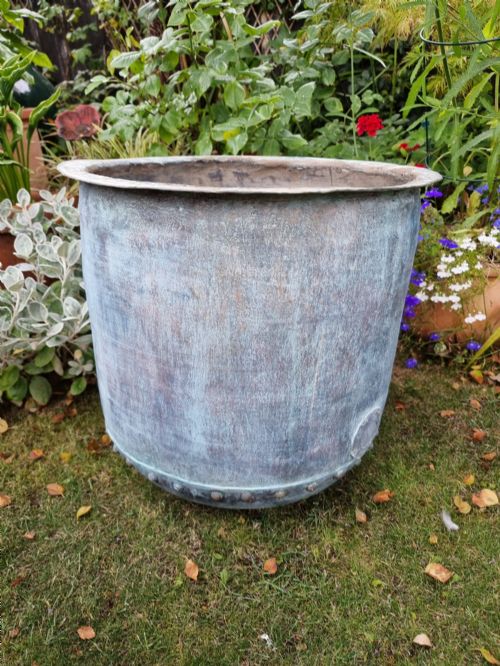
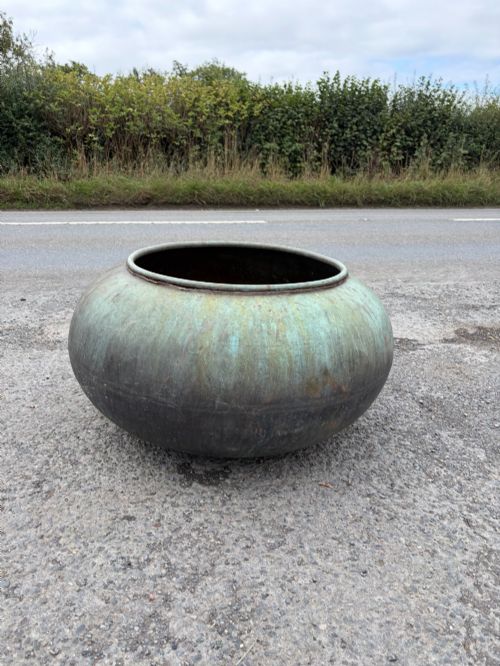
Surfaces accumulate natural patinas, verdigris finishes, and signs of historical wear resulting from decades of exposure and usage.
Metal Wash Copper Retail Price Guide 2026
Typical asking prices for metal wash copper among the pieces listed under this phrase on Sellingantiques today, from the lower quarter to the upper quarter. They describe what is for sale here now, not the wider market.
Grain measures and cheese vats find new life holding logs by the hearth.
Assessing the vessels
Distinctions in quality rest upon the thickness of the metal plate, the integrity of the hand-riveted joints, and the survival of original iron handles.
The character of the surface patina and the presence of verdigris depth contribute significantly to the visual presence of each piece.
The Metal Wash Copper Glossary
- Cauldron
- A large metal pot with a circular opening and handles, traditionally used for boiling over an open fire. These heavy vessels frequently feature wrought iron swing handles.
- Verdigris
- A green layer or patina formed naturally on copper through prolonged exposure to atmospheric elements. This surface coloration signals age and weathering.
- Cream Setting Pan
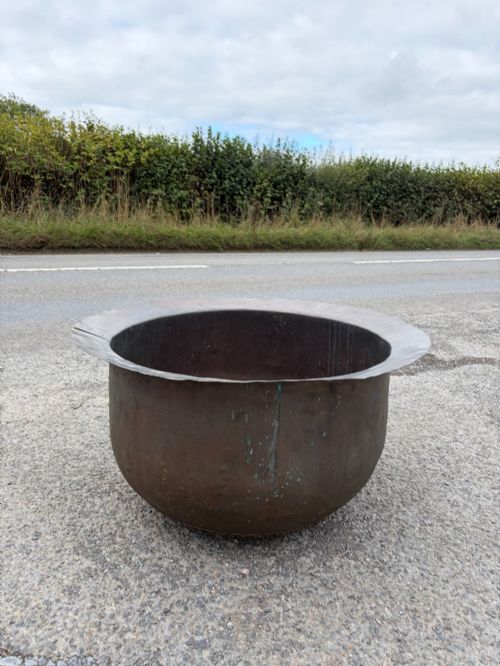
- A wide, shallow vessel utilised in dairies to allow cream to rise to the surface of milk. Georgian and Victorian examples display expansive circular rims.
- Log Bin
- A heavy container repurposed from agricultural or industrial copper vessels to hold firewood. They double as large garden planters.
Metal Wash Copper: Frequently Asked Questions
How were copper vessels used originally?
These large vessels served practical industrial and domestic purposes such as boiling wash, heating water, setting cream, and cooking over open flames in substantial farmhouses.
Over time, many of these robust items transitioned from active utility into decorative garden planters and indoor log bins.
How do I care for verdigris surfaces?
The green verdigris surface forms through natural oxidation and protects the underlying metal from further environmental degradation.
Most owners prefer to leave this natural patina untouched, avoiding harsh polishes that strip away the historic character.
Are these pots watertight?
While originally designed to hold liquids during boiling and washing processes, centuries of use can alter their structural integrity.
It is advisable to test individual vessels before using them to hold standing water indoors.
How do I date a copper pot?
Dating relies heavily on construction methods, noting the transition from hand-hammered seams to machine rolling, alongside handle attachments and maker stamps.
Nineteenth-century examples frequently exhibit heavy hand-riveted plates and wrought iron furniture.