






Metal Walking Cane Holder
A metal walking cane holder organises hallway clutter with utilitarian purpose, bringing sturdy nineteenth-century discipline to umbrellas and walking sticks.
Metal Walking Cane Holder
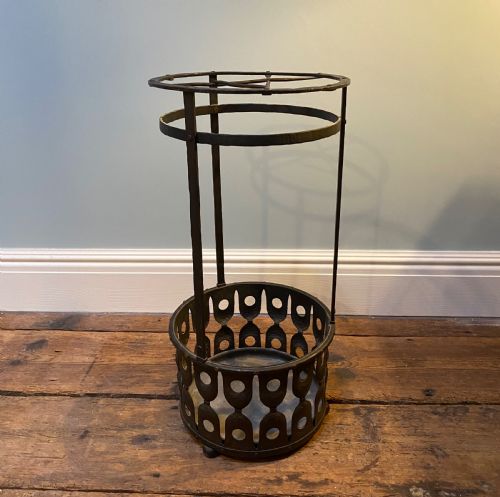
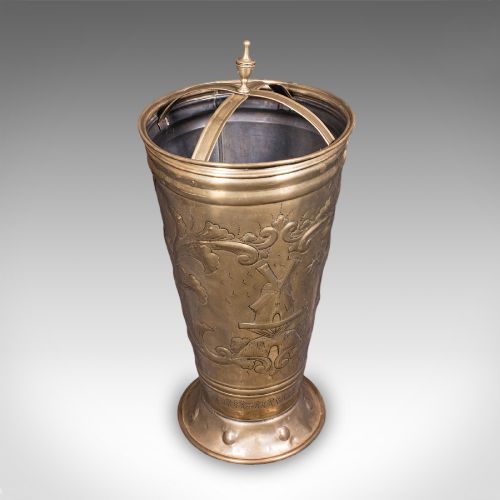
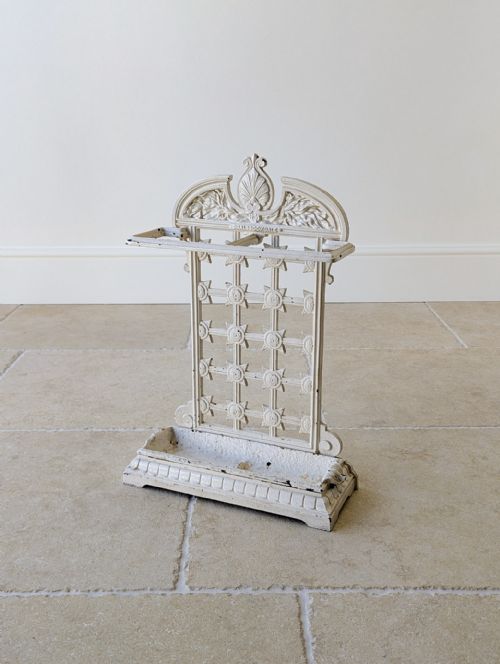
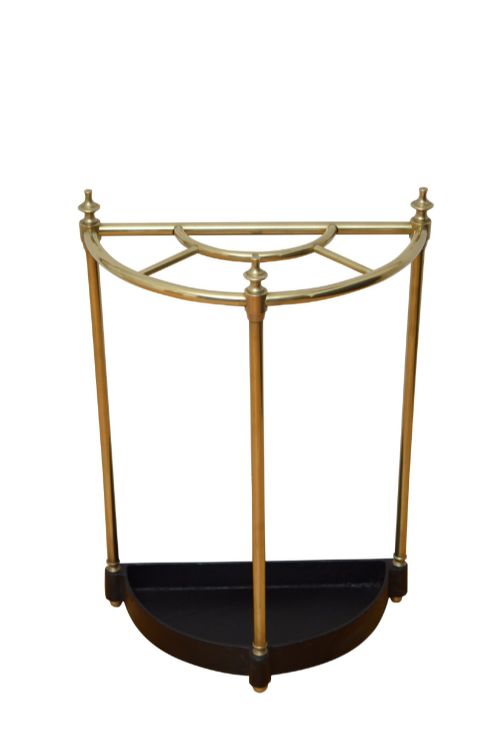
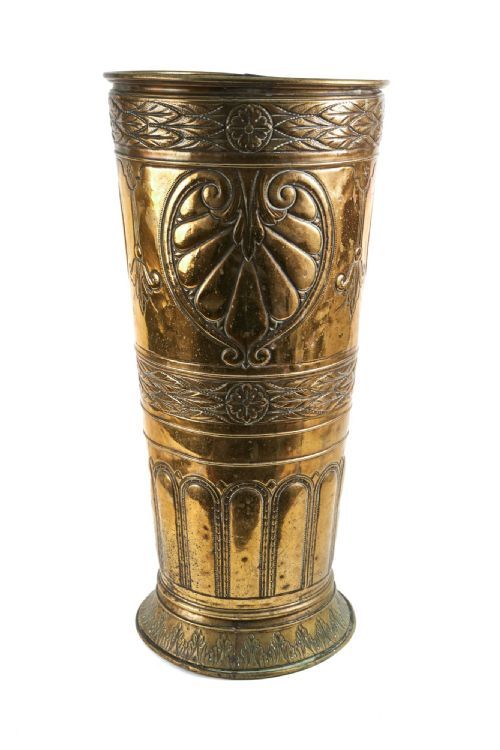
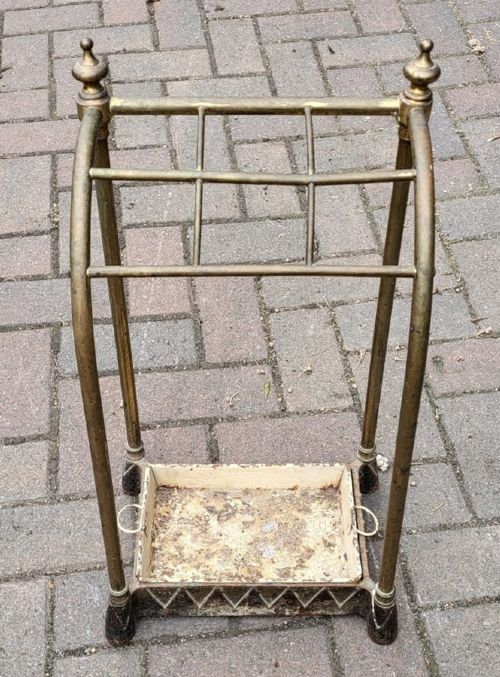
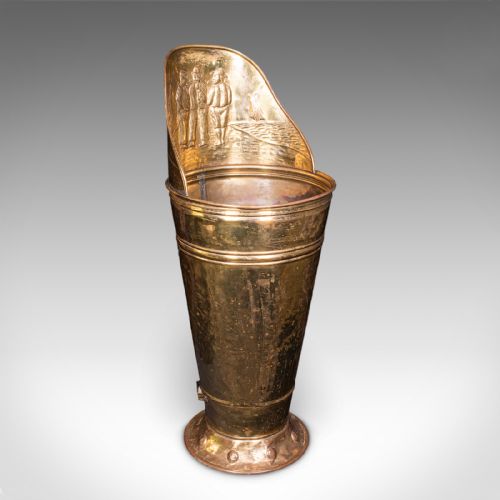
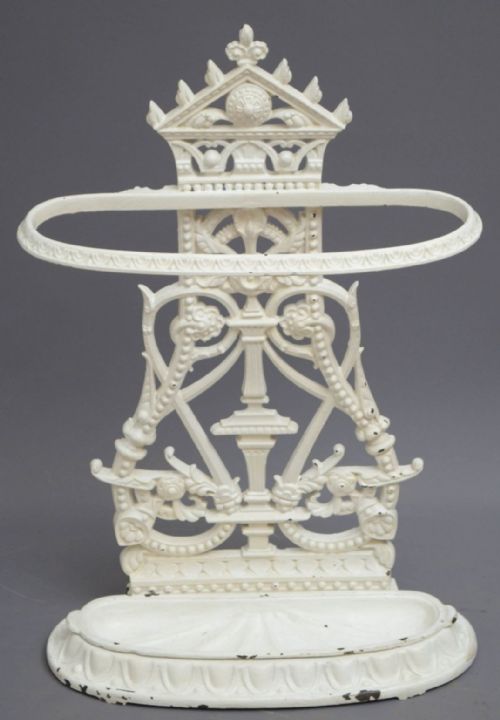
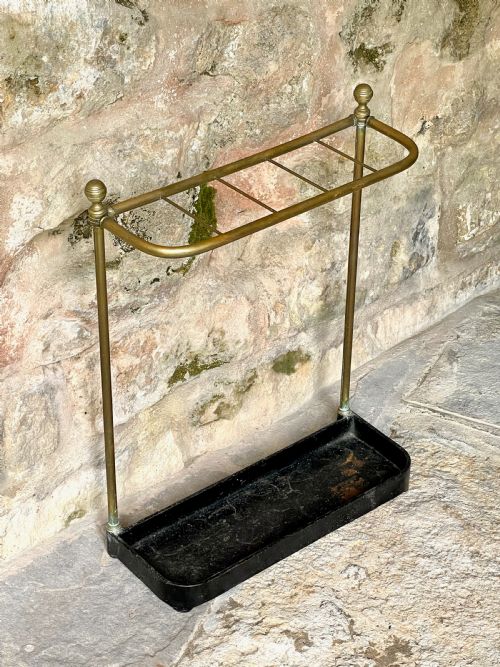
A metal walking cane holder provides a designated hallway vessel for walking sticks, canes and umbrellas, keeping entrance halls orderly. The selection centres heavily upon nineteenth-century and Edwardian examples, spanning Victorian and Arts and Crafts movements.
How they were made
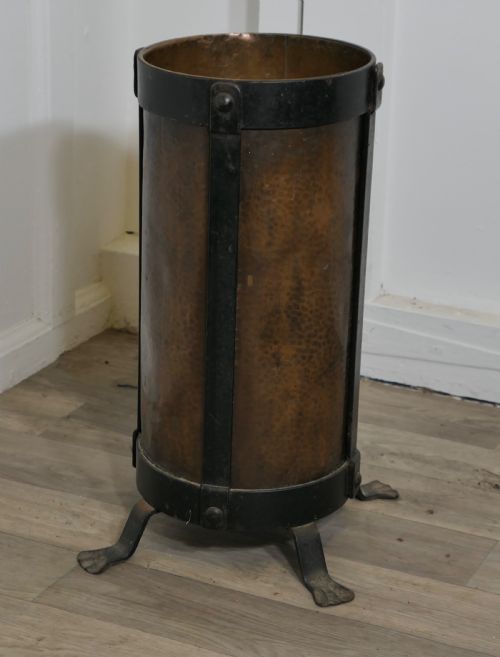
Foundry casting shapes the heavy iron and brass components into pierced panels, faux bamboo framing and gothic motifs. Smiths and founders utilise cast iron for structural weight and stability, pairing it with sheet copper and brass for bodies and retaining bands.
Wooden elements occasionally integrate with the metalwork, utilising oak and walnut barrels bound in iron or copper hoops. Original zinc and metal drip trays sit at the base, protecting floors from moisture.
Metal Walking Cane Holder Retail Price Guide 2026
Typical asking prices for metal walking cane holder among the pieces listed under this phrase on Sellingantiques today, from the lower quarter to the upper quarter. They describe what is for sale here now, not the wider market.
Materials span cast iron, brass, copper and oak, frequently paired with zinc drip trays and divided frames.
What varies in quality
Design ambition distinguishes standard utilitarian hall furniture from pieces bearing distinct stylistic movements such as Aesthetic Movement or Christopher Dresser influences. Pierced metalwork, crisp casting detail and integrated divider divisions elevate certain items above plain functional vessels.
The survival of original components, particularly matching drip trays and structural hardware, determines the integrity of each holder. Scale also creates distinction, ranging from compact demi-lune hall pieces to large country house pairs.
Coalbrookdale·Falkirk Ironworks
The Metal Walking Cane Holder Glossary
- Demi-lune
- A half-moon shape designed to sit flush against hallway walls. This profile saves floor space while accommodating multiple walking sticks.
- Drip tray
- A removable metal basin positioned at the base of the stand. It catches water dripping from wet umbrellas to protect flooring.
- Cast iron
- An iron-carbon alloy poured into moulds to create rigid decorative frames. It provides the heavy ballast necessary to prevent tipping.
- Faux bamboo
- A decorative turning technique mimicking natural bamboo stalks. Victorian makers applied this style to brass and iron frames.
Metal Walking Cane Holder: Frequently Asked Questions
Where should a stick stand go?
These holders belong in entrance halls, boot rooms and porches where outdoor gear accumulates. Their slim profiles, particularly demi-lune and corner shapes, allow them to sit tight against walls.
Placing the stand near the primary entrance ensures wet umbrellas and walking sticks are stowed immediately upon entering the house.
How do I protect my floors?
Most antique holders incorporate original metal or zinc drip trays resting inside the base. These removable pans catch rainwater and prevent moisture from reaching wooden floorboards.
Buyers should verify that the internal tray remains present to maintain the functional integrity of the piece.
Can these hold heavy canes?
Cast iron and iron-bound wooden barrels provide substantial weight and structural rigidity. These materials easily support heavy timber walking canes and large country house umbrellas without tipping.
Smaller brass designs suit lighter walking sticks and parasols.
How do I identify a Victorian stand?
Victorian examples often feature cast iron frames with pierced patterns, gothic decoration or faux bamboo detailing. The materials reflect nineteenth-century foundry techniques using brass, copper and cast iron.
Design motifs align with Aesthetic Movement tastes or utilitarian country house styles from the period.