



Metal Top Table
A metal top table brings a hard, cool surface and lasting strength into a room, combining utility with decorative presence.
Metal Top Table
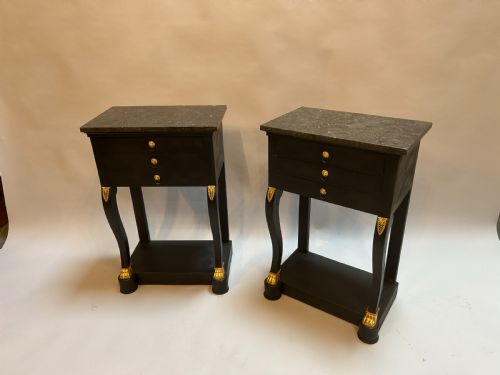
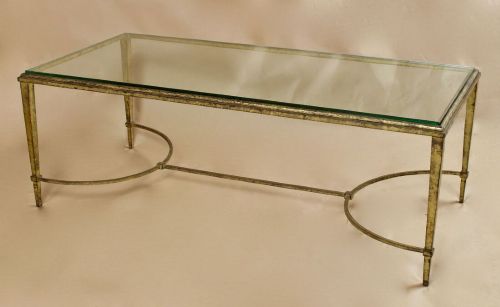
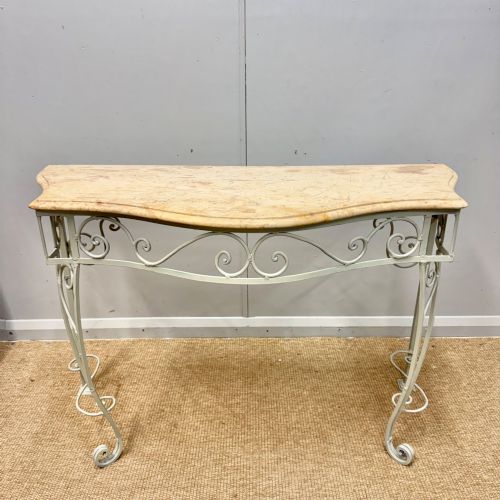
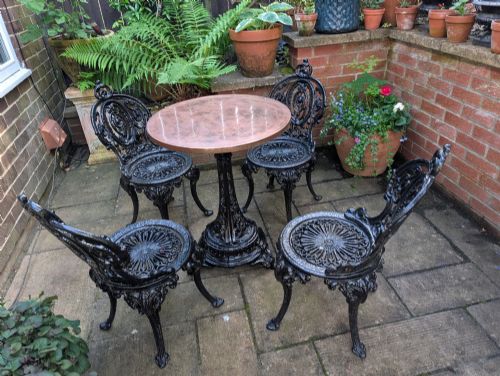
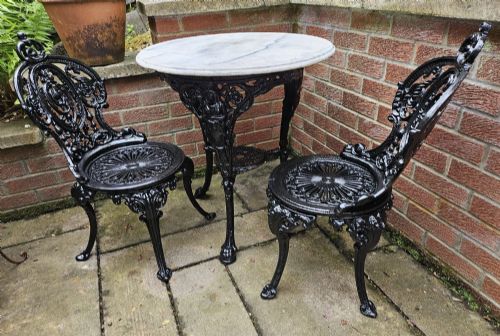
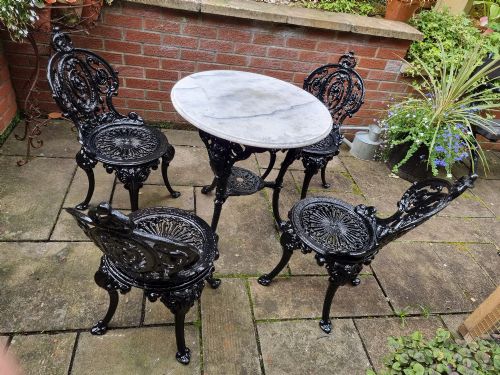
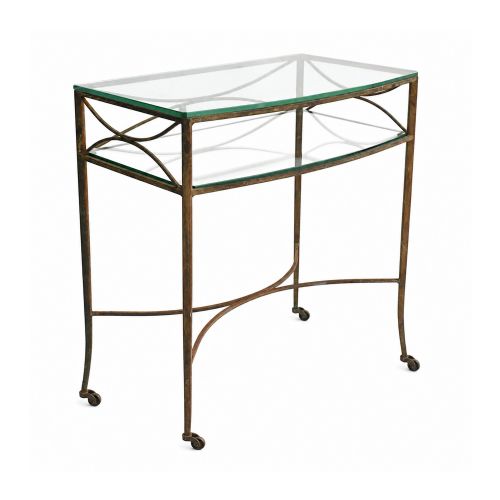
A metal top table encompasses a wide variety of forms designed for domestic and garden use, ranging from compact side pieces to grand dining sets. When you search for a metal top table, you encounter diverse domestic items including coffee tables, console tables, occasional tables, and garden dining sets.
The selections span numerous periods and aesthetics, with significant representation from the nineteenth century, the Victorian era, and the nineteen-twenties and nineteen-thirties. You will frequently find pieces executed in French Country, Art Deco, Industrial, and Neoclassical styles.
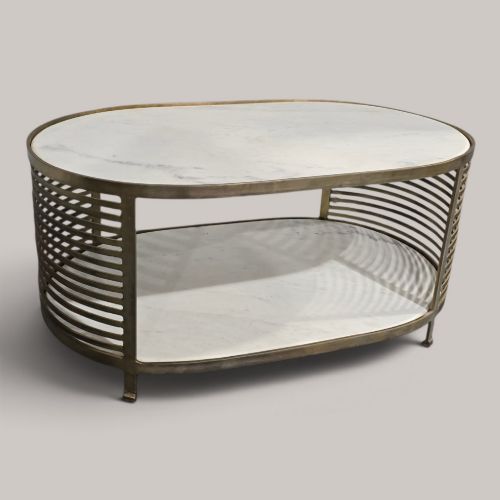
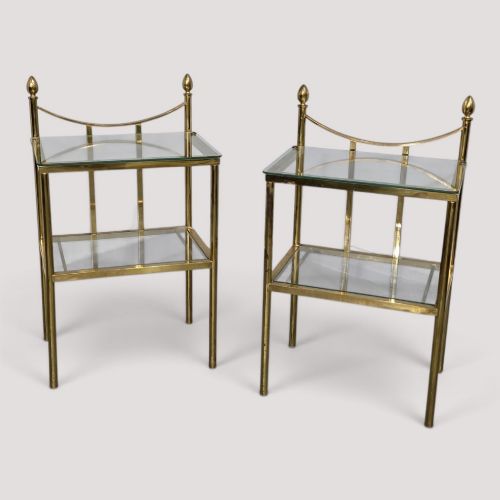
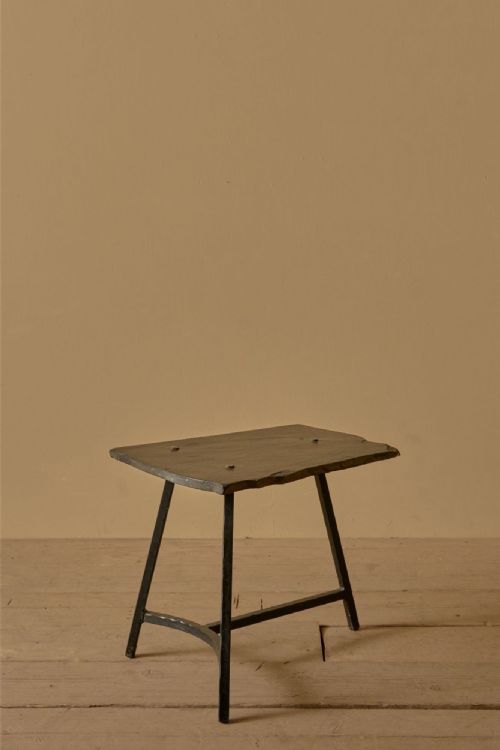
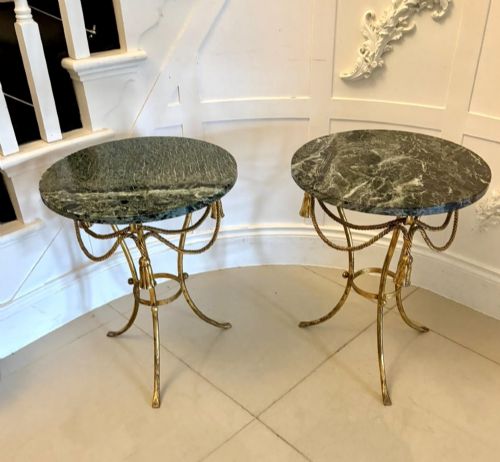
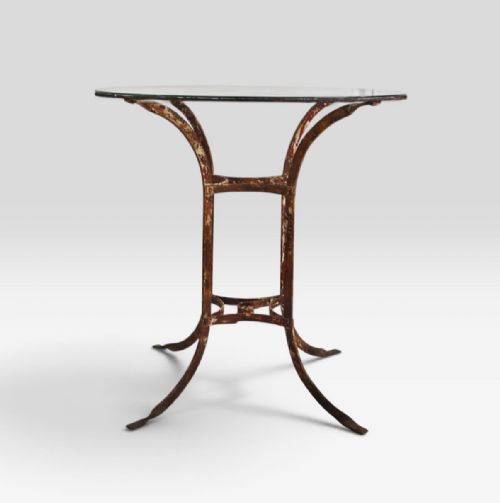
Surfaces combine metals with contrasting materials like marble, slate, glass, and wood, while supporting structures utilise cast iron, wrought iron, brass, and gilt metal. Forms range from small lamp tables and plant stands to robust bistro sets and refectory tables.
Materials and construction methods
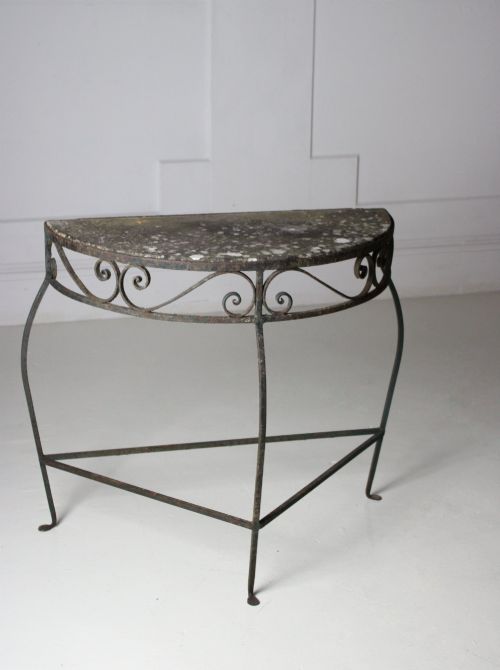
The construction relies heavily on durable metals such as cast iron and wrought iron for frames and bases, often paired with heavy stone surfaces like marble and slate. Artisans combined these structural elements with decorative brass, copper, or gilt metal.
Surface treatments and ornamentation include engraving, gilding, and specialised finishes on both the metal frames and the inset tops. Joinery and casting techniques from the nineteenth and early twentieth centuries ensure structural longevity and distinct tactile qualities.
Metal Top Table Retail Price Guide 2026
Typical asking prices for metal top table among the pieces listed under this phrase on Sellingantiques today, from the lower quarter to the upper quarter. They describe what is for sale here now, not the wider market.
Listings feature items spanning the nineteenth century through 1940, incorporating materials like brass, marble, wrought iron, and gilt metal.
Evaluating craftsmanship and materials
Quality rests upon the integrity of the materials and the precision of the metalwork, distinguishing heavy, solid castings and finely forged iron from lighter, simpler structures. The selection of inset surfaces, such as high-grade verde marble or thick slate, elevates a piece significantly.
Finer examples display careful attention to decorative detail, such as engraved patterns, refined ormolu mounts, and harmonious proportions between the metal base and the top. The weight of the metal and the stability of the overall construction signal superior workshop standards.
Archibald Knox·Maison Ramsay
The Metal Top Table Glossary
- Guéridon
- A small round table on a central pillar, frequently topped with marble and popular in French interior design. These pieces often serve as decorative side or occasional tables.
- Ormolu
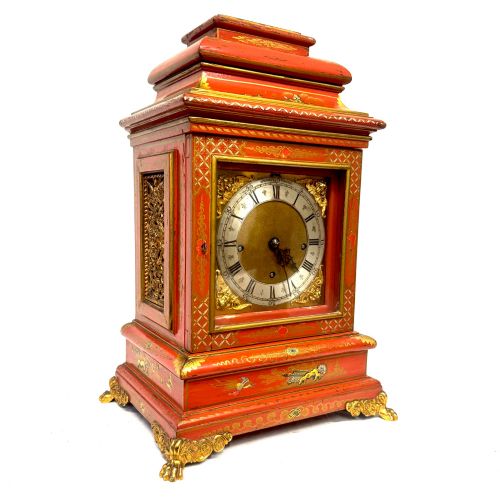
- Gilded bronze or brass applied as decorative mounts on furniture. This technique adds bright metallic accents to wooden or iron frameworks.
- Bistro set
- A small table accompanied by matching chairs, designed for casual dining indoors or in gardens. They frequently feature cast iron bases and marble or metal tops.
- Console table
- A table designed to be fixed against a wall, often supported by brackets or decorative legs. These pieces frequently feature marble or stone tops paired with wrought iron frames.
Metal Top Table: Frequently Asked Questions
What periods do these tables come from?
The pieces span the nineteenth century through the mid-twentieth century, including Victorian, Edwardian, and Art Deco eras.
Designs reflect the shifting aesthetics of these decades, from ornate cast iron garden furniture to sleek chrome and brass modernist pieces.
How are marble tops secured to metal bases?
Heavy stone tops typically rest directly within a fitted metal frame or gallery designed to hold their weight securely.
Their sheer mass usually keeps them in place without the need for complex adhesives or mechanical fasteners.
Can these tables be used outdoors?
Many cast iron and wrought iron designs are built specifically for garden and conservatory use.
Weathered finishes and robust metal frames allow them to withstand outdoor environments when properly maintained.
What styles are most common?
French Country, Industrial, Art Deco, and Neoclassical styles dominate the available selections.
These aesthetics range from utilitarian iron stands to gilded, ornate tables suited for formal reception rooms.