




Metal Tobacco Tin
These metal tobacco tin pieces span brass, copper, pewter, and painted tin across several centuries of functional smoke gear.
Metal Tobacco Tin
A metal tobacco tin covers pocket snuff boxes, shop storage jars, and hinged tobacco boxes made from the eighteenth century through the art deco era. Buyers inspecting these listings encounter brass and copper pocket containers, painted tin boxes, and heavy pewter pieces.
The selections include Georgian, Victorian, and Edwardian examples alongside continental forms like eighteenth-century Dutch and German boxes, French industrial shop jars, and oriental silver plate items. Pocket snuff boxes engraved with personal names or trades sit alongside larger counter storage jars.
Most pieces date from the nineteenth century or the early twentieth century, utilising sheet metal, brass, and painted surfaces to protect leaf and powder. Collectors find both utilitarian workshop containers and decorative presentation pieces spanning several distinct periods.
How they were made
Metal tobacco tin items rely on sheet metal fabrication, utilising brass, copper, pewter, and tinplate shaped through folding, soldering, and hinged construction. Makers cut and joined plates to create durable pocket and counter receptacles designed for daily handling.
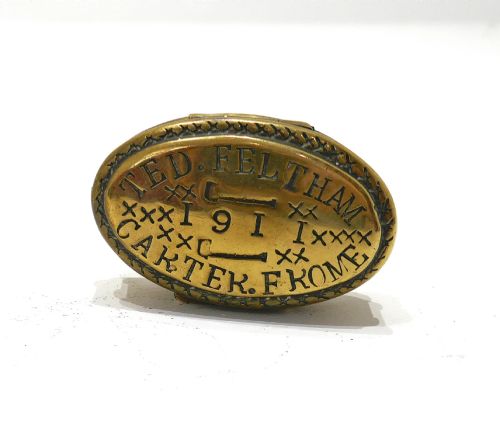
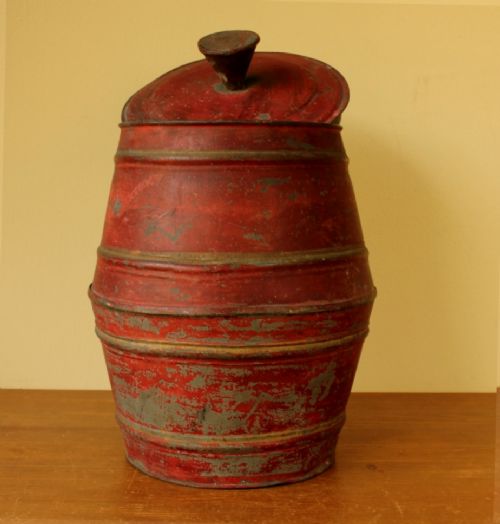
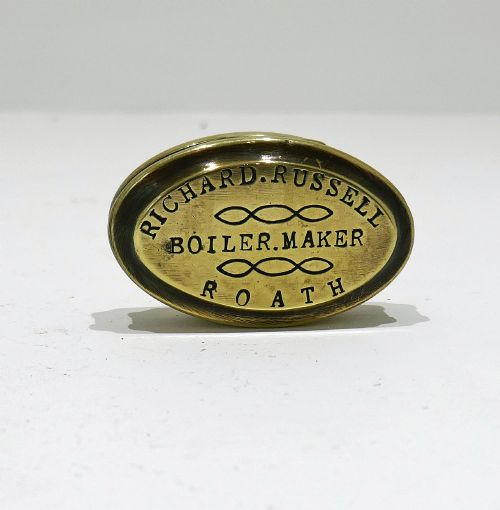
Surface ornamentation involves hand engraving, surface painting, and tole ware techniques applied to tin and base metals. Artisans incised names, dates, and battle scenes directly onto brass lids, while others used paint and varnish on tin substrates.
One brass snuff box preserves the name Ted Feltham from 1911 alongside a boiler maker's working identity.
What varies in quality
The distinction between ordinary and superior metal tobacco tin pieces lies in the crispness of the hand engraving and the integrity of the original construction. Sharp, legible inscriptions bearing names, dates, or historical events elevate a piece above unmarked utility containers.
Material thickness and surface preservation also separate examples, where substantial brass plates or intact painted and tole ware surfaces retain their structural and visual character. Well-preserved hinges and tight-fitting lids indicate higher manufacturing standards.
The Metal Tobacco Tin Glossary
- Tole ware
- Painted or lacquered metalware, typically tin or sheet iron, decorated with hand-applied pigments and protective varnishes. This technique creates a colourful, decorative finish on storage boxes.
- Snuff box
- A small pocket container designed to hold ground tobacco for nasal ingestion, usually fitted with a tight hinged lid. These items often feature personalized engravings.
- Pewter
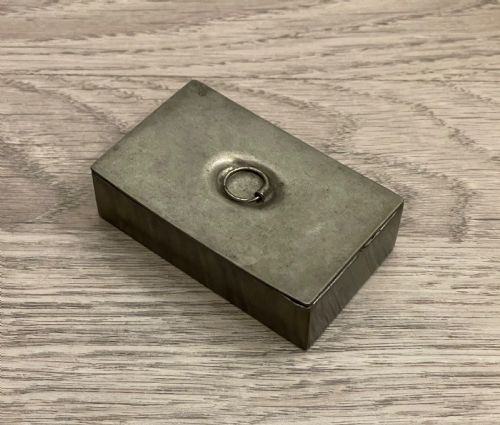
- A malleable metal alloy consisting primarily of tin, historically used for domestic vessels and pocket boxes. It offers a soft, dark grey patina over time.
- Snuff
- Finely ground tobacco powder popular for consumption across the eighteenth and nineteenth centuries. Special pocket containers kept the powder dry and accessible.
Metal Tobacco Tin: Frequently Asked Questions
How old is my metal tobacco tin?
Dating relies on stylistic clues, materials, and any engraved names or dates found on the brass or tin surface. Eighteenth-century continental boxes often display distinct regional shapes, while nineteenth-century pieces show Victorian or Georgian manufacturing methods.
Makers frequently inscribed personal details or historical events directly onto the metal, providing a clear point of reference for the period of manufacture.
What is the difference between a snuff box and a tobacco box?
Snuff boxes are generally smaller pocket containers designed to hold dry powdered tobacco, whereas tobacco boxes are larger receptacles intended for pipe tobacco leaf or plug. Pocket snuff boxes often feature close-fitting hinged lids to preserve powder.
Tobacco boxes range from pocket versions to larger shop storage jars used on counters by tobacconists.
How do I care for antique metal boxes?
Preserving these pieces involves keeping them in stable, dry conditions away from moisture to prevent active corrosion on iron and tinplate surfaces. Gentle dusting maintains the finish without stripping historical patinas.
Avoid abrasive cleaners on brass, copper, and painted tole ware surfaces to protect the original engraving and paintwork.
Were these tins used for advertising?
Many shop storage jars and containers served commercial purposes in nineteenth-century tobacconist and tabac shops. These larger jars identified product origins like Semois on store counters.
Pocket boxes were typically personal items rather than commercial packaging, often engraved with the owner's name or trade.