


Metal Tea Server
These metal tea server pieces range from Georgian silver plate to Victorian copper, built to anchor a formal interior.
Metal Tea Server
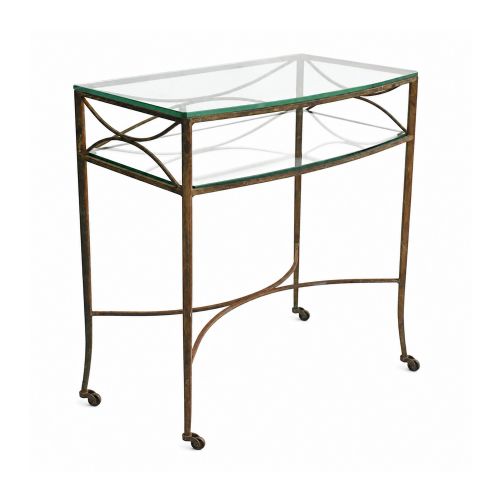
A metal tea server covers a broad utilitarian category spanning Georgian urns to industrial console tables, reflecting utilitarian British and continental design. You encounter samovars, coffee urns, trays, and occasional furniture in the current selection.
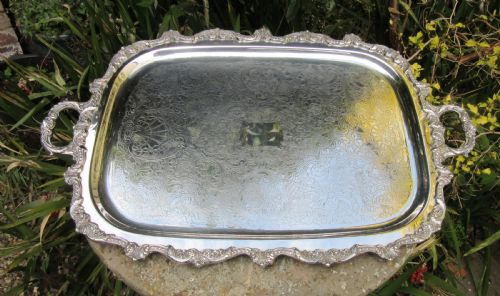
The dominant forms are heavy copper samovars and silver plated urns from the Victorian and Georgian eras, designed for large scale hospitality. Smaller items like brass and copper trays appear alongside occasional cast-iron furniture.
Origins stretch from eighteenth century workshops to early twentieth century industrial iterations, mixing domestic dining room metalwork with heavy serving pieces.
How they were made
Construction relies heavily on hand-beaten copper, heavy cast iron, and early silver plating techniques such as Old Sheffield Plate over a base metal. Makers utilised robust joints, riveted handles, and fitted spigots designed for daily service.
Materials span silver plate, copper, brass, nickel silver, cast iron, and glass inserts, often paired with wooden handles to insulate against heat.
Materials span copper, silver plate, brass, and cast iron, crossing Georgian, Victorian, and industrial styles.
What varies in quality
Quality rests in the weight of the metal gauge, the crispness of applied cast mounts, and the preservation of original plating rather than surface shine. Heavier copper walls and intact spigot assemblies distinguish finer examples from standard utility pieces.
The integrity of maker marks and the subtlety of hand-finished chasing on surfaces separate high workshop output from mass production.
Boardman Glossop And Co
The Metal Tea Server Glossary
- Samovar
- A heated metal container traditionally used to boil and heat water for tea, often featuring an internal vertical metal pipe.
- Old Sheffield Plate
- A composite material formed by fusing a sheet of silver to a thicker copper base, common in eighteenth century manufacturing.
- Silver Plate
- A thin layer of silver applied over a base metal such as copper or nickel silver to provide the appearance of solid silver.
- Coffee Urn
- A large vessel designed for brewing and dispensing coffee at communal gatherings, typically fitted with a tap at the base.
Metal Tea Server: Frequently Asked Questions
What is a metal tea server?
A metal tea server encompasses vessels and trays like samovars and urns built to heat or present hot water and beverages.
These objects served as central fixtures in domestic hospitality during the eighteenth and nineteenth centuries.
How do you use a samovar?
A samovar holds water heated by an internal metal tube, maintaining high temperatures for prolonged tea service.
Water is dispensed directly from a small tap at the base into waiting cups.
Are these pieces made of solid silver?
Most pieces utilise silver plate over copper or nickel silver rather than solid precious metal.
This method provided the visual weight and finish of silver at a more accessible cost for larger serving vessels.
How do I date a copper samovar?
Dating relies on manufacturing techniques, handle construction styles, and the form of the base supports.
Victorian pieces often display heavier cast mounts, while earlier eighteenth century examples show simpler hand-beaten construction.