




Metal Strapped Chest
These metal strapped chest pieces are robust storage trunks built with iron or brass bindings, offering dependable utility alongside distinct period character.
Metal Strapped Chest
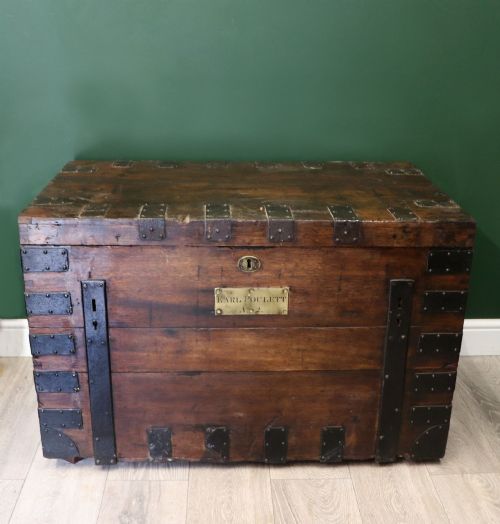
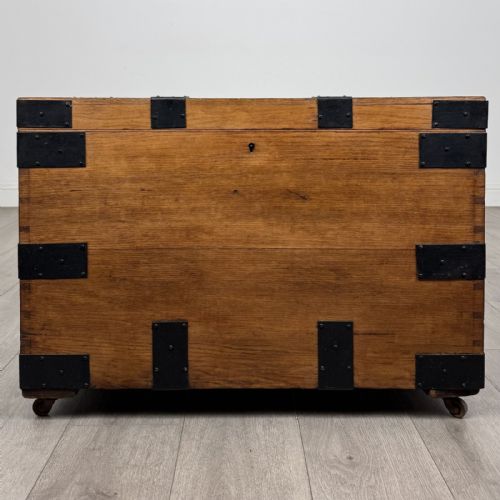
A metal strapped chest provides heavy-duty storage, appearing across this page in various regional styles from the sixteenth century onwards. Buyers find sturdy domestic boxes alongside larger travel trunks and specialised silver chests.
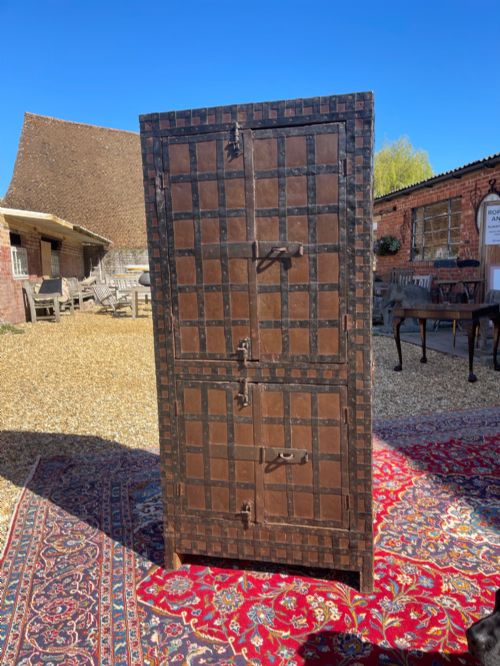
The most frequent examples on this page are nineteenth century oak or pine storage trunks secured with iron bands. These pieces span English domestic forms, Scandinavian dome top coffers, and Indian damchiya dowry chests.
Domestic blanket boxes sit alongside travel trunks and dowry chests, showing how structural iron or brass straps served both security and reinforcement. The selection covers diverse folk traditions, from rustic country pine to German Renaissance design.
How they were made
Carpenters constructed these bodies predominantly from oak and pine, occasionally utilising teak or other regional woods. Planks joined tightly to form heavy storage containers designed for movement or secure domestic use.
Blacksmiths and metalworkers added structural reinforcement via iron or brass straps, bands, and hinges. These metal elements fastened the wooden corners and lids, often secured with elaborate locks.
Metal Strapped Chest Retail Price Guide 2026
Typical asking prices for metal strapped chest among the pieces listed under this phrase on Sellingantiques today, from the lower quarter to the upper quarter. They describe what is for sale here now, not the wider market.
The listings here span eight periods, reaching back to the 16th Century through Victorian domestic boxes and 20th Century Indian trunks.
What varies in quality
The sophistication of the ironwork and the selection of timber set different tiers of quality apart. Heavy forged straps integrated neatly into dense oak signify superior workshop standards compared to basic pine construction.
Integrity of the original metal hardware, locks, and handles dictates the distinction between ordinary utility boxes and exceptional survival pieces. Complete straps and working mechanisms elevate the standing of any trunk.
The Metal Strapped Chest Glossary
- Dome top
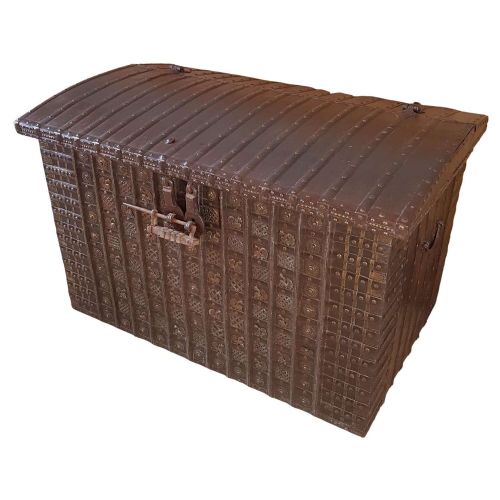
- A rounded lid profile designed to shed water during travel and increase internal storage capacity. This shape frequently appears on sixteenth century Nuremberg caskets and eighteenth century Scandinavian coffers.
- Silver chest
- A heavy timber box lined to protect domestic silver tableware, typically fitted with iron carrying handles. These pieces often date from the nineteenth century in solid oak.
- Damchiya
- A traditional Indian dowry chest featuring structural wooden framing and iron banding. These regional trunks served practical storage functions within households.
- Coffer
- A secure chest traditionally used for storing valuables, documents, or textiles. Early examples display substantial iron strapwork for enhanced security.
Metal Strapped Chest: Frequently Asked Questions
What were metal strapped chests used for?
These chests served primarily for secure transport and storage of valuable goods, household linens, and personal possessions. Silver chests protected heavy tableware, while dowry chests held domestic assets.
Travel trunks endured rigorous transit by ship and carriage. Their robust construction kept contents safe from dampness and rough handling.
How do I date a metal strapped chest?
Dating relies on timber species, construction joints, lock mechanisms, and regional stylistic traits. Sixteenth century pieces display distinct Nuremberg metalwork, whereas eighteenth century Scandinavian boxes show specific folk painting.
Nineteenth century silver chests typically feature machine-rolled iron bands on solid oak bodies. Comparing the hand-forged quality of the straps provides further chronological clues.
Are these chests suitable for modern living?
They provide substantial hidden storage for blankets, bulky items, or household clutter while serving as functional coffee tables or bench seating. Their robust build suits heavy daily use.
Placement requires attention to room humidity, particularly for antique pine and oak. Regular waxing maintains the dry timber and dark iron surfaces.
How do regional styles differ?
English examples on this page favour utilitarian oak silver chests with sturdy iron bindings. Scandinavian pieces frequently present painted pine surfaces with dome tops and folk art motifs.
Indian trunks display dense iron strapwork combined with intricate woodwork typical of regional damchiya storage forms. German pieces showcase precise Renaissance metalwork.