






Metal Storage Bin
A metal storage bin brings utility and character to a room, storing fuel or waste while holding a rich tactile presence.
Metal Storage Bin
A metal storage bin serves primarily as a utilitarian vessel, adapting over time from kitchen and fireside duty into a decorative focal point. When searching for a metal storage bin, buyers typically encounter pieces originating from the nineteenth and early twentieth centuries, including Victorian, Edwardian, and Arts and Crafts examples.
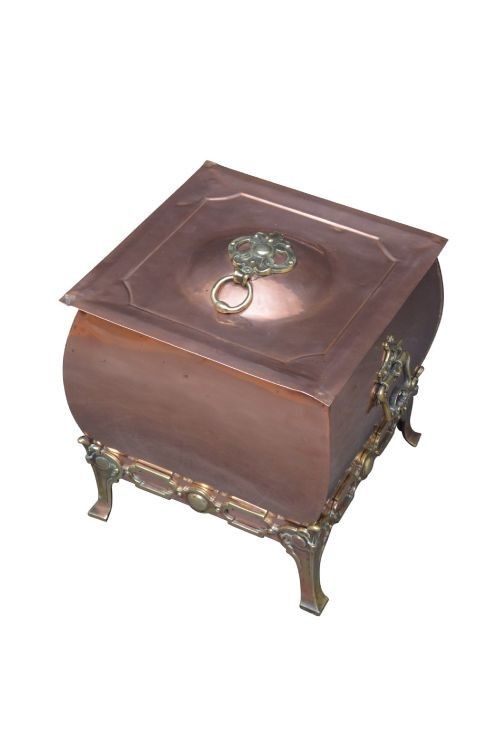
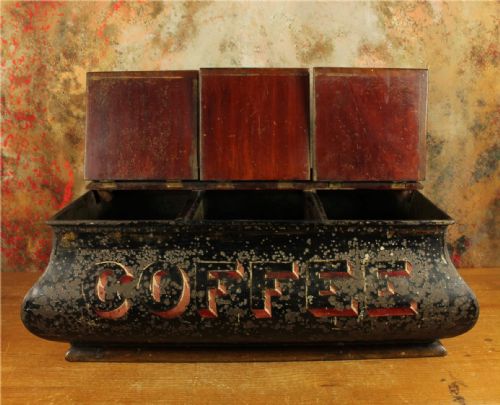
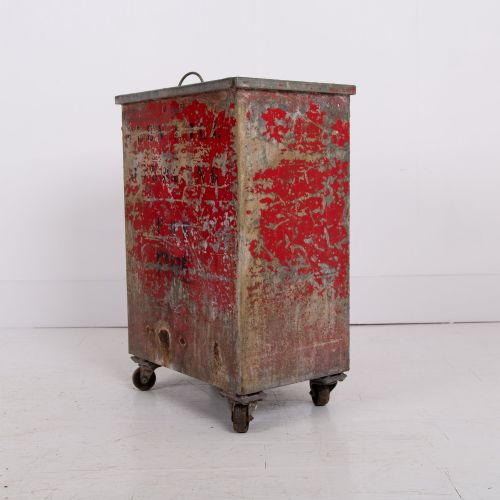
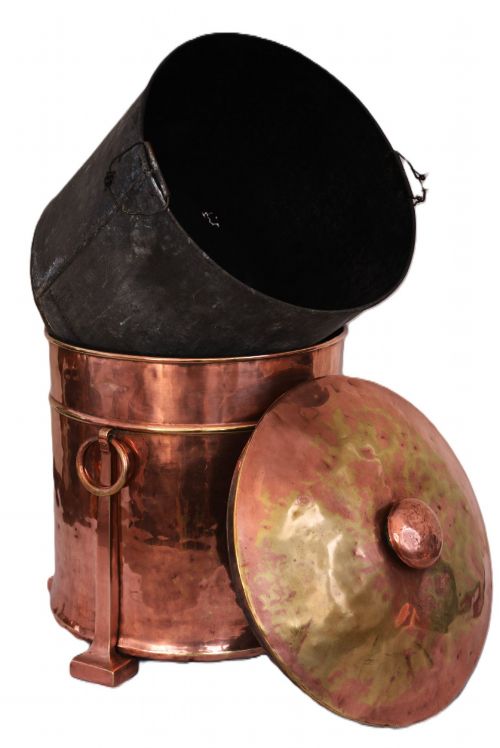
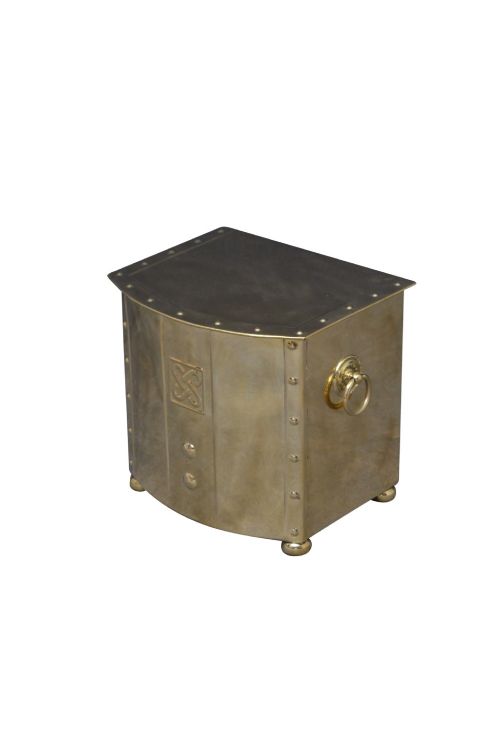
The forms vary widely across the inventory, encompassing log bins, coal buckets, toleware flour bins, planters, and laundry storage boxes. Many items bridge domestic utility and decorative craft, shifting easily from holding firewood beside a hearth to housing plants in a hallway or garden.
How They Were Made
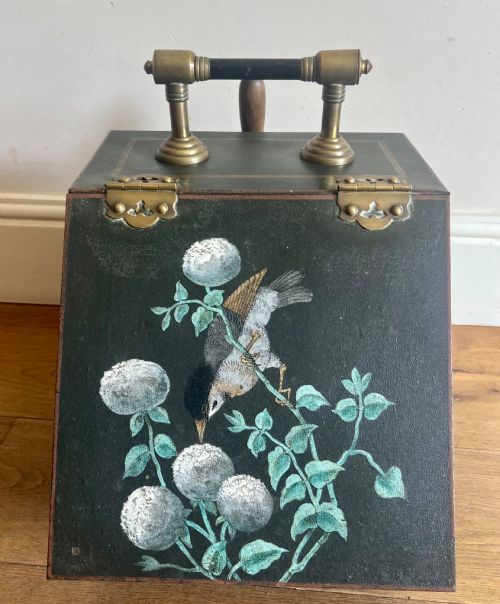
Makers utilised durable metals such as copper, brass, wrought iron, and galvanised sheet iron, often hammering or riveting the sheets by hand. Wood and toleware also appear, combining painted tin or coopered oak with metal bands and drop handles.
Details include original iron frames, wheeled bases for heavy loads, and hand-painted folk art decoration on toleware surfaces. Construction methods prioritized longevity, resulting in sturdy bodies designed to withstand daily fireside and kitchen use.
Metal Storage Bin Retail Price Guide 2026
Typical asking prices for metal storage bin among the pieces listed under this phrase on Sellingantiques today, from the lower quarter to the upper quarter. They describe what is for sale here now, not the wider market.
A nineteenth-century kitchen maid now rests easy, her heavy toleware bucket repurposed for holding kindling by the modern hearth.
What Varies in Quality
The distinction between standard utility items and finer pieces lies in the weight of the metal and the subtlety of hand-applied decoration, such as hammered surfaces or folk art painting. Maker involvement, evidenced by blacksmith construction or specific mill provenance, elevates the standing of an individual piece.
Proportion and material integrity also dictate worth; pieces retaining original iron frames, handles, and uncompromised patination sit at the upper end of the scale compared to heavily restored or modernised examples.
Richard Arkwright Masson Mills
The Metal Storage Bin Glossary
- Toleware
- Lacquered or painted metalware, usually tin or sheet iron, decorated with floral motifs or japanning. This technique protected the metal while adding colour to domestic spaces.
- Log bin
- A deep container designed to hold firewood near a hearth. These vessels often incorporate brass or copper bodies with sturdy drop handles for carrying heavy loads.
- Planter
- A vessel used to hold potted plants or shrubs, frequently sharing forms with coal buckets and garden tubs. Metal examples tolerate moisture well.
- Coal scuttle
- A bucket or box engineered specifically for transporting and storing coal for a fireplace. Many feature a sloping front or specialised shovel compartments.
- Folk art
- Utilitarian objects embellished with traditional, often regional decorative painting or embellishment by self-taught makers. Examples include bargeware painted boxes.
Metal Storage Bin: Frequently Asked Questions
What were metal storage bins used for originally?
These bins primarily served practical domestic functions, holding coal for fires, storing flour in kitchens, or containing laundry and waste. Households relied on them for daily chores involving heavy fuel or provisions.
Over decades, their sturdy construction and appealing patinated surfaces allowed them to transition into decorative storage and planters within country houses and urban homes alike.
How do I clean a copper or brass bin?
Maintenance depends on the preferred finish, as some owners prefer a dark, aged patina while others polish the metal to a bright shine. Gentle washing with warm soapy water removes dust and grime without harming the surface.
Avoid abrasive cleaners that strip away historical character and wear marks accumulated over a century of use.
Can I use an antique metal bin outdoors?
Certain galvanised iron and copper bins tolerate outdoor environments well, making them suitable for garden planters or log stores. Toleware and painted tin pieces, however, suffer outdoors and require indoor placement to prevent rust.
Checking the specific metal and protective coating helps determine whether a piece handles moisture and temperature shifts.
How do I date a Victorian metal bin?
Dating relies on stylistic markers, construction techniques, and materials characteristic of the nineteenth century. Details like hand-beaten hammering, dovetail joints, and specific brass mountings align with Victorian and Edwardian manufacturing methods.
Comparing the form and decorative motifs against documented domestic objects from the same decade narrows down the origin.