








Metal Signage
Metal signage brings together painted metal, cast iron and vitreous enamel pieces from Victorian, Edwardian and mid-century contexts to serve functional and decorative interiors.
Metal Signage
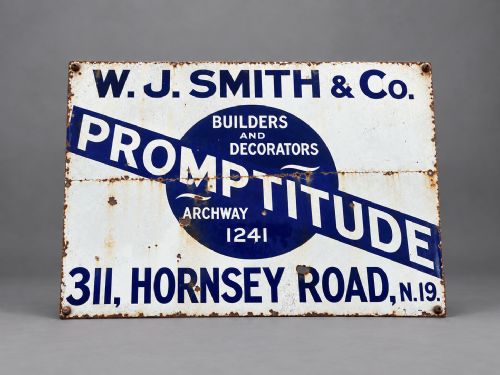
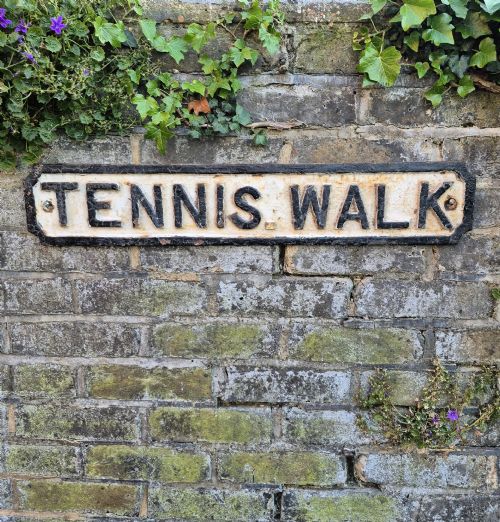
Metal signage encompasses advertising signs, street signs, trade signs and pub signs originating from the Victorian era through to the mid-20th century. These pieces record commercial, municipal and domestic history through surviving painted, enamelled and cast surfaces.
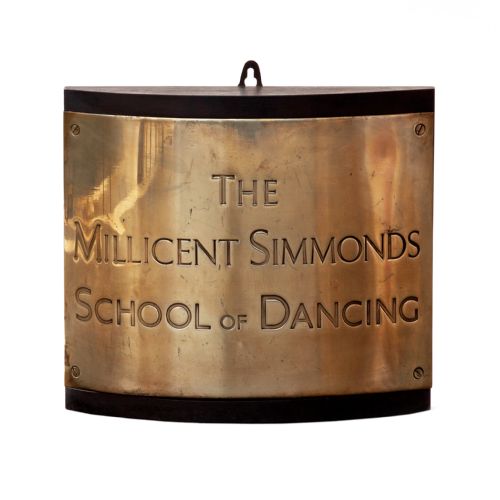
The selections available here lean heavily toward early 20th century industrial examples, alongside Victorian railway and trade markers. Wall signs, hanging pub signs and curved brass exterior plates dominate the forms encountered.
How they were made
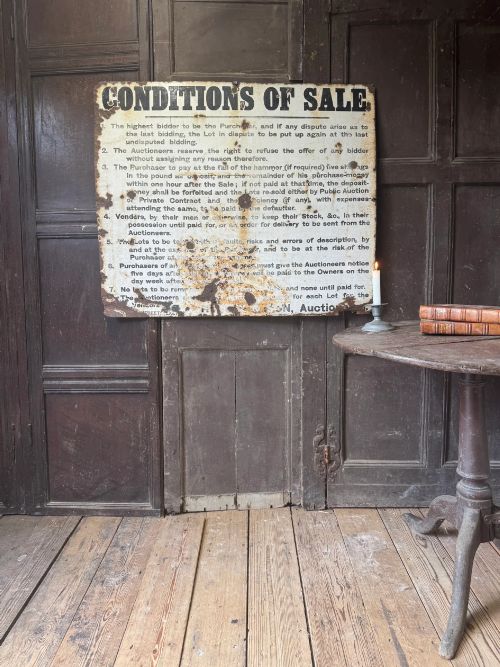
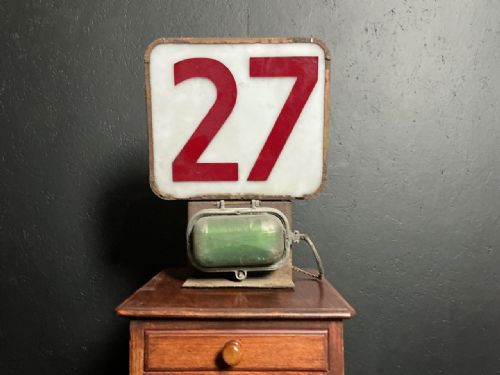
Makers utilised vitreous enamel fused to sheet metal to produce durable advertising and railway markers that resisted weathering. Paint on iron or sheet metal served for trade signs, auction notices and street names.
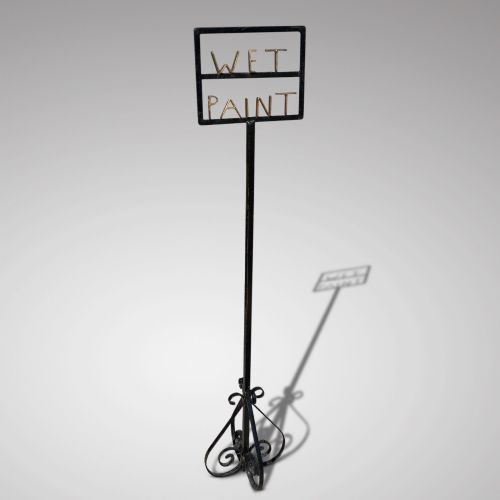
Cast iron provided the heavy structure for trade and pub signs, whilst brass was shaped for exterior plates. Wrought iron gave support to hanging brackets and specialist notices.
Metal Signage Retail Price Guide 2026
Typical asking prices for metal signage among the pieces listed under this phrase on Sellingantiques today, from the lower quarter to the upper quarter. They describe what is for sale here now, not the wider market.
Fish auction bidders need their numbered metal discs just as much as horses need bell name plates.
What varies in quality
Quality rests in the legibility of the typography, the depth of the casting and the preservation of the original painted or enamelled surface. Crisp lettering and intact vitreous enamel distinguish higher grades of production.
The clarity of lettering on trade signs and auction notices indicates the care taken by the signwriter or manufacturer. Original mounting brackets and unaltered surfaces retain greater integrity than heavily restored examples.
The Metal Signage Glossary
- Vitreous enamel
- A glass coating fused to metal under high heat to create a glossy, hardwearing surface. This technique protected signs from rust and fading.
- Trade sign
- A board or plate hung outside a shop or business to indicate the trade carried out within. These pieces often feature specific iconography or lettering related to the profession.
- Cast iron
- Iron poured into a mould to create rigid forms with raised lettering or decoration. It provides weight and durability for exterior use.
- Sheet metal
- Thin flat metal rolled for commercial use, serving as the base for painted and enamelled advertising signs. It allows for lightweight wall mounting.
- Pub sign
- A hanging board identifying an inn or public house, traditionally mounted on iron brackets. These signs often combine pictorial elements with painted lettering.
Metal Signage: Frequently Asked Questions
How do I hang a heavy cast iron sign?
Heavy cast iron trade and pub signs require secure wall fixings into masonry or structural timber to bear the weight safely. Using original mounting brackets helps distribute the load evenly.
Ensure the support matches the span of the sign to prevent strain on the metalwork over time.
Can enamel signs be cleaned safely?
Vitreous enamel surfaces tolerate gentle washing with warm water and mild soap to remove accumulated surface dirt. Avoid abrasive scourers or harsh chemicals that dull the glossy finish.
Dry the metal thoroughly after cleaning, particularly around exposed edges where rust might form.
What is a tin tabernacle sign?
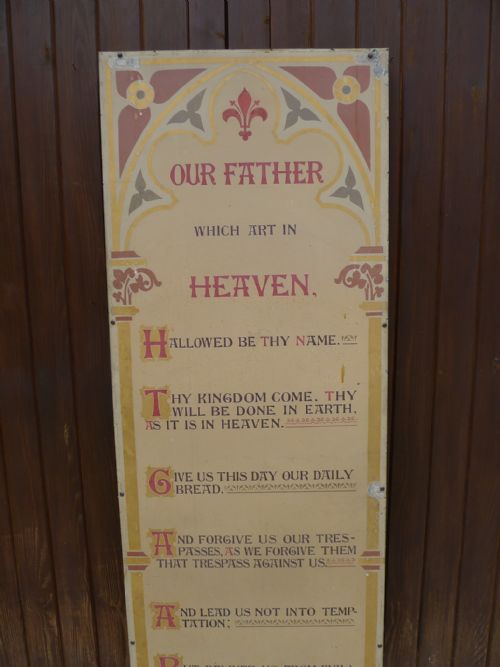
Tin tabernacles were prefabricated corrugated iron churches constructed during the Victorian period for growing parishes. Signs from these buildings, such as religious texts, served interior devotional purposes.
These pieces reflect the utilitarian architecture and rapid construction methods of the late 19th century.
How do I date a painted metal sign?
Dating relies upon the typography, the style of the lettering, and the material evidence recorded on the piece. Victorian and Edwardian examples often show distinct serif letterforms and hand-painted brushwork.
Comparative study with railway, auction and trade markers from the same decade helps narrow the period of origin.