




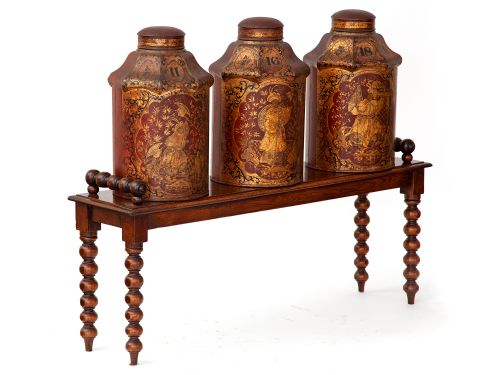


Metal Shop Display
Metal shop display pieces turn commercial utility into striking interior focal points that collectors prize for authenticity and robust form.
Metal Shop Display
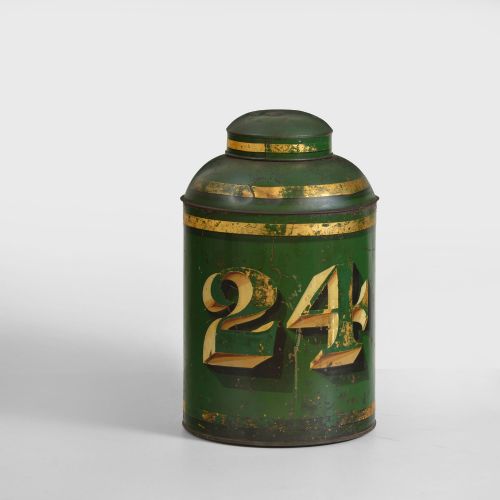
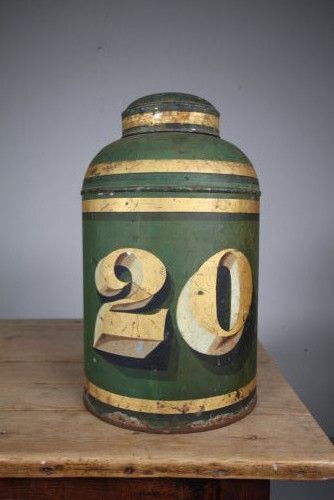
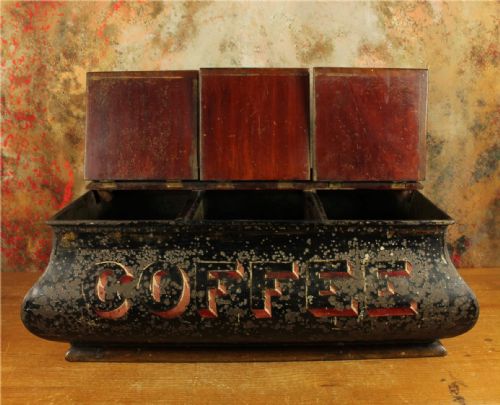
When you search for metal shop display, you encounter a diverse array of utilitarian items originally fashioned for trade, commerce and mercantile storage during the nineteenth and early twentieth centuries. These objects range from heavy iron trade signs and aluminium display counters to tinplate tea canisters and brass-accented cabinets designed for daily retail use.
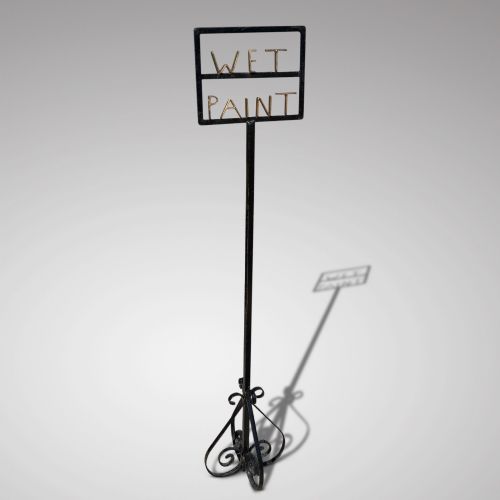
The versions most frequently met on this page include nineteenth-century toleware tea canisters, early twentieth-century painted trade signs, and 1930s aluminium or steel frames. Their survival reflects a transition from working shop floors into domestic settings where industrial character appeals to modern interiors.
Origins span Victorian workshops through to mid-century industrial premises, capturing the evolution of retail advertising and goods storage. Each piece carries the distinct imprint of commercial application, whether through painted signage or patinated metal surfaces.
Materials and construction
Manufacturing relied heavily on durable metals such as iron, brass, aluminium and tinplate, often combined with glass, wood and layered paint. Iron and steel provided structural integrity for frames and brackets, while softer metals like tinplate allowed for shaped canisters and storage boxes.
Surface finishes involved hand-applied paint, toleware lacquer, and patinated metalwork that endured decades of shop handling. Cabinet makers and metalworkers utilised riveting, welding and framing techniques suited to high-traffic retail environments.
Metal Shop Display Retail Price Guide 2026
Typical asking prices for metal shop display among the pieces listed under this phrase on Sellingantiques today, from the lower quarter to the upper quarter. They describe what is for sale here now, not the wider market.
Millinery mould fifteen waits quietly to remind us of the days when hats required dedicated aluminium geometry.
Factors of quality
Quality in these commercial pieces rests upon the integrity of the original signage, the clarity of painted lettering, and the preservation of authentic surface patination. Items retaining their untouched factory finish or original hand-painted details stand distinct from heavily restored or altered examples.
Construction robustness also dictates distinction, where solid cast iron, thick gauge aluminium, and well-preserved joinery demonstrate superior commercial craftsmanship. The balance between utilitarian strength and decorative proportion separates standard storage items from exceptional display pieces.
Josef Herzog·Wilmot·Trebor
The Metal Shop Display Glossary
- Toleware
- Lacquered or enamelled metalware, often decorated with hand-painted motifs or lettering. This technique frequently appears on nineteenth-century tea canisters and storage boxes.
- Trade sign
- A commercial board or hanging object used to advertise a shop, service or specific product. Examples in metal often feature raised lettering or painted graphics.
- Tinplate
- Thin sheet iron coated with tin to prevent rusting, widely used for commercial packaging and canisters. It provides a lightweight yet durable surface for decorative painting.
- Millinery mould
- A block or form used in hat-making, often shaped from aluminium or wood. These industrial tools double as sculptural display objects.
Metal Shop Display: Frequently Asked Questions
What defines metal shop display?
Metal shop display encompasses utilitarian objects, signage, and storage units created for nineteenth and early twentieth-century retail environments.
These items utilise industrial materials like iron, brass, aluminium, and tinplate to serve commercial functions before finding new roles in interior decoration.
How were trade signs used?
Trade signs hung outside or inside shops to identify specific merchants, goods, or brands for passing customers.
Their bold lettering and durable metal construction ensured they withstood outdoor weather and busy commercial streets.
How do I style these pieces?
These items integrate naturally into modern living spaces as focal shelving, kitchen storage, or wall decoration.
Their industrial patination and utilitarian history add architectural contrast to contemporary or traditional rooms.
How are periods identified?
Dating relies on material composition, manufacturing techniques, and stylistic markers such as Victorian ornamentation or Art Deco geometry.
Typography, painted finishes, and fastening methods further help place items within the nineteenth century or early twentieth century.