


Metal Shade Lamps
Metal shade lamps bring focused illumination and distinct period character to a room, spanning styles from Victorian brass to Art Deco machine age designs.
Metal Shade Lamps
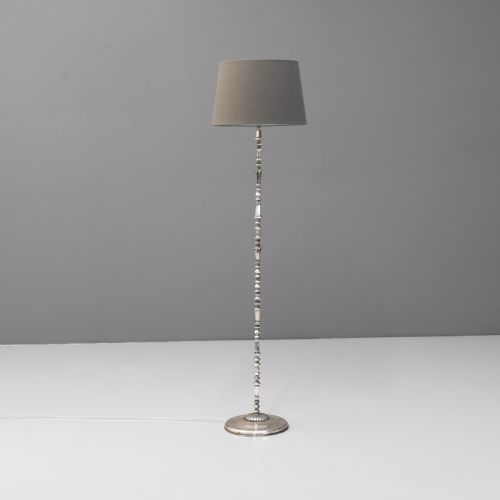
When you search for metal shade lamps, you encounter a diverse range of lighting fixtures spanning the nineteenth century through the nineteen-forties. These pieces encompass table lamps, desk lamps, floor lamps, pendants, chandeliers, and wall sconces produced across Britain, France, and America.
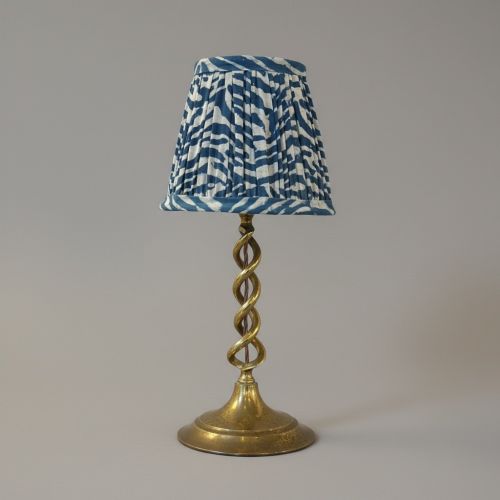
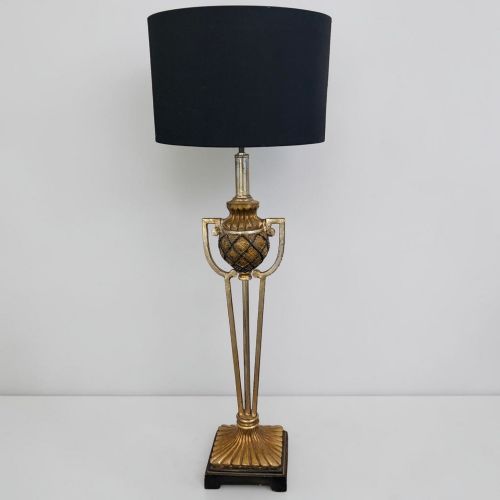
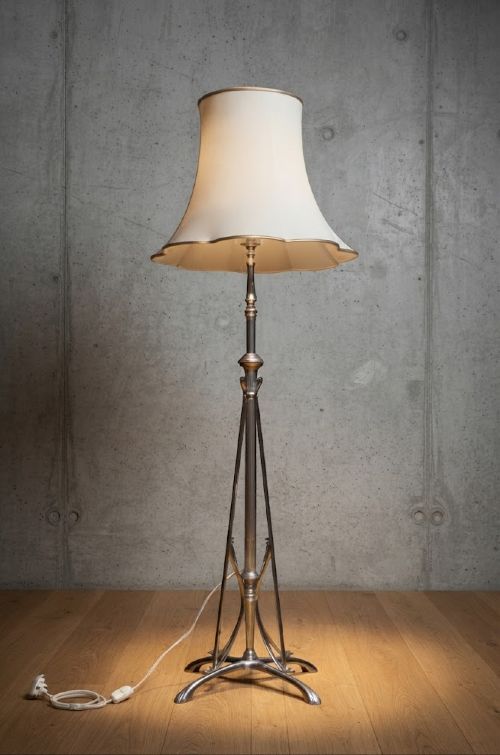
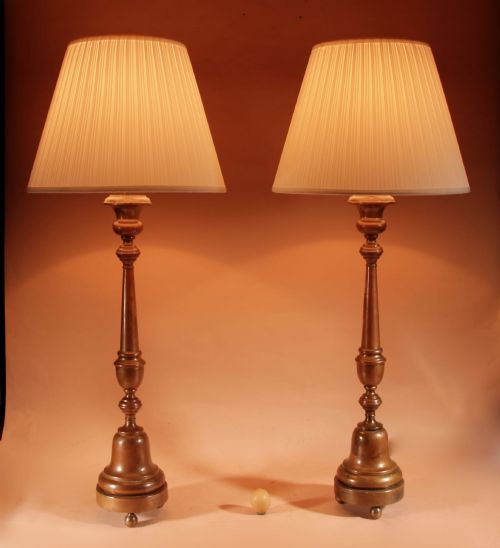
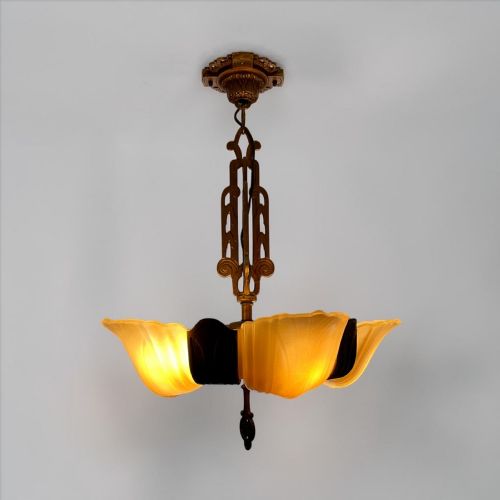
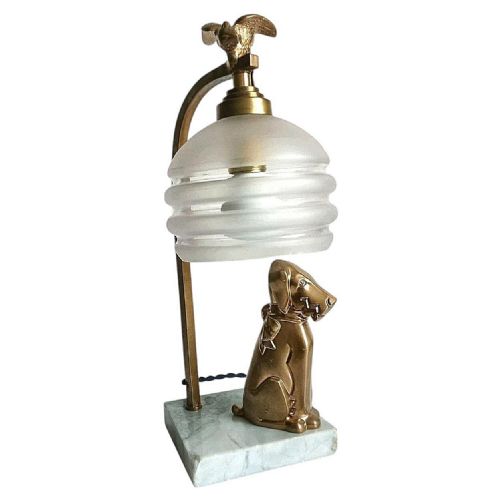
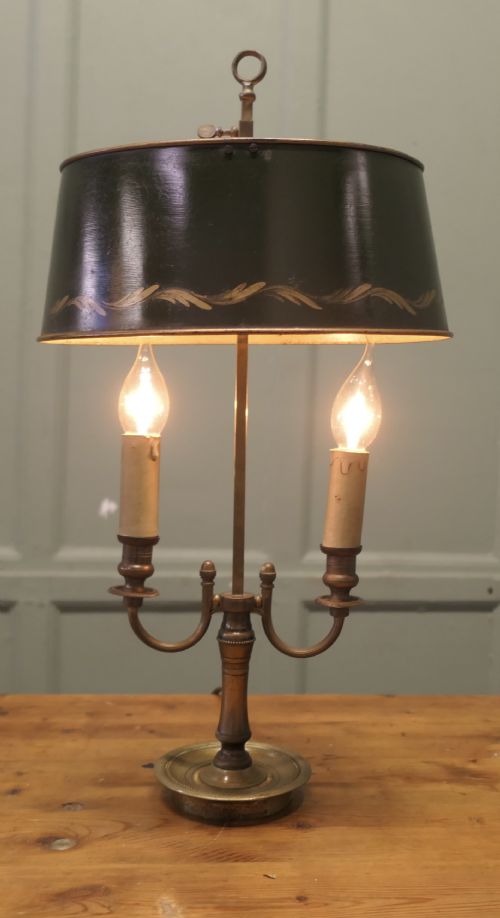
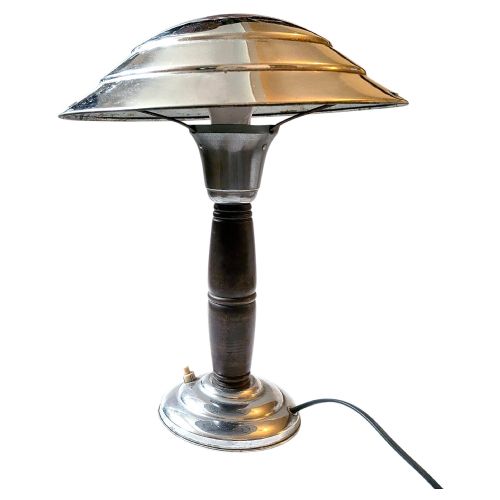
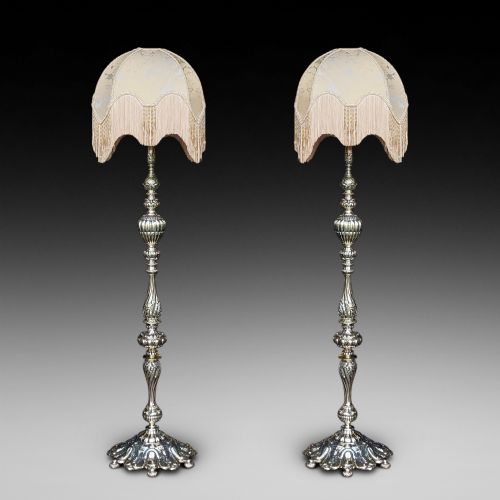
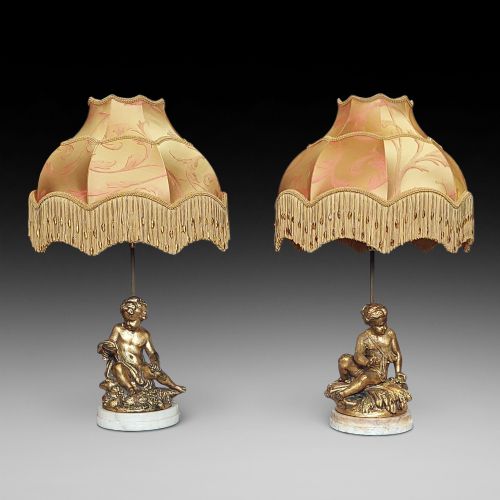
The selection on this page leans heavily toward twentieth-century production, notably Art Deco designs alongside earlier Victorian and Edwardian examples. You find standard lamps with adjustable arms, bouillotte desk lamps, and novelty table lamps featuring animal or figural motifs.
Makers and workshops utilised varied decorative idioms, incorporating French Louis Seize style, Arts and Crafts beaten copper, and Bauhaus influences. The forms range from simple brass reading lamps to elaborate chandeliers with glass prisms and metal shades.
Materials and Construction
Makers constructed these lamps using durable base metals such as brass, bronze, copper, wrought iron, nickel, and chrome. These metals were often patinated, gilded, or silver-plated to achieve specific surface finishes appropriate to the prevailing style of the period.
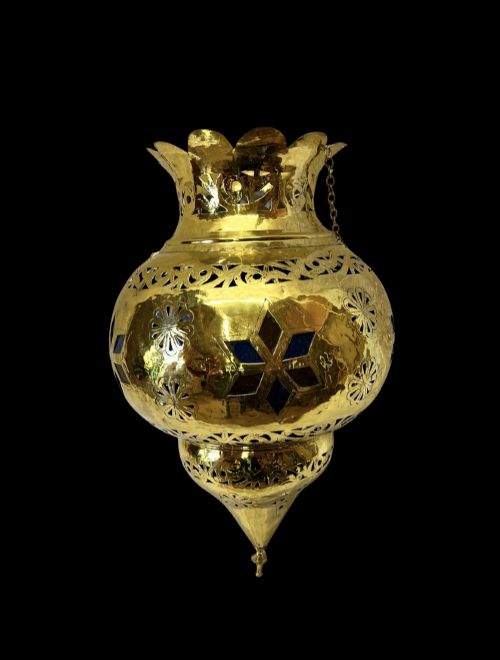
Shades and structural elements frequently combined metal with contrasting media, including glass, frosted glass, fabric, and painted toleware. Artisans employed techniques like piercing, bezel mounting, and spinning to shape the metal components and direct the light output.
Metal Shade Lamps Retail Price Guide 2026
Typical asking prices for metal shade lamps among the pieces listed under this phrase on Sellingantiques today, from the lower quarter to the upper quarter. They describe what is for sale here now, not the wider market.
Periods represented span the nineteenth century, Victorian era, Edwardian period, and twentieth-century decades up to nineteen-forty.
Factors of Quality
Quality in these fixtures rests on the weight of the metal used, the crispness of casting details, and the integrity of the original surface finish. Heavier gauge brass or bronze and well-executed patination distinguish finer examples from standard production.
The presence of identified maker or designer glass shades, alongside robust mechanical adjustments in standard and desk lamps, elevates a piece. Superior craftsmanship shows in the refined joinery of scroll arms and the careful mounting of decorative elements.
Charles Schneider·Muller Bros·The Charles Parker Company
The Metal Shade Lamps Glossary
- Toleware
- Painted and lacquered sheet metal items often utilised for lamp bodies and shades. This technique originated in eighteenth-century Europe to simulate Asian lacquerwork.
- Bouillotte lamp
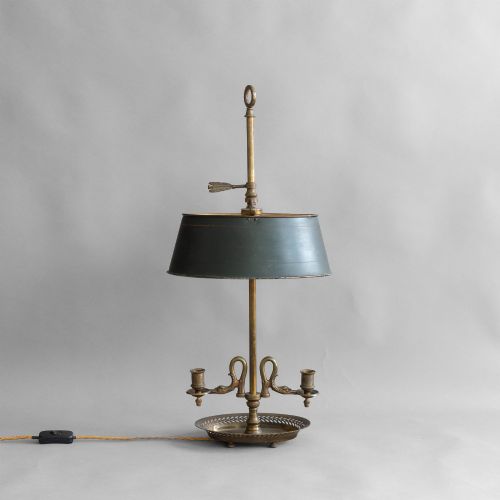
- A type of adjustable desk or table lamp featuring a central candle or bulb configuration beneath a metal shade. It derives its name from an eighteenth-century card game.
- Plafonnier
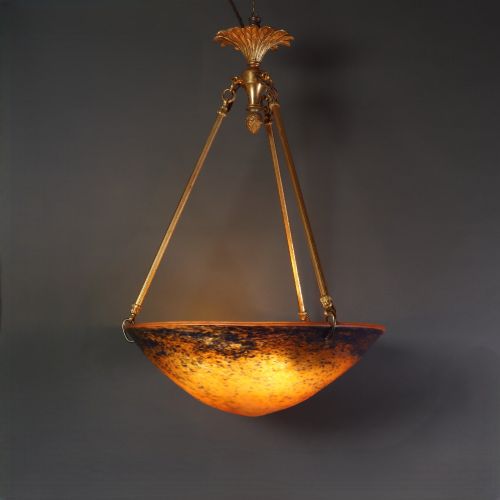
- A ceiling-mounted light fixture with a bowl-shaped shade sitting flush or close to the ceiling. These shades are frequently moulded in frosted or coloured glass.
- Spelter
- An alloy of zinc and lead used as a cheaper alternative to bronze for casting decorative figures and lamp bases. It was commonly painted or patinated to resemble bronze.
- Ormolu
- Gilded bronze produced by applying a mercury and gold amalgam to a bronze base and heating it. The term translates from French as milled gold.
Metal Shade Lamps: Frequently Asked Questions
What periods do these lamps cover?
The pieces span from the nineteenth century through the Victorian, Edwardian, and Art Deco eras up to the nineteen-forties. Earlier items reflect revival styles and Arts and Crafts principles, while later twentieth-century pieces embrace Machine Age and Bauhaus aesthetics.
This broad chronological spread means you find both ornate candle-converted lamps from the eighteen-hundreds and sleek nickel desk lamps from the nineteen-thirties.
Where were these lamps used historically?
Floor and standard lamps provided ambient illumination in sitting rooms, while desk and reading lamps served dedicated workspaces and libraries. Pendants and chandeliers hung in larger reception rooms or above billiard tables.
Adjustable standard lamps and bouillotte designs allowed users to direct light precisely where needed for reading or writing tasks.
How should I clean a vintage metal lamp?
Dust the surface regularly with a soft, dry cloth to prevent grime accumulation without disturbing the existing patina. Avoid abrasive cleaners or metal polishes on patinated or gilded surfaces, as these can strip the original finish.
For glass shades, remove them carefully and wash them in lukewarm soapy water, ensuring they are completely dry before reattachment.