





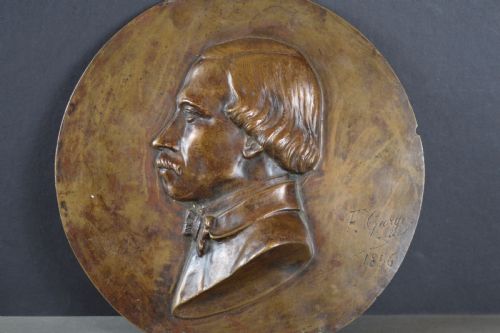
Metal Portrait Bust
A metal portrait bust brings the weight of history and the sculptor's eye straight onto your mantelpiece.
Metal Portrait Bust
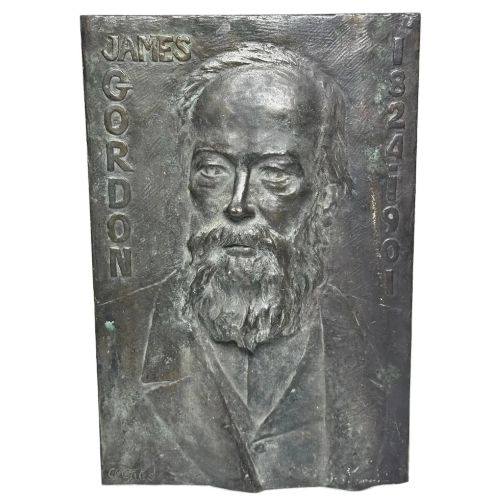
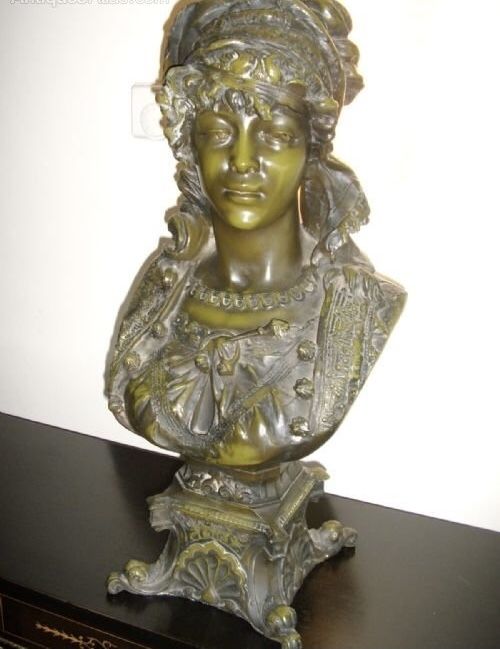
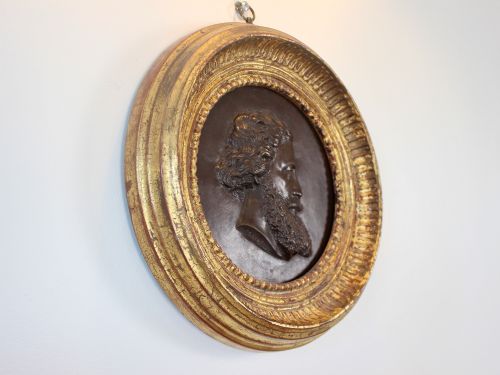
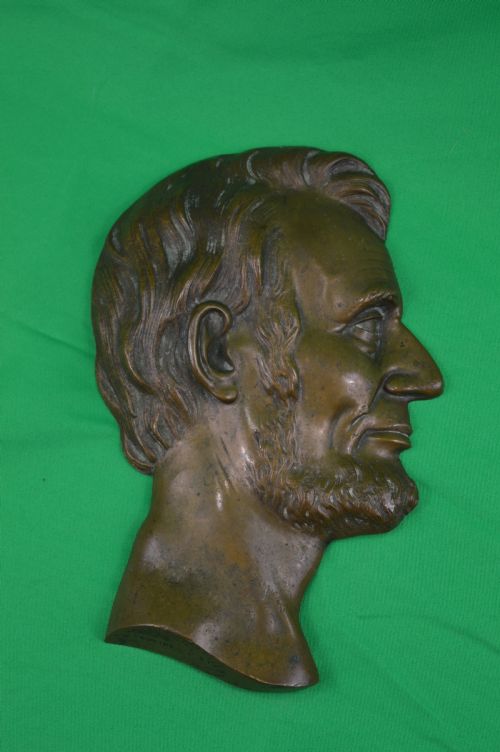
A metal portrait bust is a sculptural likeness in bronze, spelter, cast iron or gilt metal, capturing historical figures, literary icons or young women. These works range from substantial cabinet bronzes to wall plaques and bookends.
The version you are most likely to meet on this page is the nineteenth century French bronze or spelter study, often resting on a marble plinth and signed by the sculptor. They span eras from the Georgian period through the Edwardian years and into early twentieth century Art Nouveau.
Makers recorded in the evidence include Adolphe Jean Lavergne, Leonhard Posch, Georges Van Der Straeten, J Camus and Henry Wissen Senior. Their subjects stretch from Abraham Lincoln and William Shakespeare to Diana de Poitiers and French presidents.
Materials and construction
Foundries cast these pieces in bronze, spelter and cast iron, sometimes applying a dark patination or gilding to the surface. Spelter appears frequently in Art Nouveau examples, offering a lighter metal base that accepted fluid, decorative detailing.
Many sculptures incorporate contrasting materials, mounting metal figures onto Verdi green or black marble bases. Wood also appears in carved formats alongside cast metal forms.
Metal Portrait Bust Retail Price Guide 2026
Typical asking prices for metal portrait bust among the pieces listed under this phrase on Sellingantiques today, from the lower quarter to the upper quarter. They describe what is for sale here now, not the wider market.
William Shakespeare makes an appearance in both cast iron bookends and upon a black marble plinth.
Qualities of distinction
The depth of the patination and the density of the supporting stone plinth elevate a standard cast into a work of true presence. Weight and balance across the metal and marble components distinguish studio works from commercial productions.
Adolphe Jean Lavergne·Leonhard Posch·Georges Van Der Straeten·J Camus·Henry Wissen Senior
The Metal Portrait Bust Glossary
- Patinated bronze
- Bronze treated with chemical solutions to produce a specific surface colour, usually deep brown or black. This finish protects the metal and defines the contours of the portrait.
- Spelter
- A zinc alloy commonly utilised as a cheaper alternative to bronze for decorative sculptures and figures. It takes fine detail well but is softer than bronze.
- Relief plaque
- A wall-mounted sculptural panel where the portrait projects modestly from a flat background. These pieces often feature historical or military figures.
- Verdi green marble
- A mottled green decorative stone frequently employed for nineteenth century sculpture bases. It provides a striking contrast to dark patinated metal.
Metal Portrait Bust: Frequently Asked Questions
How do I clean a bronze portrait bust?
Dust the surface gently with a soft, dry brush to remove particles without disturbing the patina. Avoid all water, soaps or modern metal polishes which strip away historic finishes.
Apply a microcrystalline wax very sparingly if the metal appears dry, buffing it away completely with a clean cloth. Proper care preserves the subtle tones built up over decades.
Are spelter busts worth collecting?
Spelter offers an accessible entry point into figural sculpture, particularly within Art Nouveau and nineteenth century decorative pieces. These figures capture fluid lines and intricate hairstyles effectively.
While generally valued below solid bronze, a signed spelter bust on an original marble base holds genuine decorative and historic merit.
How can I tell bronze from spelter?
Bronze is heavier, denser and rings with a clear, resonant tone when tapped gently. Spelter feels lighter and softer, sometimes showing a greyish metal beneath chips in the finish.
Examining the underside often reveals the warmer golden hue of bronze or the duller grey of zinc alloy.
Where should I display a heavy cast iron bust?
Cast iron pieces require a sturdy surface such as a heavy sideboard, low bookcase or dedicated console table. Ensure the furniture can support the substantial weight of both iron and marble elements.
Keep pieces away from direct sunlight and damp atmospheres to maintain the integrity of the patination.