


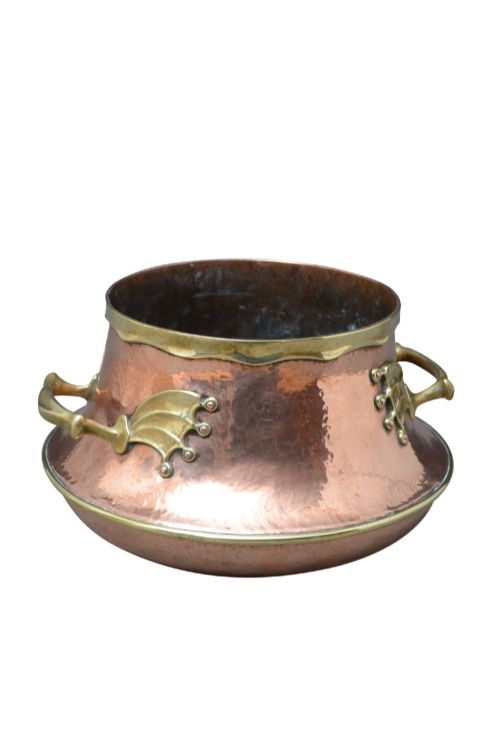
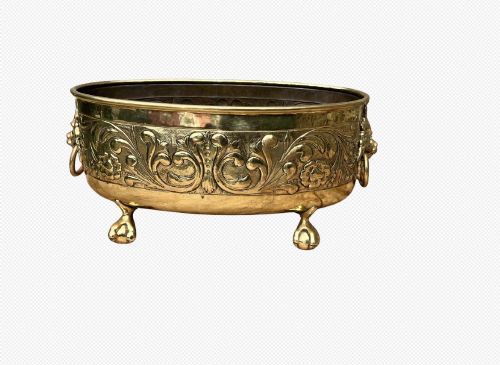
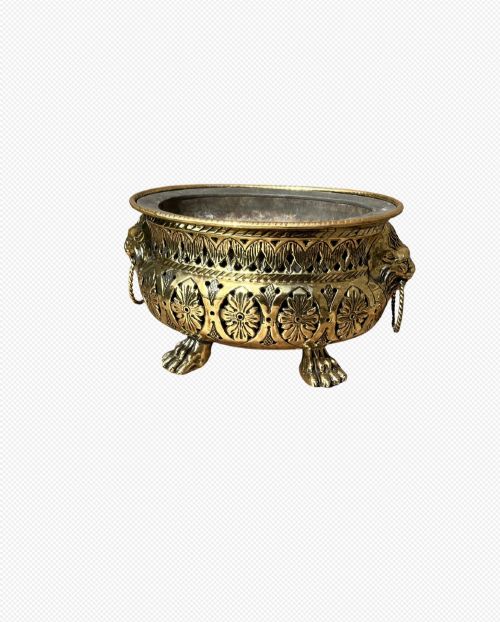
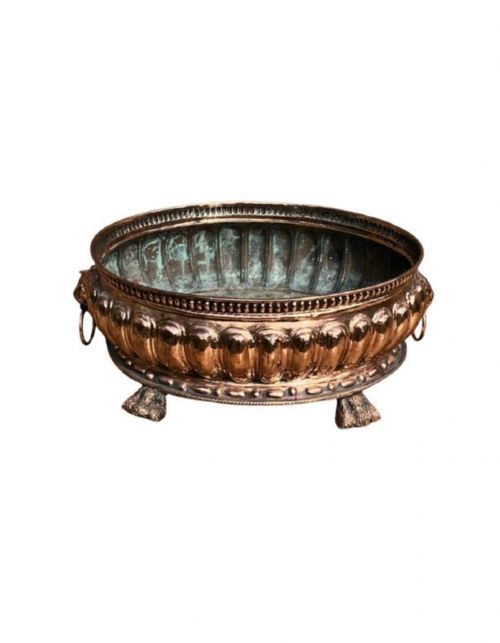

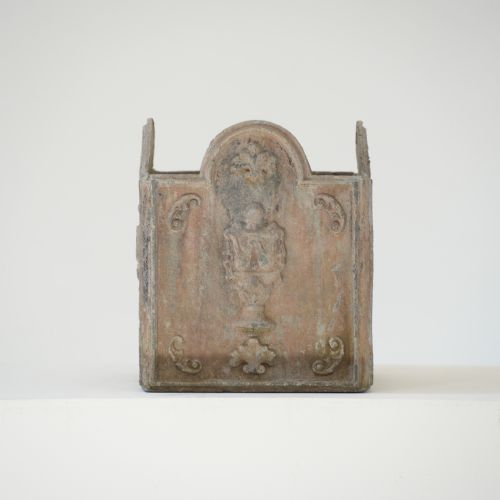


Metal Plant Trough
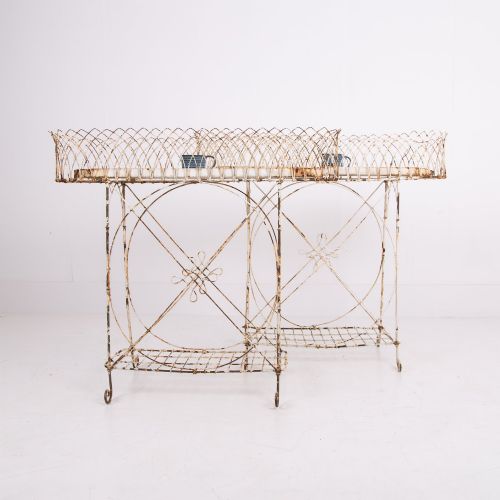
These metal plant trough examples bring period character to any conservatory or garden wall.
Metal Plant Trough
When you search for a metal plant trough, you encounter a range of horticultural containers spanning the Georgian, Victorian, and Edwardian eras. The listings here most frequently present solid copper, brass, and cast iron vessels designed to hold potted plants indoors or upon a patio.
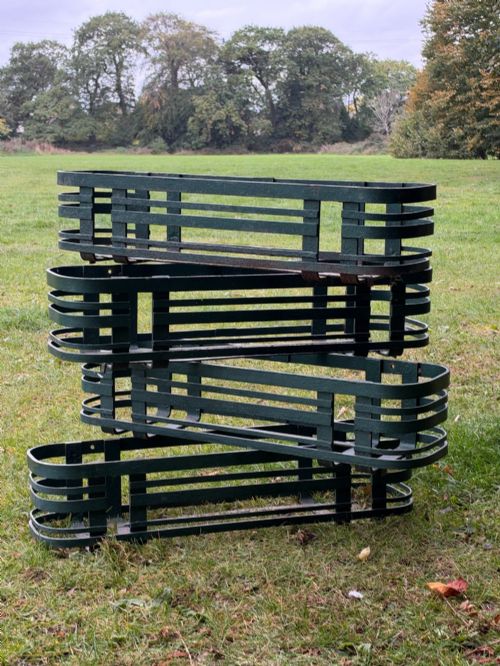
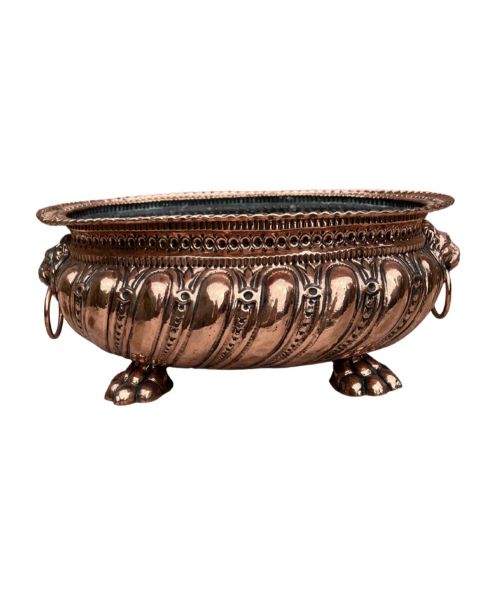
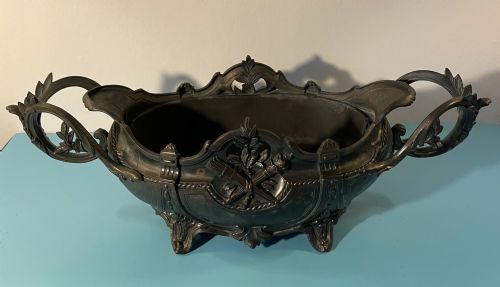
Forms vary from pierced brass jardinieres and repoussé copper troughs to heavy cast iron garden urns and lead planters resting on claw feet. These items serve a practical function while introducing distinct period styling into domestic and garden spaces.
How they were made
The construction methods rely heavily upon metalworking traditions such as casting, hand-beating, and repoussé decoration on copper and brass. Artisans also utilised wrought iron strapwork, zinc linings, and applied ormolu mounts to strengthen and adorn the vessels.
Makers shaped heavy metals into robust garden urns and troughs, occasionally combining them with timber frames like satinwood, mahogany, or oak to suit refined interior settings.
Metal Plant Trough Retail Price Guide 2026
Typical asking prices for metal plant trough among the pieces listed under this phrase on Sellingantiques today, from the lower quarter to the upper quarter. They describe what is for sale here now, not the wider market.
Several brass troughs come equipped with decorative animal heads guarding the foliage.
What varies in quality
Quality rests upon the weight of the metal and the crispness of any decorative chasing, repoussé work, or cast ornamentation. Superior examples display thoughtful proportions, integrated protective linings, and substantial gauges of brass, copper, or lead.
Pieces that retain a harmonious integration of mounts, feet, and structural hardware stand apart from simpler utilitarian versions.
The Metal Plant Trough Glossary
- Jardiniere
- An ornamental pot or stand for holding plants or flowers. These items often sit on tables or floor pedestals within reception rooms.
- Repoussé
- A metalworking technique where the metal is hammered from the reverse side to form a raised design in relief. This ornamentation appears frequently on brass and copper vessels.
- Ormolu
- Gilded bronze mounts applied to furniture and decorative objects. They add a bright metallic accent to timber and metal planters alike.
- Strapwork
- Ornamental work consisting of flattened bands or ribbons, often intersecting in geometric patterns. This technique appears on wrought iron garden containers.
- Zinc lined
- Fitted with an interior shell of zinc to protect the outer frame from moisture and soil. This addition helps preserve the structural integrity of the planter.
Metal Plant Trough: Frequently Asked Questions
How do I care for a metal plant trough?
Keep the interior dry or ensure a proper liner is used to prevent continuous moisture contact with the base metal.
Dust or gently clean the exterior surfaces without harsh abrasives to maintain the natural patina developed over time.
Were these used indoors or outdoors?
The selection includes both heavy cast iron and lead pieces intended for garden lawns and patios, alongside lighter brass and copper vessels made for interior rooms.
Checking the material and weight generally indicates the original intended placement.
How do I identify a Victorian metal trough?
Victorian examples often feature decorative repoussé work, cast animal heads, or substantial brass and copper construction.
Stylistic cues align with the broader design revivals popular during the nineteenth century.
Can these planters hold soil directly?
Many metal vessels require an internal liner, such as zinc, to prevent corrosion and water damage to the outer walls.
Using potted plants inside the trough rather than filling it directly prolongs the lifespan of the antique.