

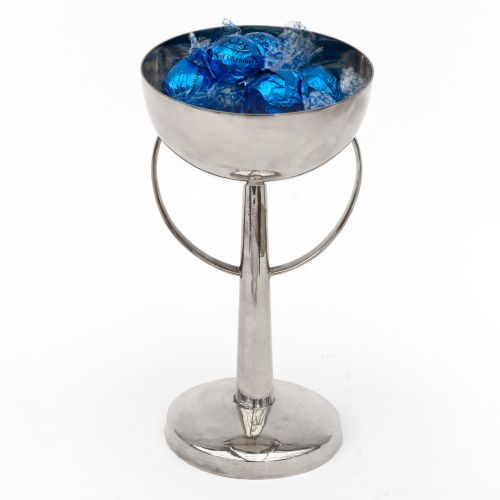
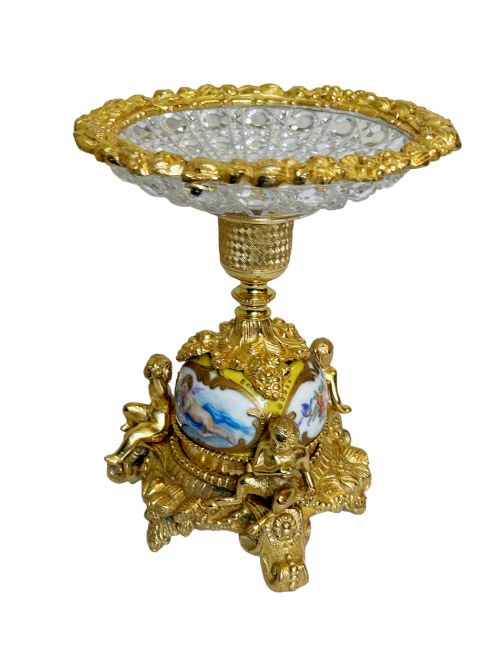
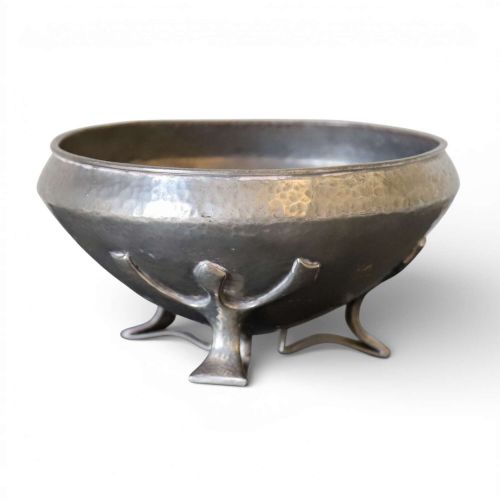
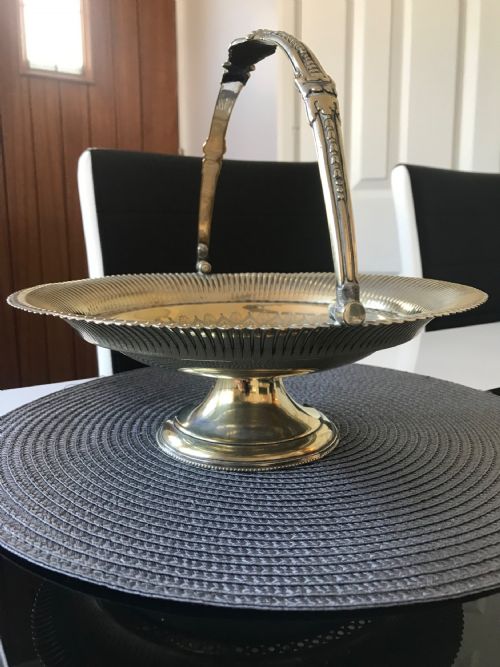

Metal Pedestal Bowl
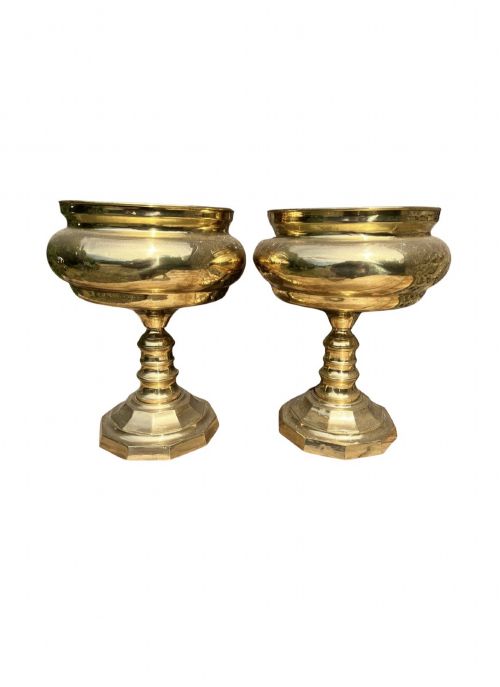
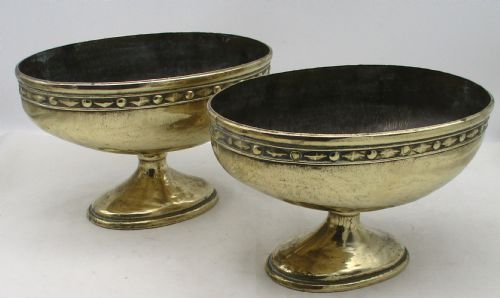
These raised vessels, found under the metal pedestal bowl search phrase, combine formal dignity with practical display.
Metal Pedestal Bowl
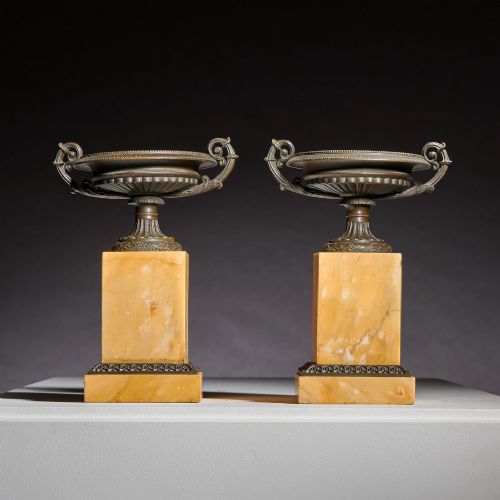
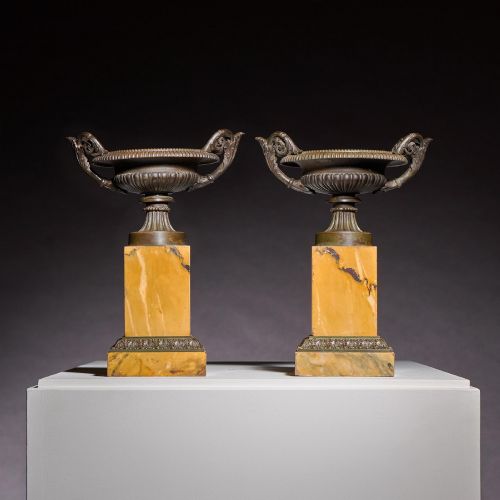
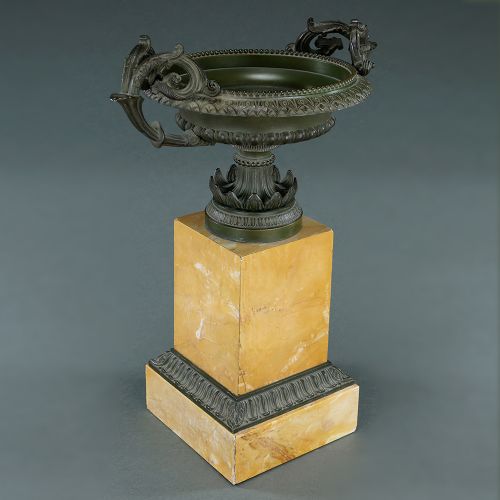
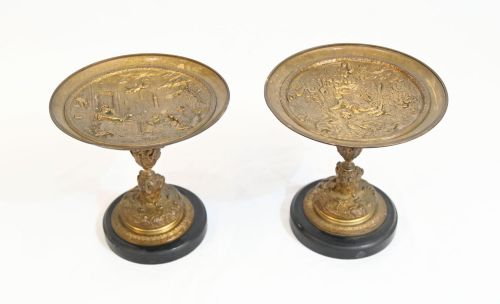
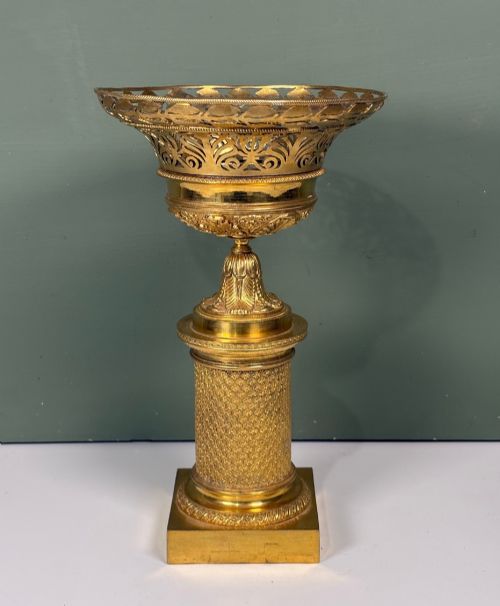
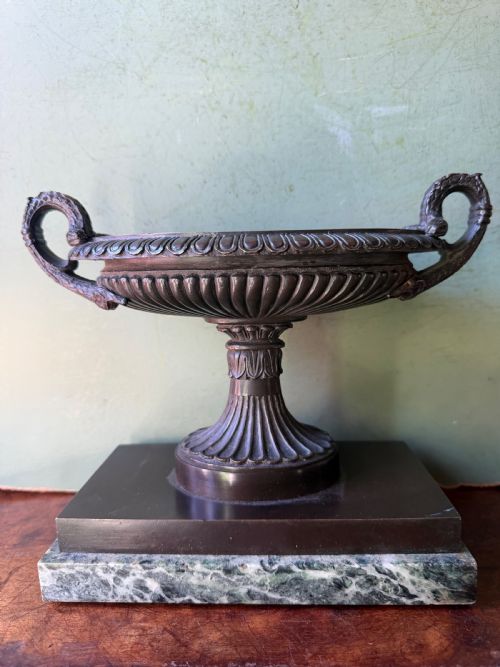
A metal pedestal bowl stands elevated on a foot, stem, or plinth base, appearing in forms such as tazzas, centrepieces, tazze, and decorative urns. The items seen on this page span the nineteenth century through the early twentieth century, originating from French workshops, British makers, and Asian sources.
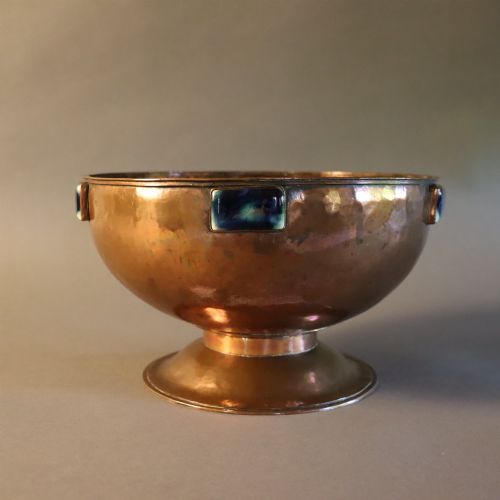
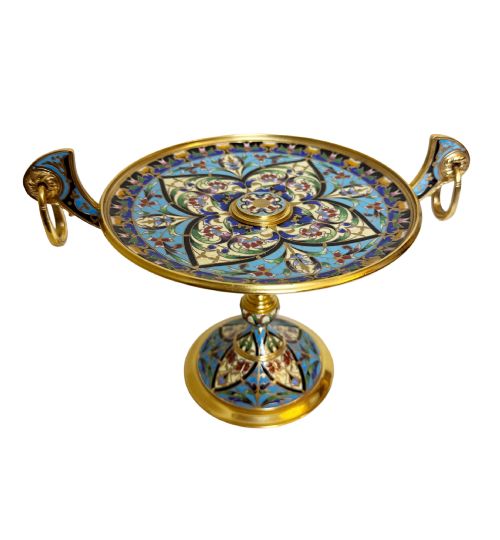
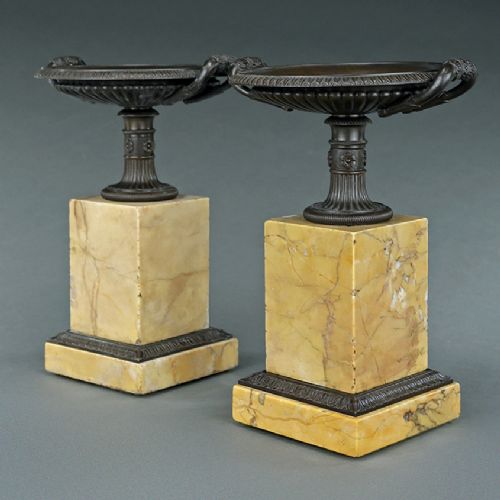
Buyers frequently encounter nineteenth-century French pieces cast in bronze or ormolu and paired with Siena marble bases, often reflecting Grand Tour tastes. Alongside these formal continental designs, the listings include Arts and Crafts copper and pewter vessels, silver-plated dishes, and Japanese cloisonné enamel pieces.
The objects range from large-scale table centrepieces and punch bowls down to smaller bon bon dishes and tazze. Domestic dining tables, libraries, and sideboards provide the primary settings where these raised vessels traditionally display fruit, flowers, or decorative elements.
Materials and Technique
Foundry work dominates the construction, utilising cast bronze, brass, or ormolu combined frequently with stone plinths like Siena marble. Artisans also employed silver plating over base metals, alongside hammered copper and pewter for later Arts and Crafts designs.
Decorative surface techniques include champlevé and cloisonné enamel work, applied cabochons of agate or cameo glass, and fine chased detailing on the metal surfaces. These methods require precise casting, hand-finishing, and the careful mounting of dissimilar materials together.
Metal Pedestal Bowl Retail Price Guide 2026
Typical asking prices for metal pedestal bowl among the pieces listed under this phrase on Sellingantiques today, from the lower quarter to the upper quarter. They describe what is for sale here now, not the wider market.
Materials across the selection range from cast bronze, brass, ormolu, and silver plate to marble, cloisonné enamel, and cut crystal.
The Measure of Quality
Quality rests upon the crispness of the metal casting and the depth of the churing or chasing work on the bowl and stem. Superior examples display sharp relief in figurative elements, secure joints between the metal vessel and its stone base, and harmonious proportions.
The integration of secondary materials defines the better pieces, such as flawless enamel plaques, well-matched marble plinths, or cleanly set cabochons. Lesser items show softer cast details, simpler assembly, and more utilitarian finishing on the undersides.
Liberty & Co Tudric Pewter·Oliver Baker·WMF·Orivit
The Metal Pedestal Bowl Glossary
- Tazza
- A shallow bowl set upon a slender foot or pedestal base. Originating from ancient forms, it serves primarily for display on dining tables and sideboards.
- Ormolu
- Gilt bronze produced by applying a finely ground high-carat gold mercury amalgam to a bronze object. The technique creates a rich golden finish characteristic of French decorative arts.
- Champlevé
- An enamelling technique where troughs or cells are hollowed out of the metal surface and filled with vitreous enamel before firing. It creates vibrant coloured patterns flush with the surrounding metal.
- Grand Tour
- A cultural journey undertaken by wealthy young Europeans in the eighteenth and nineteenth centuries to study classical antiquities. Souvenirs from these travels included miniature bronzes and architectural marbles.
- Siena marble
- A distinctive yellow Italian marble featuring dark grey or purple veining. Makers utilised this stone extensively for the plinths and bases of nineteenth-century French bronzes.
Metal Pedestal Bowl: Frequently Asked Questions
What is a metal pedestal bowl used for?
These elevated vessels serve primarily as decorative centrepieces for dining tables, sideboards, and cabinets. Historically, they held fruit, sweetmeats, or flowers during formal meals.
Today, they function mainly as decorative objects of art that showcase metalwork and stone combinations from the nineteenth and early twentieth centuries.
How do I date a metal pedestal bowl?
Dating relies on stylistic markers, manufacturing techniques, and the materials used. Nineteenth-century French pieces often exhibit neoclassical or Empire styling with cast bronze and marble, while later items reflect Arts and Crafts or Art Nouveau aesthetics through hammered copper, pewter, and enamel.
Maker marks, where present, help pinpoint the production era and workshop origin.
What is the difference between a tazza and a centrepiece?
A tazza specifically refers to a shallow bowl raised on a single central foot or pedestal, drawing directly on classical forms. A centrepiece covers a broader category of large table vessels that may incorporate multiple supports, baskets, or elaborate garnitures.
Many tazzas are grand enough to function as table centrepieces.
How should I clean antique bronze and brass?
Antique metalwork benefits from gentle dusting with a soft, dry cloth to remove surface particles. Avoid chemical polishes and abrasive cleaners, as these strip away patination and can damage delicate surfaces like enamel or silver plating.
Leaving the natural age-related patina intact preserves the historical character of the piece.