

Metal Light Fixture
A metal light fixture brings illumination and historical character to a room through brass, bronze, and crystal forms.
Metal Light Fixture
When you search for a metal light fixture, you encounter a diverse range of items designed to illuminate interiors from the nineteenth century through the mid-twentieth century. These pieces encompass various lighting forms including chandeliers, ceiling lights, wall sconces, pendants, and lanterns originating from English, French, and Italian workshops.
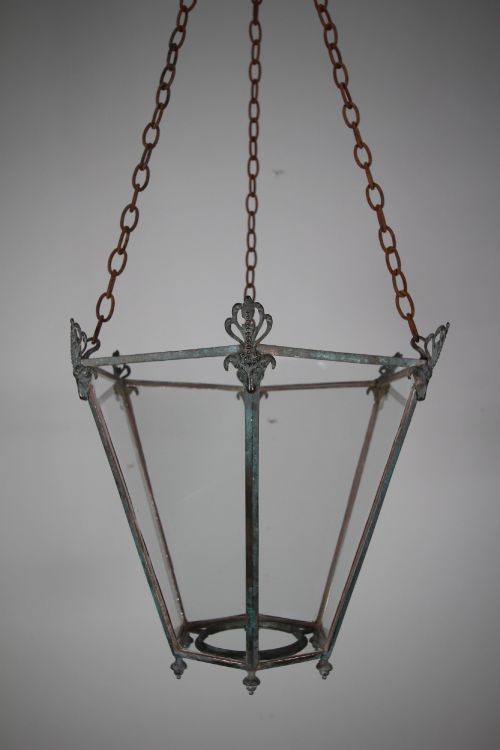
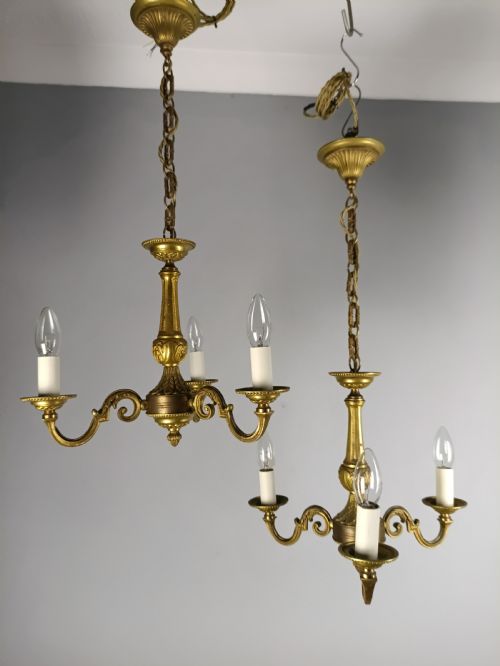
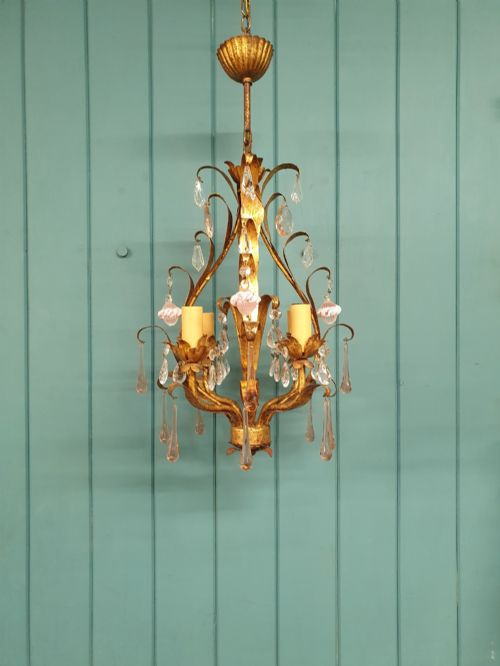
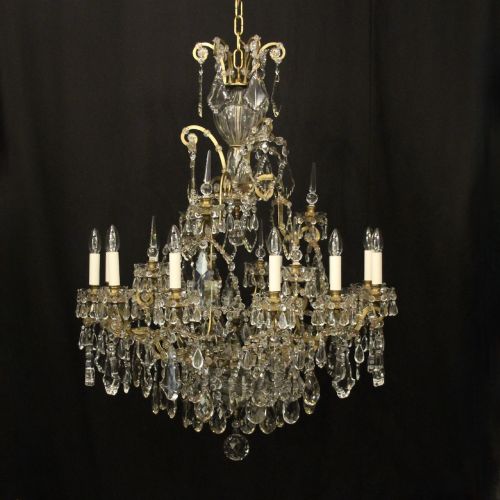
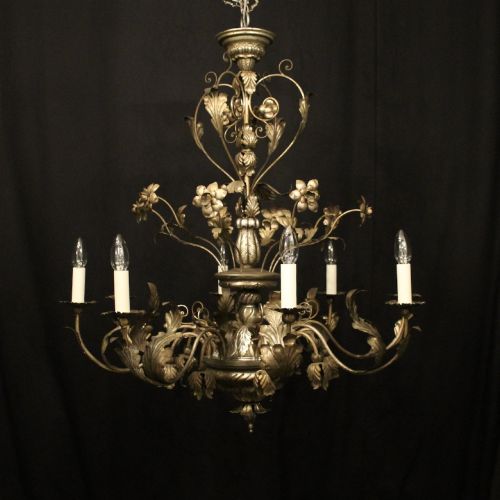
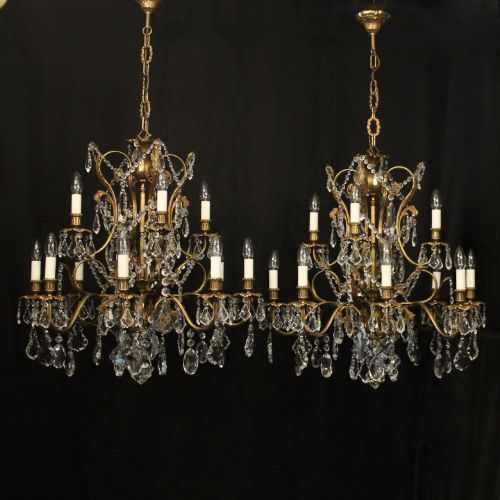
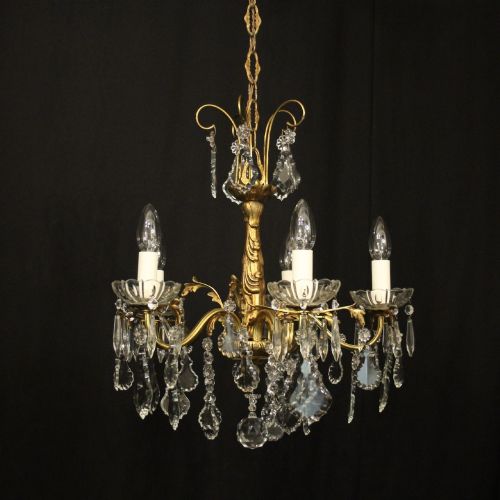
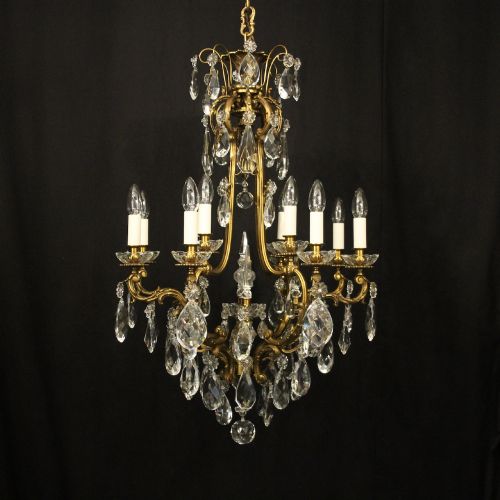
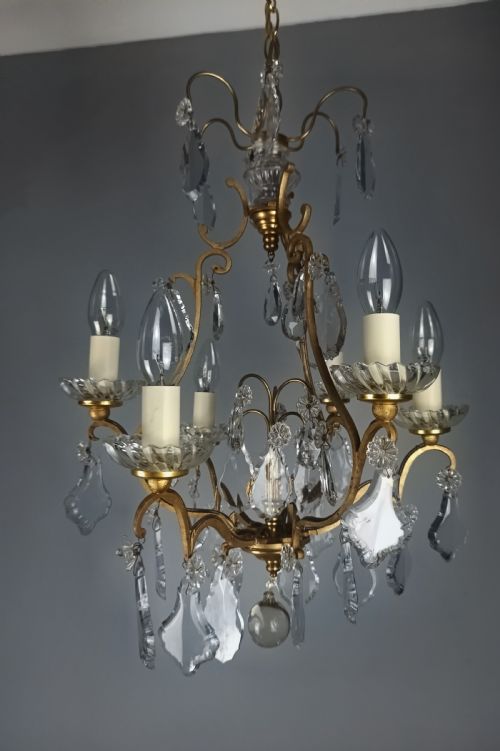
The most common examples on this page are French chandeliers dating from the 1920s and 1930s, often formed as gilt bronze, brass, or cage designs hung with crystal drops. Alongside these are English copper and bronze lanterns, Italian Florentine creations with gilt leaf or crystal elements, and Art Deco glass fixtures.
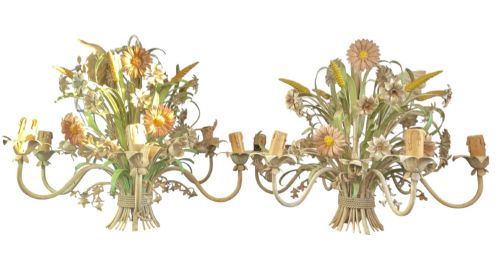
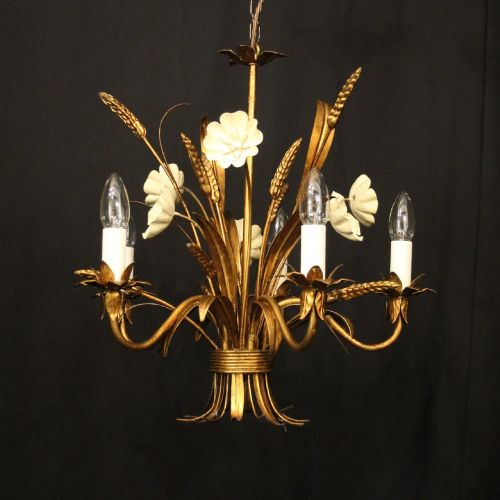
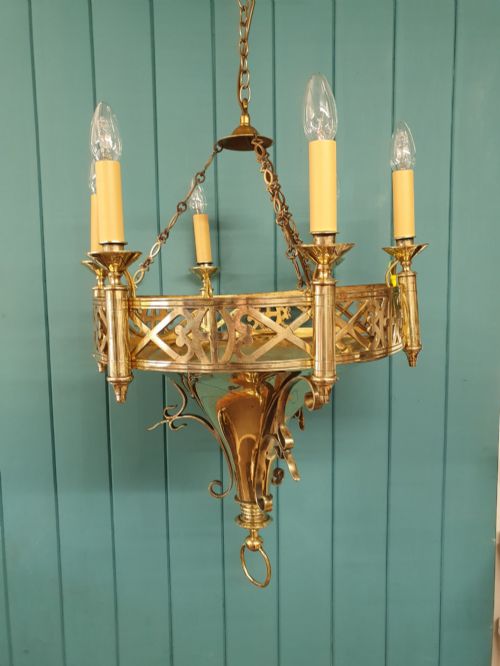
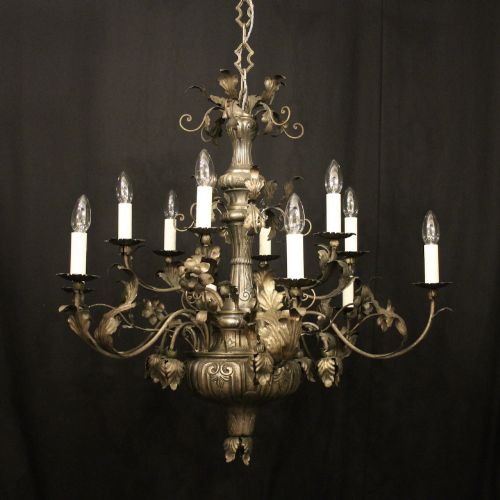
Makers and designers span traditional styles such as French Rococo, Victorian, Gothic, and Empire Revival, alongside Arts and Crafts and Art Deco pieces. Forms range from simple single-bulb wall brackets to large twelve-light chandeliers adorned with porcelain flowers, toleware foliage, and amethyst or amber crystal drops.
How They Were Made
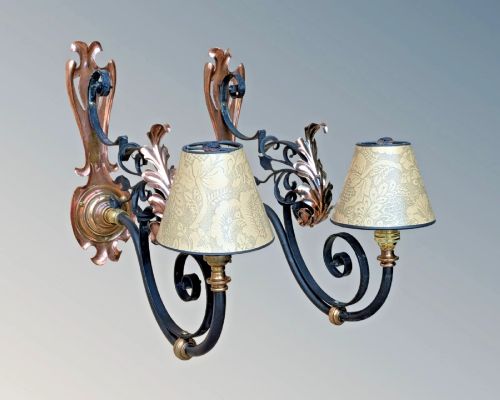
Makers utilised cast and forged metals including brass, bronze, copper, spelter, and gilt metal as structural foundations for these fixtures. Gilt finishes, silvering, and polychrome toleware paint were applied to decorate the metal surfaces of frames, arms, and wall sconces.
Glass and crystal formed an integral part of construction, taking the shape of cut crystal spikes, teardrops, tent and waterfall arrangements, and moulded slip shades. Artisans integrated porcelain flowers and ceramic elements into frames alongside electrified or candle-based configurations.
Metal Light Fixture Retail Price Guide 2026
Typical asking prices for metal light fixture among the pieces listed under this phrase on Sellingantiques today, from the lower quarter to the upper quarter. They describe what is for sale here now, not the wider market.
Listings feature periods from the 19th Century through 1950, with materials including brass, gilt bronze, copper, crystal, and toleware.
What Varies In Quality
The refinement of metalwork distinguishes examples, seen in the crispness of cast bronze and brass details versus simpler folded or spun components. Hand-chased mounts, intricate frame construction, and substantial gauge metal indicate higher workmanship.
The quality of the hanging components matters significantly, separated by the clarity and cut of crystal drops, the delicacy of porcelain floral elements, and the preservation of original gilding or silvered finishes.
Charles Schneider
The Metal Light Fixture Glossary
- Plafonnier
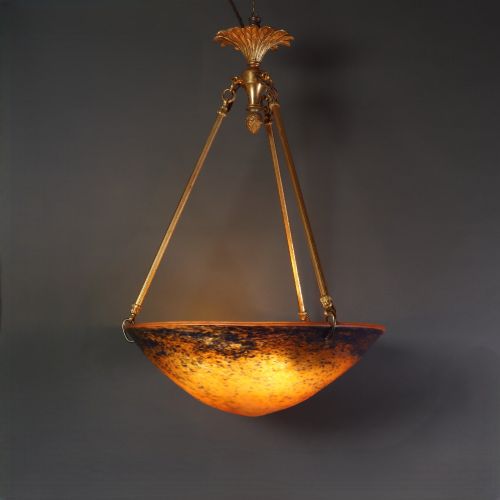
- A ceiling light fitted close to the ceiling surface, often featuring moulded or art glass bowls. These fixtures typically direct light downwards into the space.
- Toleware
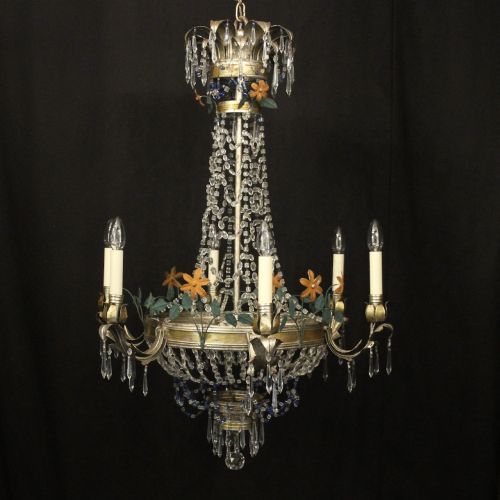
- Painted or lacquered sheet metal items, frequently decorated with floral motifs in polychrome colours. This material often appears on French chandeliers and wall lights.
- Birdcage chandelier
- A metal frame structure shaped like an aviary or cage, strung with crystal droplets and central coronets. They are characteristic of twentieth-century French lighting design.
- Slip shade
- A moulded piece of art glass that slides into a metal frame to enclose a light bulb. This style is frequently found in Art Deco American lighting.
- Spelter
- An alloy of zinc used as a cost-effective substitute for bronze in decorative castings. It is often gilded or painted to resemble more expensive metals.
Metal Light Fixture: Frequently Asked Questions
What periods do these metal light fixtures cover?
The pieces span from the nineteenth century through the 1950s, capturing Victorian, Edwardian, and mid-century designs alongside specific decades like the 1920s and 1930s.
You will find styles ranging from French Rococo Revival and Italian Florentine to Art Deco and Arts and Crafts.
What is toleware lighting?
Toleware lighting consists of painted or enamelled sheet metal formed into decorative flowers, leaves, and structural frames. These pieces often feature polychrome colours or gilt highlights.
They appear frequently in early twentieth-century French chandeliers paired with crystal drops.
Were these fixtures made for electricity?
Many items from the 1920s onwards were manufactured for electricity or later adapted from candle and gas configurations. Some mid-century pieces were originally built with electric wiring.
Buyers should examine the internal wiring and bulb fittings to understand the current electrical setup.