





Metal Keepsake Box
A metal keepsake box secures letters, trinkets and valuables, bringing history and craftsmanship straight to your dressing table or desk.
Metal Keepsake Box
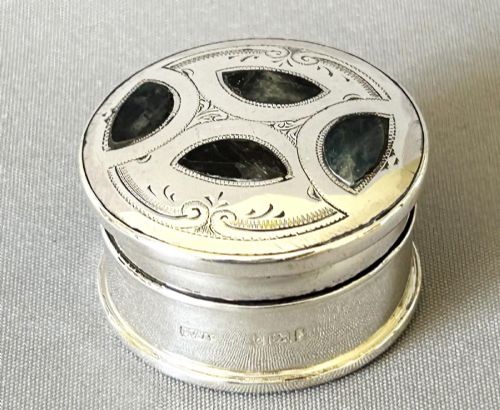
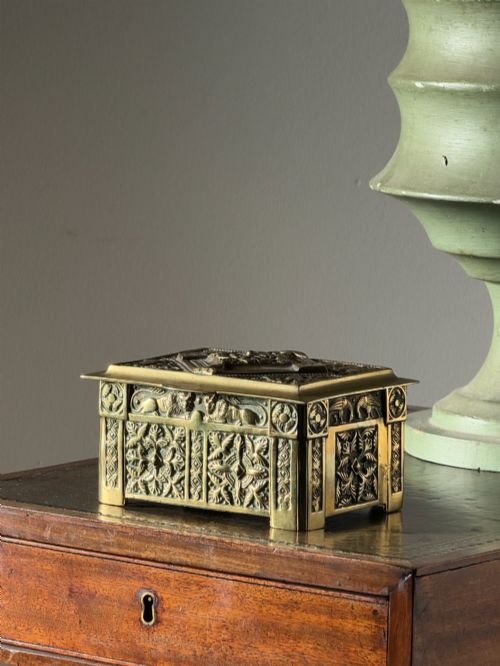
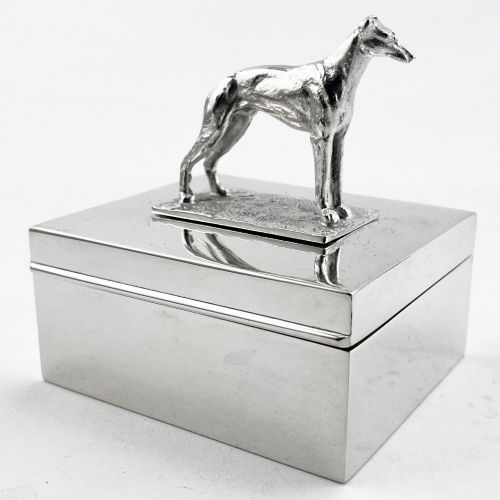
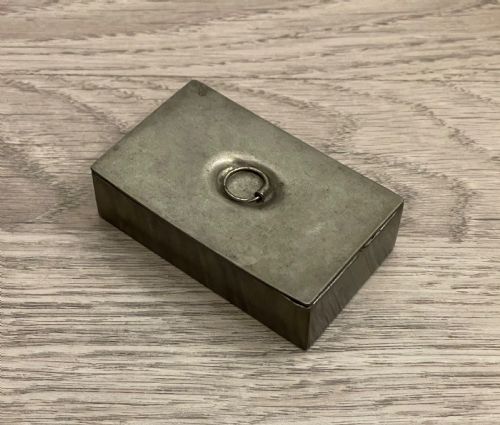
When you search for a metal keepsake box, you find a varied selection of caskets, deed boxes, strong boxes and small receptacles designed to secure personal treasures. The assortment spans the nineteenth century through the early twentieth century, taking forms such as jewellery boxes, tobacco boxes and decorative caskets.
How they were made
Makers utilised metals such as brass, bronze, copper, steel, pewter and silver plate, frequently combining them with wood, enamel, or gilt finishes. Pieces exhibit techniques like hand beating, riveting, repousse decoration, casting and cloisonne enamel work.
Workshops shaped these materials into hinged caskets, fall front deed cases and structural coffers, sometimes integrating silk or velvet linings inside the storage compartments.
Metal Keepsake Box Retail Price Guide 2026
Typical asking prices for metal keepsake box among the pieces listed under this phrase on Sellingantiques today, from the lower quarter to the upper quarter. They describe what is for sale here now, not the wider market.
Some nineteenth century brass boxes were ingeniously engineered to conceal secret compartments for hiding private diaries and clandestine letters.
What varies in quality
The standard of a metal keepsake box depends on the weight and finish of the metal, whether cast, beaten, or repousse worked. Superior pieces display crisp detailing in ornamentation, intact original linings and properly functioning hinges or secure closures.
Artistic execution distinguishes standard production items from attributable studio works, particularly within Arts and Crafts or Art Nouveau caskets where hand craftsmanship and surface texture dictate desirability.
S Theeman·William Morris·Walker and Hall·AB Paris
The Metal Keepsake Box Glossary
- Repousse
- A metalworking technique where the artisan hammers the material from the reverse side to form a raised design on the front. This method creates tactile, highly decorative surface relief on copper and brass boxes.
- Casket
- A small ornamental box or chest intended for holding jewellery, letters or precious keepsakes. They often feature hinged lids and decorative metal mountings.
- Cloisonne
- An ancient technique for decorating metal object surfaces, using vitreous enamel baked within wire compartments welded to the base. It yields vibrant coloured patterns.
- Ormolu
- Finely ground high-carat gold mercury-gilded onto a bronze or brass object. This finish provides a brilliant golden lustre seen on French decorative boxes.
- Deed box
- A rigid metal storage container designed for safeguarding important legal documents, papers and contracts. They typically incorporate sturdy locks and secure drop handles.
Metal Keepsake Box: Frequently Asked Questions
What fits inside a keepsake box?
These receptacles accommodate small personal items such as letters, photographs, rings, brooches, coins and pocket watches. Their internal depth and compartmentalisation vary according to their original purpose.
Deed boxes suit flat paper documents, whereas jewellery caskets and trinket boxes are better proportioned for smaller valuables and keepsakes.
How do I clean a brass box?
Maintenance requires dusting gently with a soft, dry cloth to remove surface particles. Avoid harsh chemical polishes that strip away historical patination.
If the metal requires attention, use a specialist metal cleaner applied sparingly with cotton buds to preserve any surrounding enamel or wood.
Are these boxes secure?
Many historical boxes feature operational locks, catches, or fall fronts intended to keep contents enclosed. However, antique mechanisms can wear down over time.
Collectors view them primarily for display and safe domestic storage rather than high security protection for modern valuables.
How do I identify the period?
Dating relies on stylistic clues, manufacturing techniques and materials associated with specific movements like Art Nouveau, Arts and Crafts, or the Victorian era. Structural assembly methods and hallmarks also offer chronological markers.
Comparing construction styles against documented pieces helps narrow down the decade of production.