



Metal Ice Chiller
A metal ice chiller is a heavy table vessel designed to keep wine and champagne cold, combining practical service with striking period metalwork.
Metal Ice Chiller
When you search for a metal ice chiller, you encounter robust vessels primarily formed as wine coolers, champagne coolers, and ice buckets. The pieces on this page span from the nineteenth century through the mid-twentieth century, capturing shifts in domestic dining habits.
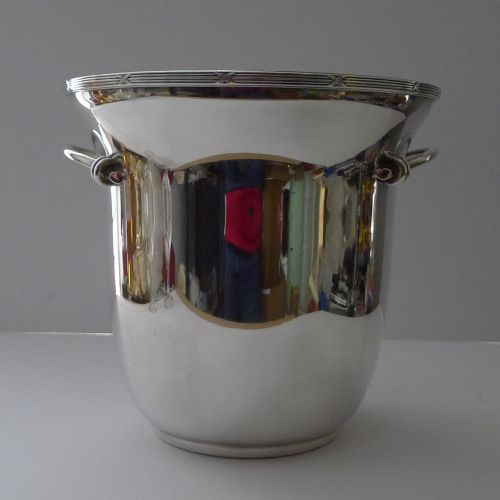
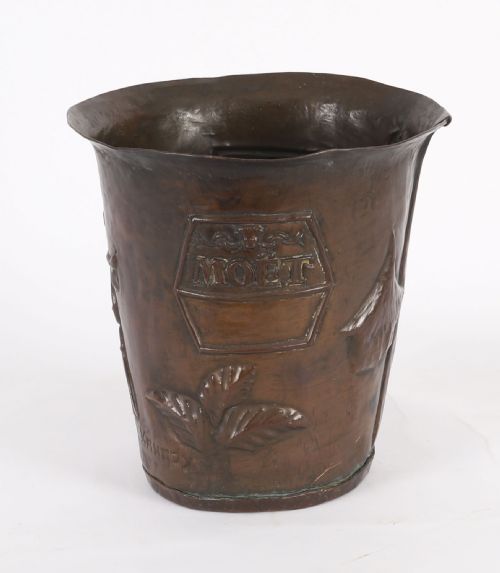
You are most likely to meet silver plated examples from French and British makers, alongside early twentieth-century chrome and heavy copper forms. These objects served utilitarian functions in grand dining rooms and smaller bistros alike, often bearing family coats of arms or maker marks.
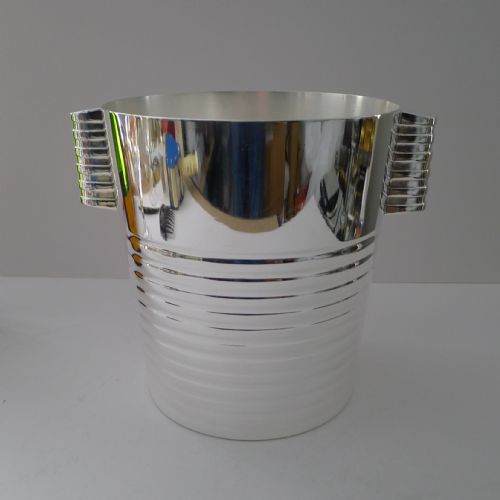
The stylistic range stretches from Georgian and Victorian formality into the clean geometric lines of Art Deco and French Country aesthetics. Such variety means you find items suited both for traditional dining settings and contemporary display.
How they were made
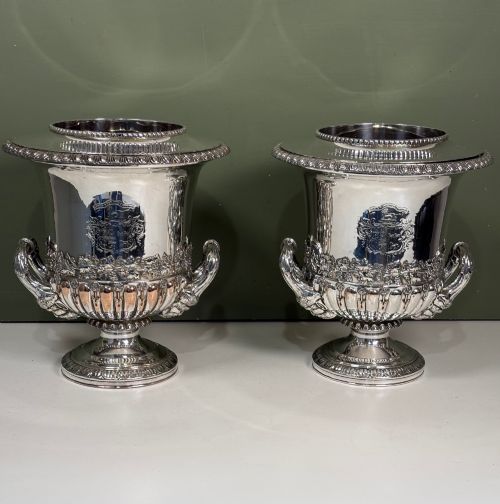
Makers utilised silver plate, Sheffield plate, copper, and base metal, frequently applying thick silver layers over a durable copper or alloy core. Surface decoration often involved heavy embossing, applied ring handles, and engraved coats of arms.
Mid-century pieces introduce chrome finishes and Bakelite details, reflecting industrial manufacturing shifts away from traditional plating methods. Artisans shaped these metals through spinning, casting, and hand-chasing to achieve both structural rigidity and decorative depth.
Metal Ice Chiller Retail Price Guide 2026
Typical asking prices for metal ice chiller among the pieces listed under this phrase on Sellingantiques today, from the lower quarter to the upper quarter. They describe what is for sale here now, not the wider market.
Listings feature periods spanning from the nineteenth century through the 1950s, utilising silver plate, copper, chrome, and Bakelite.
What varies in quality
Quality rests in the weight of the metal, the crispness of any embossed or chased ornamentation, and the integrity of the underlying plating. Superior pieces display substantial wall thickness and balanced proportions that hold temperature effectively.
The distinction between standard commercial production and high atelier work lies in signature details such as cast ring mounts, sharp crest engravings, and the reputation of the silversmithing house.
Christofle·Elkington·Christofle Gallia·Luc Lanel for Christofle
The Metal Ice Chiller Glossary
- Silver plate
- A thin layer of silver bonded to a base metal core such as copper or brass. This technique provided the visual richness of solid silver at a lower production cost.
- Sheffield plate
- An early form of plating created by fusing a sheet of silver to a copper ingot before rolling them together. Edge seams on older items often reveal the thin copper layer underneath.
- Old Sheffield Plated
- A descriptor for items produced using the original fusion process developed in the eighteenth century. These pieces carry distinct weight and historical patination.
- Base metal
- The underlying alloy used in manufactured vessels, typically brass, copper, or nickel silver. It forms the structural body before plating is applied.
- Bakelite
- An early synthetic thermosetting resin used for insulating handles and grips on twentieth-century vessels. Its presence helps date items to the modernist design era.
Metal Ice Chiller: Frequently Asked Questions
How do I clean a metal ice chiller?
Wash the vessel gently using warm water and a mild dish soap with a soft sponge, avoiding harsh abrasive pads that scratch the metal surface.
Dry the piece immediately with a soft cloth to prevent water spots, and use dedicated silver or chrome polish only when necessary to maintain the finish.
Can I use these buckets for daily dining?
These vessels are fully functional and serve as sturdy table companions for holding ice, wine bottles, and champagne during meals.
Handle older plated surfaces with care to preserve the remaining silver layer over decades of regular domestic use.
How do I date an older metal ice chiller?
Examine the vessel for maker marks, registry stamps, and stylistic cues such as Georgian crests or Art Deco geometric forms.
The choice of materials, including Sheffield plate versus mid-century chrome, also narrows the production era considerably.
What is the difference between Sheffield plate and silver plate?
Sheffield plate involves mechanically fusing a sheet of silver to copper before shaping, creating a distinct material structure.
Standard silver plate utilises an electroplating bath introduced later in the nineteenth century to deposit silver over a base metal form.