





Metal Garden Sculptures
Metal garden sculptures bring character and presence to outdoor spaces through enduring forms cast in bronze, lead, and iron.
Metal Garden Sculptures
These outdoor pieces encompass figures, animals, and decorative objects designed to weather outdoors over decades. When searching for metal garden sculptures, buyers encounter everything from life-size animal figures to architectural ornaments and practical weather vanes.
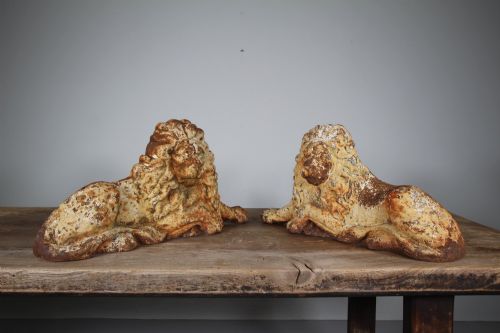
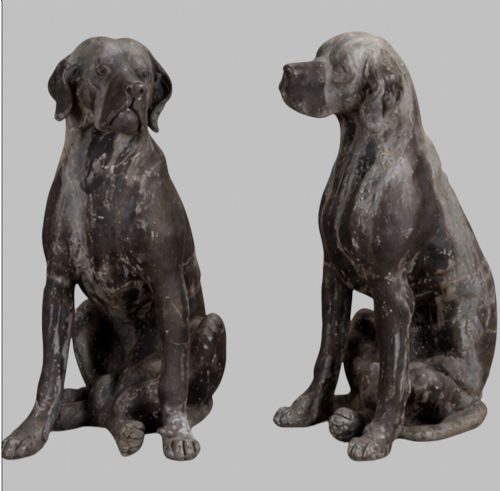
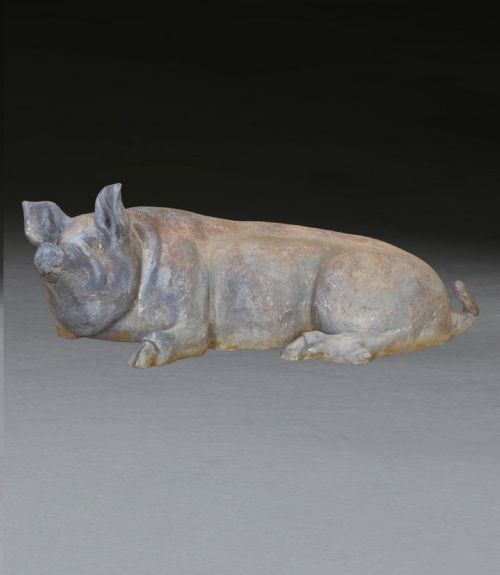
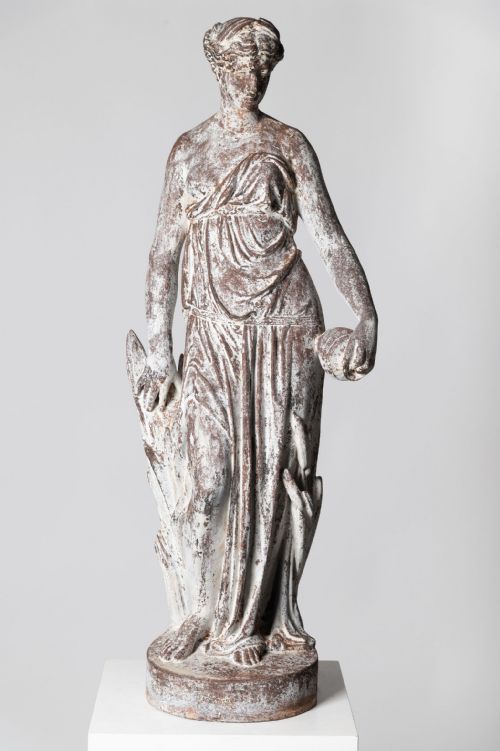
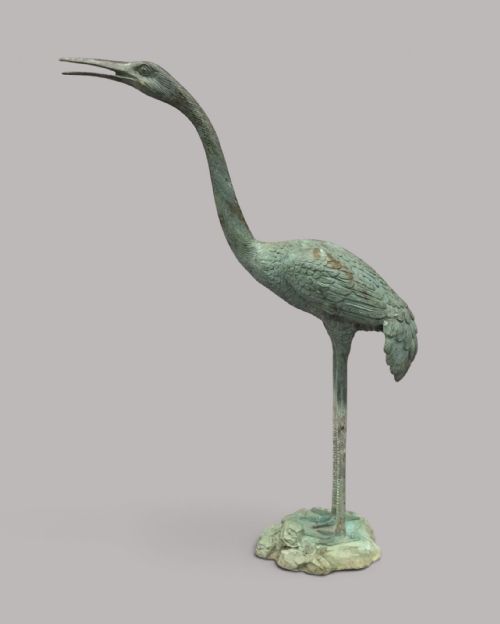
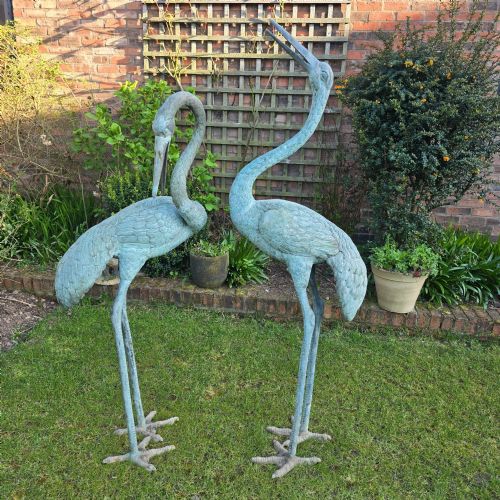
The selections span distinct historical periods, featuring works from the eighteenth, nineteenth, and early twentieth centuries. Cast iron dogs, bronze cranes, and lead putti appear frequently across the available selections.
Origin styles vary from English country garden pieces to Japanese Meiji okimono and neoclassical figures. Buyers often choose between stately nineteenth-century iron statues and playful folk art copper sculptures.
How they were made
Foundries utilised traditional casting techniques for bronze, lead, and cast iron to shape detailed figures and statues. Molten metal poured into moulds captured intricate textures, from feathered bird wings to muscular animal forms.
Wrought iron objects involved manual smithing, where hot metal was hammered and shaped into functional items like anchors and weather vanes. Surface treatments such as paint and natural oxidation helped the metals withstand outdoor elements.
Metal Garden Sculptures Retail Price Guide 2026
Typical asking prices for metal garden sculptures among the pieces listed under this phrase on Sellingantiques today, from the lower quarter to the upper quarter. They describe what is for sale here now, not the wider market.
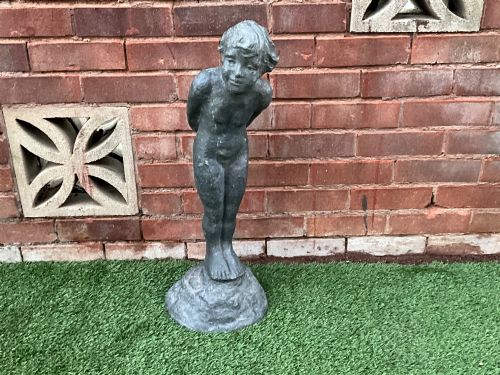
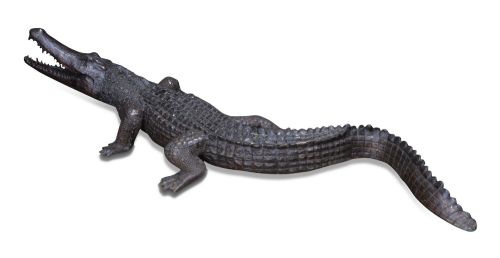
A thinking monkey in lead stands ready to ponder life's deepest garden mysteries alongside traditional iron dogs and bronze crocodiles.
What varies in quality
The thickness and structural integrity of the metal influence longevity and resistance to corrosion over centuries. Surface patination achieved through age and weathering adds depth that inferior or rushed finishes lack.
Val d Osne foundry·Henri Jaquesmart
The Metal Garden Sculptures Glossary
- Cast iron
- An iron-carbon alloy poured into a mould to create rigid and durable statues. It was widely used by nineteenth-century foundries for garden ornaments.
- Putto
- A figure of a small chubby boy, often depicted as a winged cherub in garden statuary. These figures frequently appeared in lead during the eighteenth and nineteenth centuries.
- Okimono
- Japanese decorative objects designed for display, including bronze birds and animals produced in the Meiji period. These sculptures display remarkable realism and attention to detail.
- Weathervane
- A weather-vane mechanism featuring a metal silhouette that turns to show the wind direction. Copper versions often served as architectural focal points on roofs and gardens.
- Patina
- The surface sheen and colour acquired by metal through oxidation and exposure to the elements over many years. Collectors prize natural patination for its authentic historical character.
Metal Garden Sculptures: Frequently Asked Questions
How do I care for outdoor bronze sculptures?
Bronze sculptures require minimal maintenance, benefiting mainly from occasional gentle washing to remove dirt and debris. Applying a light coat of wax helps protect the surface metal from harsh weather conditions.
Avoid using abrasive cleaners or harsh chemicals that can strip the natural patina. Letting the metal age naturally preserves its historical character.
Are cast iron statues heavy to move?
Cast iron statues are exceptionally heavy and dense due to the nature of the material. Moving them typically requires multiple people and sometimes mechanical assistance to prevent damage.
Their substantial weight ensures they remain stable on lawns and terraces without needing permanent fixings. This heft also deters movement and theft in open gardens.
How can I tell lead figures from iron?
Lead figures have a dull grey colour, a softer surface texture, and a significantly heavier feel than iron of the same size. Iron tends to develop red-brown rust spots, whereas lead oxidises to a chalky white or dark grey.
Lead can also be slightly marked with a fingernail or soft tool, unlike hard cast iron. Older lead garden ornaments often display subtle sagging from their own weight over time.
Where should I place garden statues?
Placing sculptures at focal points along pathways, near ponds, or framed by hedges creates visual interest in a landscape. Larger pieces work well as anchor points in open lawns or at the end of long vistas.
Consider how sunlight shifts across the garden throughout the day to highlight the texture of the metal. Positioning statues where they can be viewed from seating areas enhances the enjoyment of the space.