





Metal Folk Sculpture
Metal folk sculpture brings raw vernacular character to a room through handmade figures, trade signs and working objects shaped by anonymous hands.
Metal Folk Sculpture
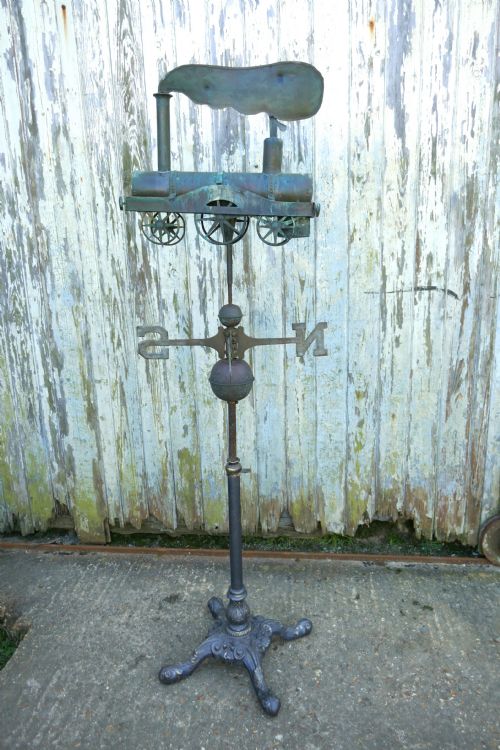
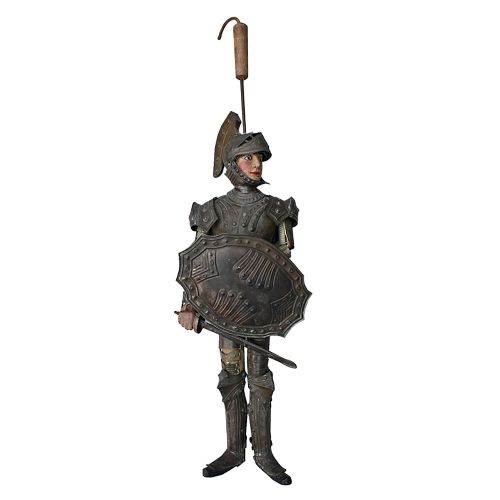
Metal folk sculpture encompasses vernacular pieces created outside academic traditions, spanning functional items like weather vanes and balance toys alongside expressive figures. When exploring metal folk sculpture, collectors encounter utilitarian objects repurposed into art, such as trade signs and bird scarers shaped with practical directness. These pieces originate from distinct traditions including English folk art, Sicilian marionettes and Indian bronze deities.
The objects on this page date predominantly from the nineteenth and early twentieth centuries, capturing a period of robust industrial and agricultural vernacular. Forms range from galloping horses and cockerel weather vanes to teeter totters and primitive religious figures. Each item reflects the local materials and cultural needs of its maker, whether intended for a shop exterior or a domestic interior.
Materials and construction
Makers utilised readily available metals such as sheet iron, copper and wrought iron, frequently combining them with supportive wooden bases or mounting stones. Sheet metal pieces were cut, beaten and joined to create lightweight silhouettes like weather vanes and fairground figures. Many surfaces retain traces of old paint, weathering naturally over decades of exposure to the elements.
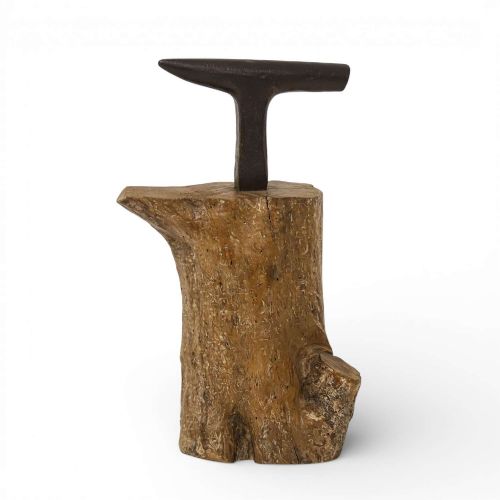
Casting and forging techniques dominate heavier works, from cast bronze Hindu deities to substantial farrier's anvils mounted on fruitwood trunks. The manipulation of copper and iron involved basic smithing methods, prioritising durability and clear silhouettes over refined ornamentation. Tool marks and structural rivets remain visible, recording the straightforward methods of their creation.
Metal Folk Sculpture Retail Price Guide 2026
Typical asking prices for metal folk sculpture among the pieces listed under this phrase on Sellingantiques today, from the lower quarter to the upper quarter. They describe what is for sale here now, not the wider market.
Listings feature 19th-century and early 20th-century pieces, spanning iron, copper, sheet metal and stone across various folk art traditions.
Evaluating quality and character
Quality in these pieces rests upon the strength of the silhouette and the integrity of the surface patination. Objects that retain their original working mechanism, such as balance toys and kinetic sculptures, command greater interest through their mechanical honesty. The survival of early surface paint, showing genuine wear rather than applied distress, distinguishes superior examples.
Proportion and sculptural presence determine the impact of a piece, separating mechanical production from truly expressive vernacular work. Finer items demonstrate a confident grasp of form, capturing motion in subjects like galloping horses or pivoting cockerels with economy and vigour. The relationship between the metalwork and any supporting material, such as aged fruitwood, adds structural and visual depth.
The Metal Folk Sculpture Glossary
- Weather vane
- A movable device attached to an elevated structure to show the direction of the wind, often formed as an animal silhouette in copper or iron. These functional objects formed a major part of architectural vernacular.
- Balance toy
- A kinetic object designed to rock or tip using counterweights without falling over entirely. Such pieces demonstrate playful vernacular engineering.
- Trade sign
- A bold object or board displayed outside a business to advertise a trade or service. They rely on immediate visual recognition.
- Folk art
- Artistic work created within a community culture, operating outside professional academic traditions. It emphasises utility, tradition and direct expression.
- Art brut
- Art created outside the boundaries of official culture, often associated with outsider art and primitive sculpture. These works lack formal training constraints.
Metal Folk Sculpture: Frequently Asked Questions
What is metal folk sculpture?
Metal folk sculpture comprises utilitarian and decorative objects shaped by non-academic makers using iron, copper and sheet metal. These pieces include weather vanes, trade signs and kinetic toys.
They reflect regional traditions and everyday trades, prized today for their unpretentious forms and honest patination.
How were old weather vanes used?
Weather vanes were mounted on the highest points of barns, stables and town buildings to indicate wind direction for agricultural and navigational purposes. Their silhouettes were designed to be read clearly from a distance.
Over time, exposure to weather created the distinctive oxidized surfaces collectors value.
How do I date these metal pieces?
Dating relies on material analysis, construction methods, and the style of the metalwork or associated wooden mounts. Pieces from the nineteenth and early twentieth centuries show specific tooling and assembly techniques.
Surface paint and natural oxidation patterns also offer reliable clues to an object's age.
Where should I place these sculptures?
These sculptures suit eclectic interiors, serving as focal points on mantels, walls or freestanding mounts. Their strong silhouettes pair well with both traditional and minimalist backgrounds.
Indoor placement protects delicate surviving paint surfaces from further environmental degradation.