

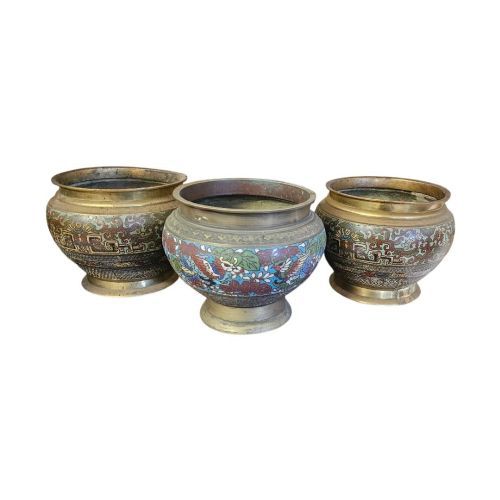
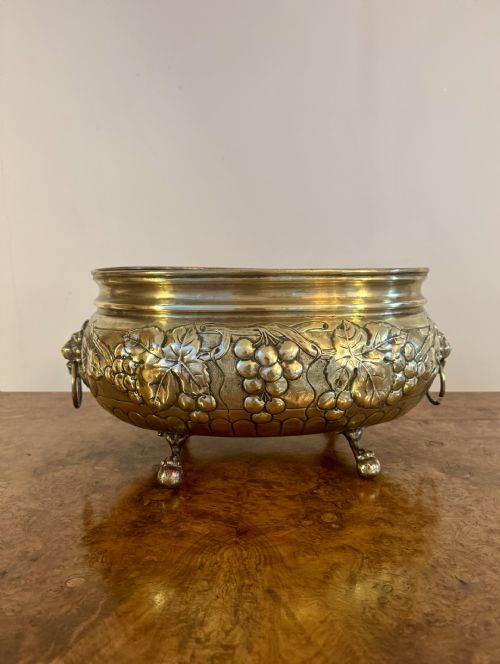
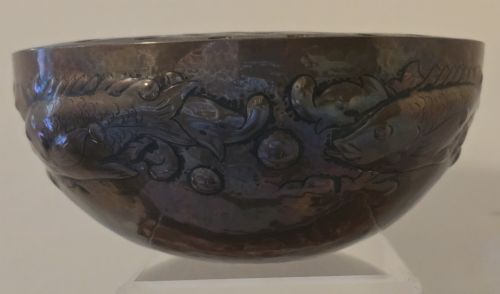
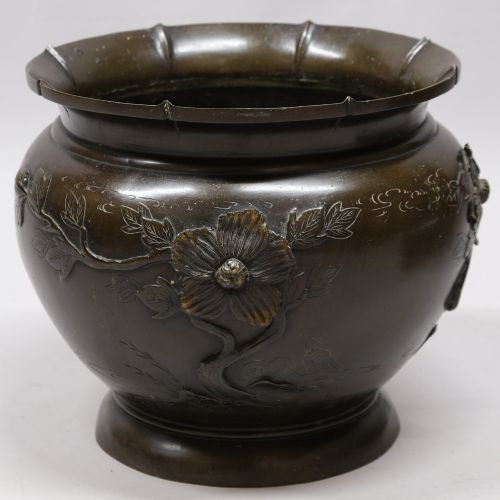
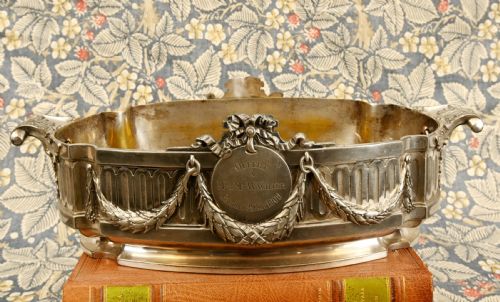


Metal Flower Bowl
A metal flower bowl brings botanical forms into interior spaces, offering a structured vessel to display fresh stems or sit simply as a decorative centrepiece.
Metal Flower Bowl
A metal flower bowl spans various historical periods including the Victorian, Edwardian, and Art Deco eras, alongside Arts and Crafts and Art Nouveau designs. These vessels appear as jardinieres, rose bowls, and table centrepieces designed to hold plants or cut flowers.
Buyers frequently encounter copper planters, bronze Japanese jardinieres, and silver-plated vessels among the current selection. Forms range from heavy cast bronze bowls to hammered copper pieces with pierced lids.
Origins stretch across European workshops and Japanese Meiji period metalwork studios, providing both traditional neo-classical styles and fluid organic shapes. Each piece serves primarily as a decorative vessel for botanical display.
Materials and construction methods
Makers utilised base metals such as copper, brass, and bronze, often shaping them through hand-hammering or casting techniques. Silver plating and chrome provided alternative reflective surfaces for later decorative vessels.
Surface decoration frequently involved cloisonné enamel work, applied floral motifs, or pierced metal lids designed to support individual flower stems. Heavy bronze bowls required skilled casting methods to achieve thick walls and stable bases.
Metal Flower Bowl Retail Price Guide 2026
Typical asking prices for metal flower bowl among the pieces listed under this phrase on Sellingantiques today, from the lower quarter to the upper quarter. They describe what is for sale here now, not the wider market.
Several heavy bronze bowls weigh over two kilograms, proving that seventeenth-century style flower displays required serious weight.
Distinctions in craftsmanship and design
Maker attribution and decorative complexity, such as integrated clover motifs or intricate pierced lids, elevate certain examples above standard production items. The integration of contrasting materials, including glass inserts, also distinguishes finer centrepieces.
Newlyn Copper·Liberty & Co.·WMF
The Metal Flower Bowl Glossary
- Jardiniere
- A large ornamental pot or bowl intended for holding plants or flowers. These vessels often sit on tables or directly on the floor.
- Rose bowl
- A low, rounded bowl traditionally fitted with a pierced lid or wire insert to arrange short-stemmed roses. This form gained popularity during the Victorian period.
- Centrepiece
- A decorative object placed in the middle of a dining table or sideboard. These items frequently take the form of silver-plated or bronze bowls.
- Cloisonné
- An ancient technique for decorating metalwork objects with coloured material held in place by thin metal strips. Japanese examples frequently feature this detailed surface work.
- Epergne
- An ornamental centrepiece stand featuring multiple branching holders for fruit, sweetmeats, or flowers. Glass and metal versions appear in various antique styles.
Metal Flower Bowl: Frequently Asked Questions
What is a jardiniere used for?
A jardiniere functions primarily as an ornamental container to hold potted plants or floral displays within domestic interiors. These vessels often served as table centrepieces or floor-standing planters in period homes.
Unlike standard flower vases, their wider proportions accommodate root balls or larger arrangements of cut stems. Many historical examples include fitted liners or pierced lids to assist with practical use.
How do I clean antique copper?
Antique copper requires careful maintenance to preserve its patination and historical surface character. Harsh chemical cleaners can strip away desirable ageing and alter the metal appearance permanently.
Gentle washing with warm soapy water and a soft cloth usually suffices for routine upkeep. Professional advice should be sought before applying any metal polish to historic pieces.
What defines Art Nouveau metalwork?
Art Nouveau metalwork draws inspiration from natural, organic forms, featuring whiplash lines and stylized floral motifs. Objects from this movement prioritize flowing, asymmetrical contours over rigid geometric symmetry.
Brass and copper planters from this period frequently display embossed plant tendrils or insect designs. The style dominated decorative arts around the turn of the twentieth century.
How do I date a bronze bowl?
Dating a bronze bowl involves examining the casting technique, surface patination, and stylistic markers associated with specific manufacturing periods. Meiji period Japanese bronzes often bear distinct signature plaques or specific surface finishes.
European pieces from the nineteenth and early twentieth centuries reflect prevailing movements like neo-classicism or arts and crafts. Maker marks, where present, provide the most reliable indicator of age and origin.