

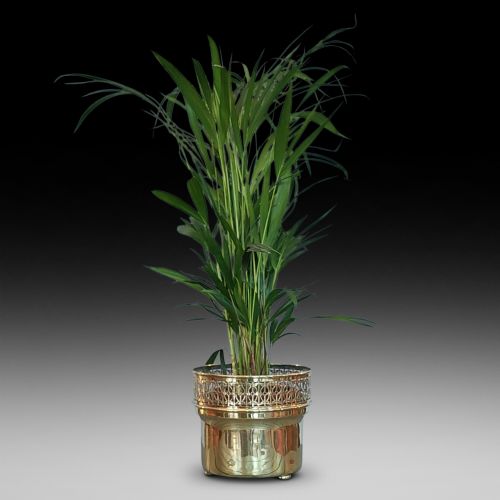
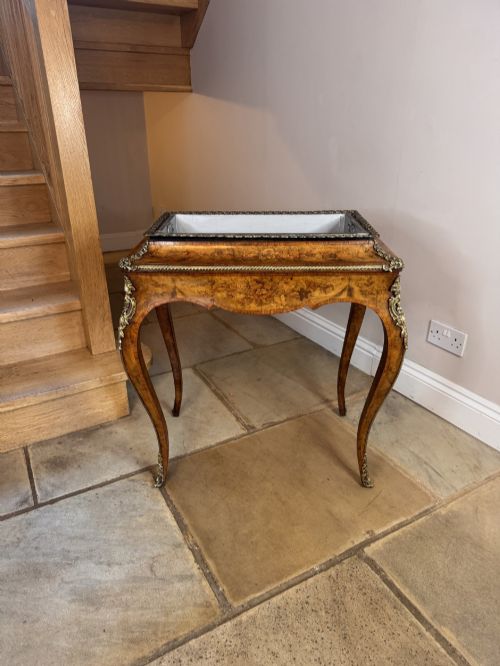

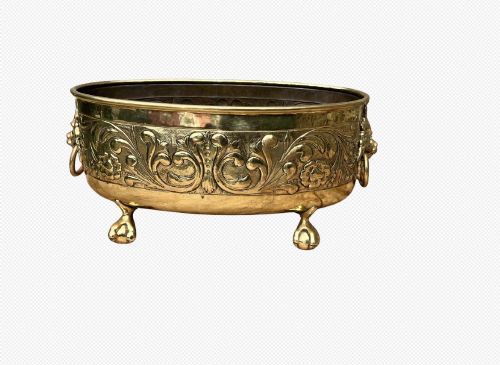
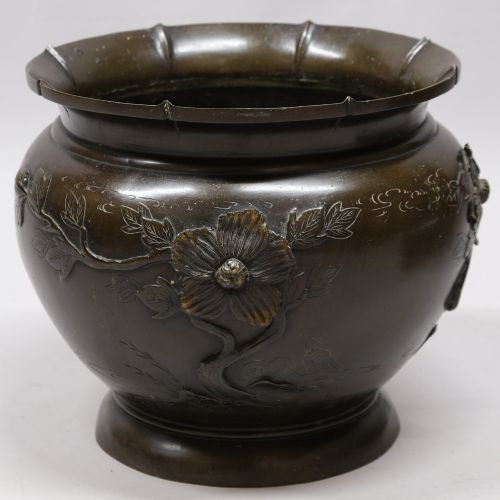


Metal Floral Planter
A metal floral planter brings botanical life indoors through enduring brass, bronze and copper vessels.
Metal Floral Planter
A metal floral planter serves as a robust and decorative vessel for holding plants and botanical arrangements inside the home. These pieces appear in forms ranging from compact desk pots and jardinieres to substantial log buckets and standing display tables.
The versions most commonly met on this page span the nineteenth century and Victorian eras, alongside distinct East Asian examples from the Meiji, Edo and Qing periods. Buyers encounter variations that incorporate specific regional aesthetics, such as French revival styling or intricate Chinese cloisonne work.
Makers and artisans utilised diverse object types including decorative bowls and specialised jardiniere tables to elevate everyday greenery into focal points of interior decoration. Each configuration reflects the specific domestic requirements and decorative tastes of its original period.
Materials and construction
Construction relies heavily on durable base metals such as brass, bronze and copper, often shaped through techniques like embossing and casting. Artisans formed robust vessels designed to contain moisture while displaying sculptural qualities on the exterior surface.
Some examples incorporate complex surface treatments including cloisonne enamel, gilt highlights and applied enamel work to add rich colour and pattern. Other pieces integrate organic elements like hardwood and kingwood frameworks mounted with gilt metal fittings.
Metal Floral Planter Retail Price Guide 2026
Typical asking prices for metal floral planter among the pieces listed under this phrase on Sellingantiques today, from the lower quarter to the upper quarter. They describe what is for sale here now, not the wider market.
One remarkably heavy Chinese bronze bowl tips the scales at two and a half kilos, ready to anchor your heaviest ferns.
Judging quality and execution
Quality reveals itself in the crispness of embossed details, the weight of the cast metal and the precision of applied decorative elements like cloisonne wirework. Superior examples display balanced proportions and harmonious integration between metal bodies and secondary materials such as timber stands.
The sophistication of the surface finish and the clarity of period stylistic markers distinguish finer pieces from standard production. Artisanal execution in chasing and finishing elevates the character of the vessel significantly.
The Metal Floral Planter Glossary
- Jardiniere
- An ornamental pot or stand for holding flowers or plants, typically designed for indoor display. This term appears frequently across nineteenth-century European and Asian listings.
- Cloisonne
- A decorative metalwork technique where compartments are created on a metal surface by soldering flat metal wire, then filled with enamel paste and fired. This method produces vibrant, patterned surfaces visible on several Asian vessels.
- Dinanderie
- A medieval term revived to describe various objects made of hammered or worked brass and copper. It applies to decorative embossed planters produced in the early twentieth century.
- Meiji Period
- A Japanese historical era lasting from eighteen sixty-eight to nineteen twelve, noted for exceptional bronze casting and decorative metal arts. Pieces from this time show high technical mastery.
Metal Floral Planter: Frequently Asked Questions
What is a metal floral planter used for?
These vessels house potted plants, flowers or trailing greenery to bring botanical displays into interior spaces. They function both as practical waterproof containers and as decorative objects of art on tables and desks.
Larger versions also served specialised purposes like log storage near hearths or elevated display upon dedicated stands. Their robust metal construction allowed them to handle damp soil and heavy use safely.
How do I identify a Victorian metal planter?
Victorian examples often feature heavy copper or brass construction, sometimes with embossed detailing or specific period revivals like French Rococo styling. Look for characteristic weight, patination and manufacturing marks associated with nineteenth-century British workshops.
They frequently appear as bucket forms or mounted tables combining timber elements like kingwood with gilt metal mounts. Comparing the construction methods against documented nineteenth-century standards confirms the era.
What is the difference between a jardiniere and a planter?
A jardiniere typically refers to a more ornamental decorative bowl or pot intended to display flowering plants in a prominent room setting. Planter is a broader term that can include utilitarian buckets and functional holders alongside decorative vessels.
In historical listings, the two terms often overlap when describing ornate nineteenth-century metal containers. The distinction usually rests on the level of decorative surface work rather than basic function.
How do I care for antique metal planters?
Maintenance requires gentle cleaning to preserve the natural patination built up on bronze, brass and copper over centuries. Avoid harsh chemical polishes that strip away historical surface character and valuable age markers.
When using them for live plants, place a modern waterproof liner inside the vessel to protect the historic metal base from moisture damage. Regular dusting and occasional waxing for wood-mounted parts keep the materials stable.