




Metal Fireplace Log Store
A metal fireplace log store keeps hearth fuel dry and tidy while bringing tactile warmth to a room.
Metal Fireplace Log Store
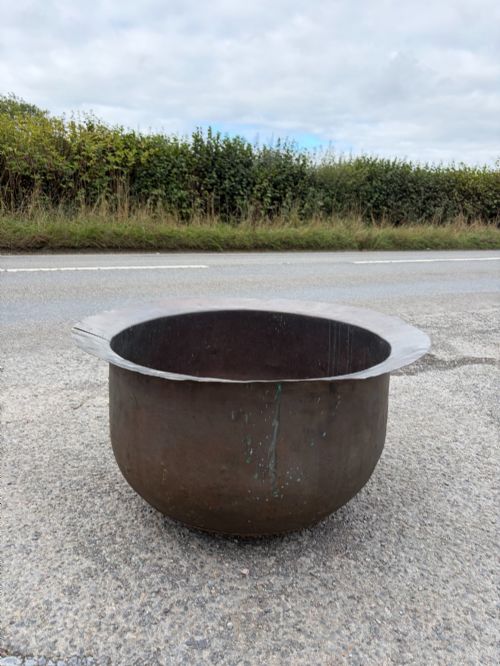
A metal fireplace log store gathers timber by the hearth, drawing on utilitarian forms like coal scuttles, industrial measures and agricultural buckets. These vessels shift smoothly from utility to display, offering a practical hold for kindling and logs beside an active grate.
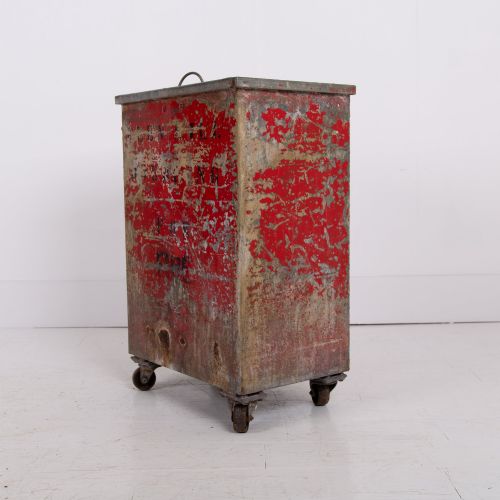
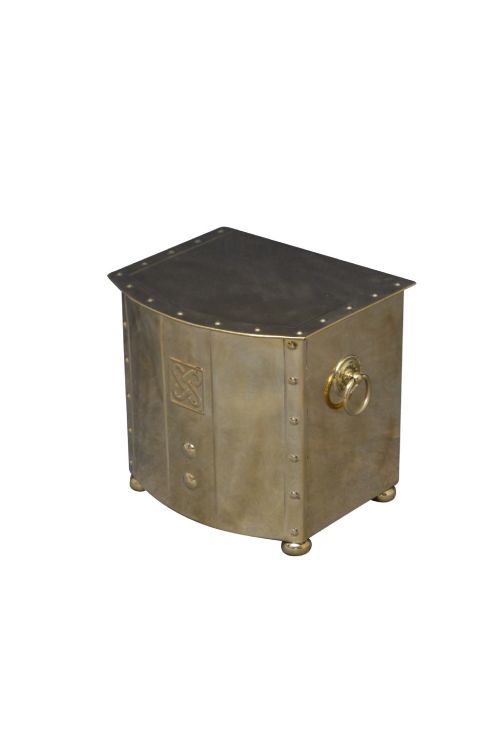
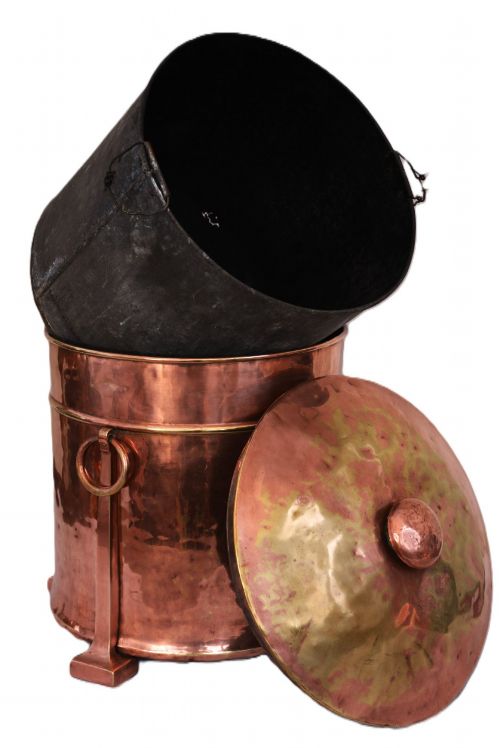
The pieces seen here span the nineteenth century into the 1930s, moving through Victorian, Edwardian, Arts and Crafts and industrial aesthetics. Copper, brass and iron dominate the selection, often taking circular or lidded bin forms designed for fireside containment.
Buyers most frequently encounter nineteenth-century copper buckets and brass coal boxes, alongside riveted industrial bins and wrought iron fuel keepers. These functional items double as sculptural objects, bringing varied metal tones into domestic interiors.
Materials and Construction
Coppersmiths and metalworkers shaped sheet copper and brass into cylindrical or shaped vessels, frequently joining seams with visible rivets for structural strength. Handles of iron or swung brass allowed heavy loads of fuel to be lifted safely.
Cast and wrought iron provided heavier framing for utilitarian bins and industrial measures, offering rigid durability by the hearth. Toleware and folk art barge wear introduced painted tin surfaces, whilst wooden elements occasionally supplemented metal frames.
Metal Fireplace Log Store Retail Price Guide 2026
Typical asking prices for metal fireplace log store among the pieces listed under this phrase on Sellingantiques today, from the lower quarter to the upper quarter. They describe what is for sale here now, not the wider market.
The selection includes object types ranging from log bins and coal buckets to planters, storage bins, and folk art barge wear.
Assessing Quality
Quality reveals itself in the weight of the metal and the integrity of the construction, from hand-beaten surfaces to tight riveting. Substantial gauge copper and brass resist denting and hold their circular form under daily use.
Artisanal touches distinguish finer pieces, particularly in the repoussé work of Arts and Crafts and Art Nouveau examples. The harmony between original swing handles, lids and feet dictates the character and enduring appeal of each vessel.
Richard Arkwright Masson Mills
The Metal Fireplace Log Store Glossary
- Coal Scuttle
- A metal container designed for holding and carrying coal to a fire. These often feature a hinged lid and a slanted opening for easy scooping.
- Toleware
- Lacquered or enamelled metalware, frequently decorated with hand-painted folk art scenes. It provides durable colour and pattern in domestic settings.
- Repoussé
- A metalworking technique where the artisan hammers metal from the reverse side to form a raised design in relief. This ornamentation appears frequently on Arts and Crafts pieces.
- Wrought Iron
- Iron that has been heated and hammered into shape by hand, resulting in a fibrous structure and high tensile strength. It forms sturdy baskets and fuel keepers.
Metal Fireplace Log Store: Frequently Asked Questions
What is a metal fireplace log store?
A metal fireplace log store is a durable vessel designed to hold firewood and kindling near a hearth. These containers keep fuel contained and debris off the floor while adding texture to a room.
Originating as coal buckets, scuttles, and industrial measures, these pieces repurpose utilitarian metalwork for modern fireside organisation.
How do I clean a copper log bin?
Copper requires gentle cleaning to preserve its historic surface and warm tone. Warm soapy water and a soft cloth remove everyday dust without disturbing the metal.
Avoid harsh abrasives or heavy chemical polishes that strip away the character developed over decades of use.
Were these bins originally for logs?
Many pieces designed in the nineteenth and early twentieth centuries served primarily for coal or household fuel storage rather than logs. Their robust metal construction and generous proportions make them well-suited for modern firewood.
Industrial measures and garden planters also cross over into fireside use due to their capacity and durable materials.
How do I date an antique log bin?
Dating relies on materials, manufacturing techniques, and stylistic markers such as Arts and Crafts hand-beating or Victorian brass mounts. Riveting patterns and handle attachments also offer clear clues to the period of production.
Comparing the form against documented styles from the nineteenth century through the 1930s helps narrow down the origin.