


Metal Fire Curb
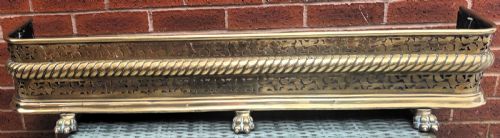
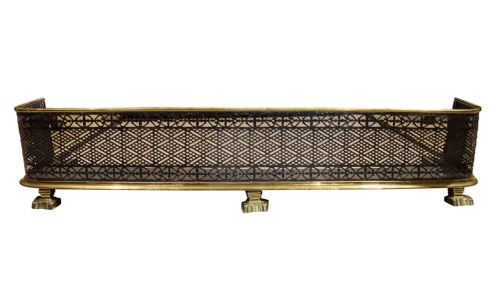
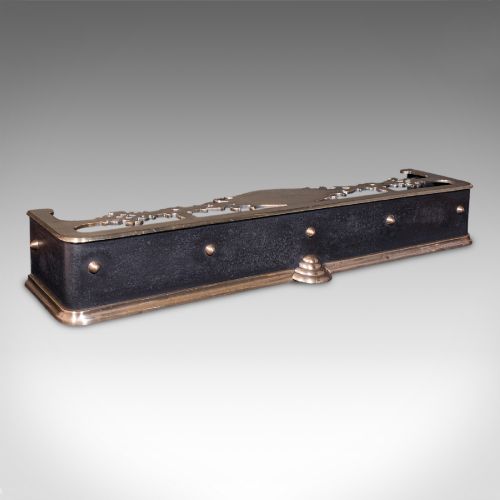
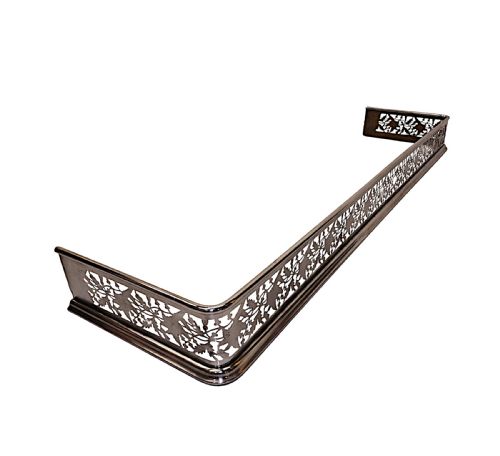
A metal fire curb guards the hearth, combining practical room protection with the period character of brass, steel, and copper.
Metal Fire Curb
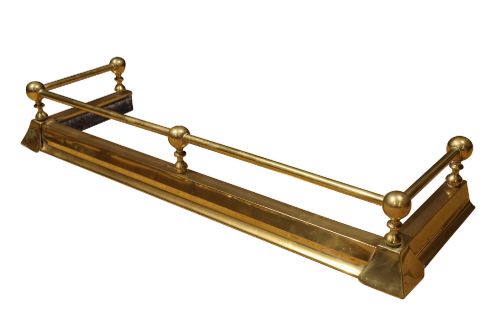
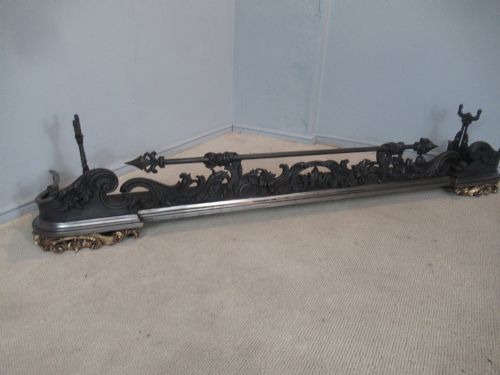
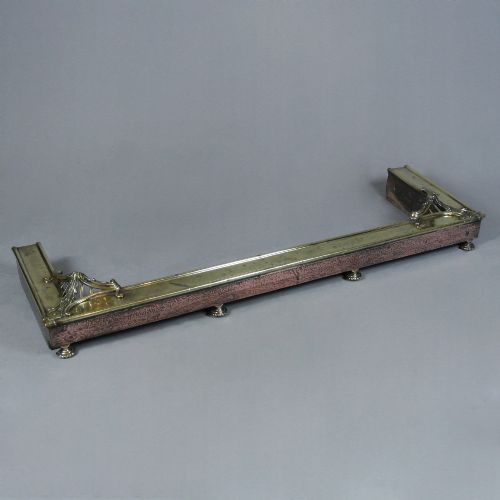
A metal fire curb, also termed a fender, sits directly on the hearth to contain stray embers and frame the fireplace opening. These hearth accessories appear in forms ranging from simple linear rails to serpentine fronts and heavy industrial styles.
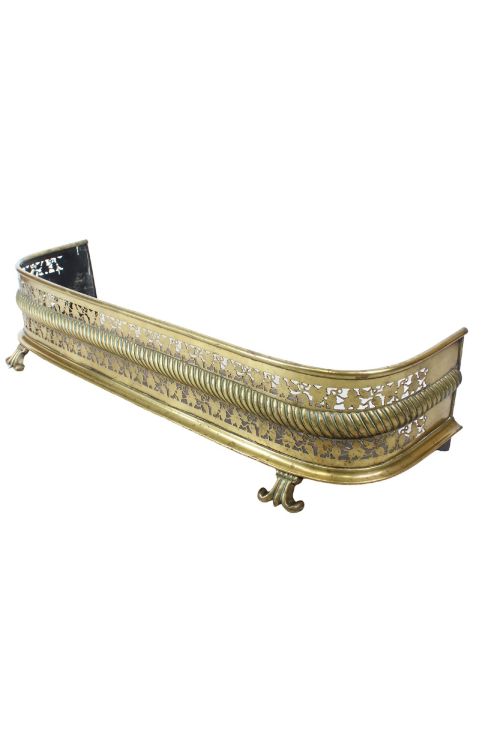
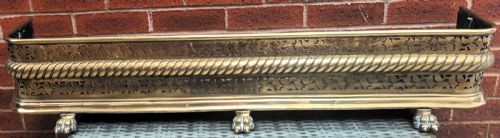
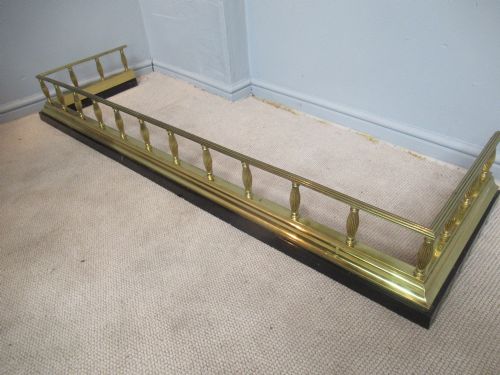
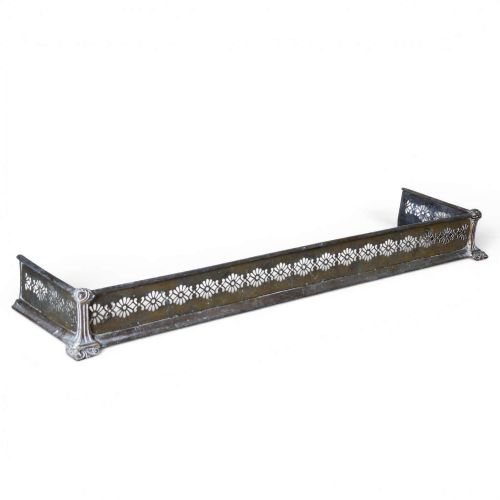
Victorian and Georgian examples dominate the selection, offering everything from pierced brass galleries to austere burnished steel frames. Buyers searching for a metal fire curb will encounter various combinations of brass, iron, and copper suited to period fireplaces.
Materials and construction
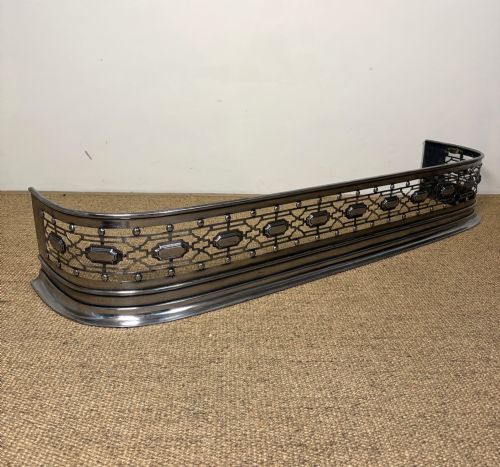
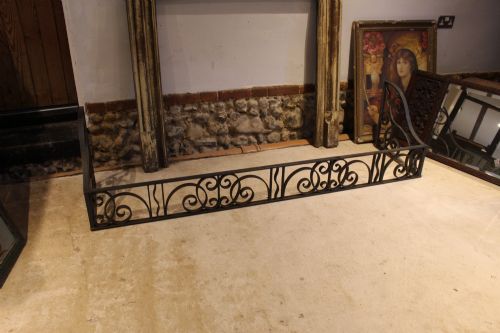
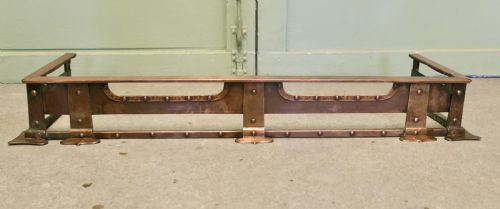
Blacksmiths and metalworkers shaped these pieces from cast iron, wrought iron, and steel, often pairing them with bright brass mouldings or copper panels. Many Victorian and Edwardian examples utilise pierced sheet metal, riveted joints, and applied decorative patera.
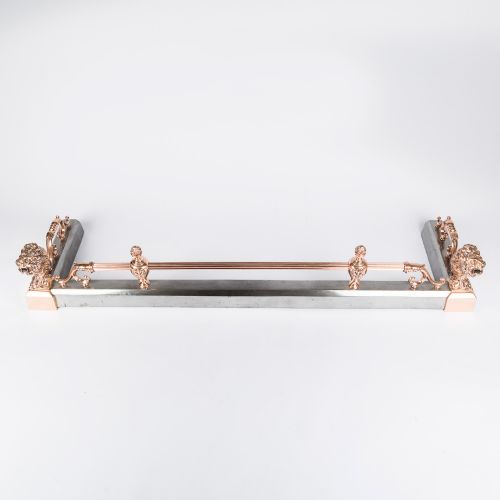
Polished steel surfaces provide a bright reflective finish, while beaten copper elements reflect the hand-worked ideals of the Arts and Crafts movement. Heavy cast iron and structural steel sections offer the necessary weight to anchor the hearth framework firmly in place.
Metal Fire Curb Retail Price Guide 2026
Typical asking prices for metal fire curb among the pieces listed under this phrase on Sellingantiques today, from the lower quarter to the upper quarter. They describe what is for sale here now, not the wider market.
Listings span the Georgian, Victorian, and Edwardian periods, utilising brass, copper, and polished steel in various hearth configurations.
Factors affecting quality
The distinction between ordinary production and superior work lies in the crispness of the piercing, the weight of the metal gauge, and the subtlety of decorative details like engraved mouldings or cast brass mounts. Finer pieces demonstrate careful hand-finishing on joints and decorative motifs rather than purely mechanical assembly.
Original patination and structural integrity separate well-preserved examples from heavily restored or compromised items. Thick-gauge steel and substantial brass castings retain their form and visual depth far better than thin, lightweight alternatives.
The Metal Fire Curb Glossary
- Fender
- A low metal guard placed around the hearth to keep burning coals from rolling onto the floor. It functions as both a safety barrier and a decorative boundary for the fireplace.
- Serpentine
- A gently curving front outline shaped in a wave pattern. This contour appears frequently on finer Georgian and Regency steel curbs.
- Pierced
- Sheet metal decorated by cutting decorative patterns or fretwork through the surface. Victorian brass curbs often utilise this technique to lighten heavy visual masses.
- Patera
- A circular ornamental bas-relief resembling a classical libation dish. These motifs decorate the corners or centres of many Victorian copper and brass fenders.
- Chenet
- A French term for an andiron used to support logs in a hearth. Some configurations include chenets alongside the main curb structure.
Metal Fire Curb: Frequently Asked Questions
How do I measure for a fire curb?
Measure the width and depth of your hearth stone carefully to ensure the outer dimensions of the curb fit the space without overhanging. Leave adequate clearance for any fire tools or hearth accessories you plan to use nearby.
Take into account the projection of the fireplace surround itself so the curb aligns properly with the mantel pillars or outer brickwork.
Can I polish steel and brass curbs?
Polishing depends entirely on the desired finish and the presence of protective lacquers or historic patination. Gentle cleaning with appropriate metal creams maintains brightness on polished steel.
Avoid aggressive abrasive cleaning on antique copper or brass surfaces that have developed a dark, attractive oxidation over decades of use.
Are these curbs suitable for modern fires?
Metal curbs function effectively around gas log inserts, electric hearths, and traditional solid fuel grates alike. They primarily serve to define the hearth boundary and catch stray embers from open fires.
Ensure the internal width accommodates your specific fire grate or hearth opening before final placement on the floor.
How do I date an antique metal curb?
Dating relies on observing manufacturing techniques, material choices, and stylistic markers such as Art Nouveau whiplash lines or Georgian serpentine proportions. Hand-beated copper panels usually point towards the Arts and Crafts era, while heavy pierced brass work frequently indicates the Victorian period.
Examine the construction joints, fixings, and overall wear patterns to distinguish between eighteenth-century forge work and later nineteenth-century factory production.