

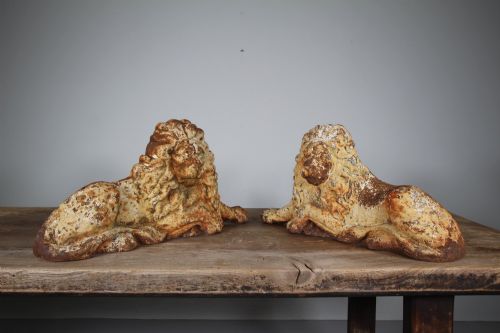
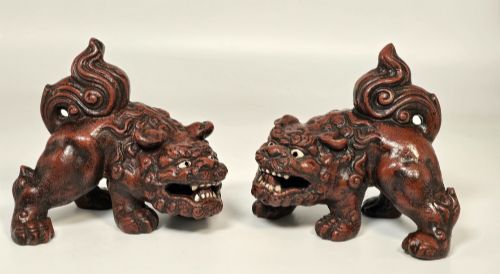
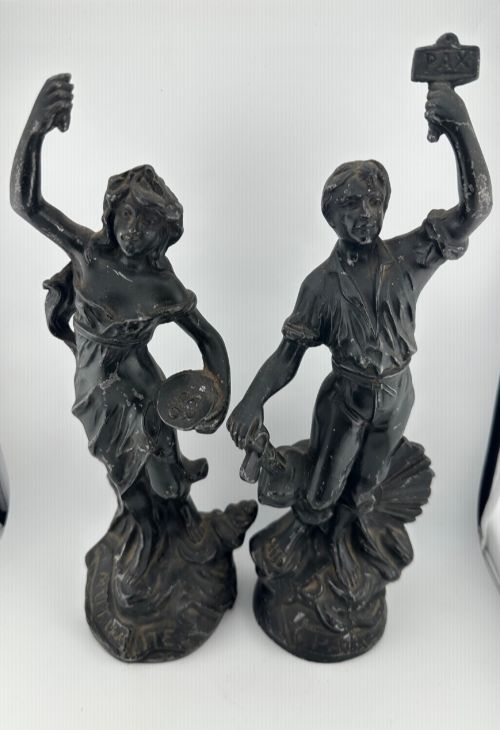
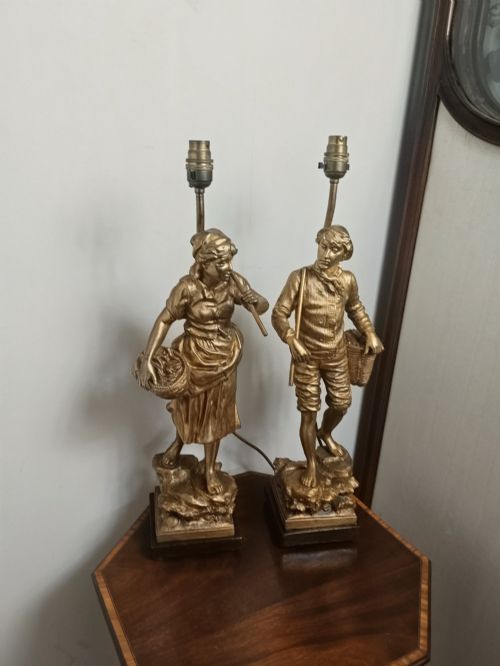
Metal Figure Pair
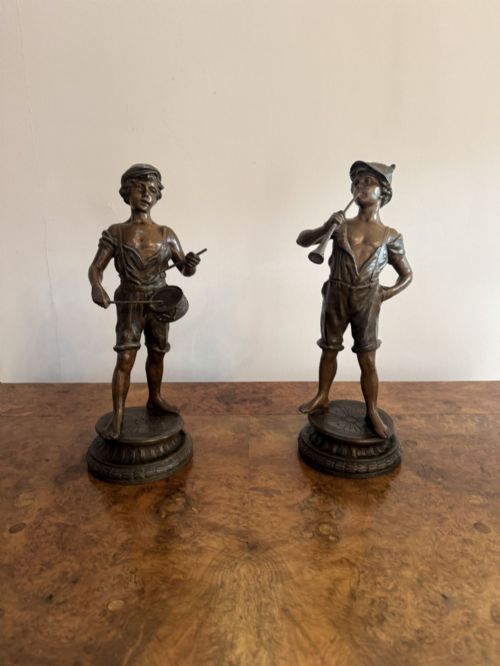
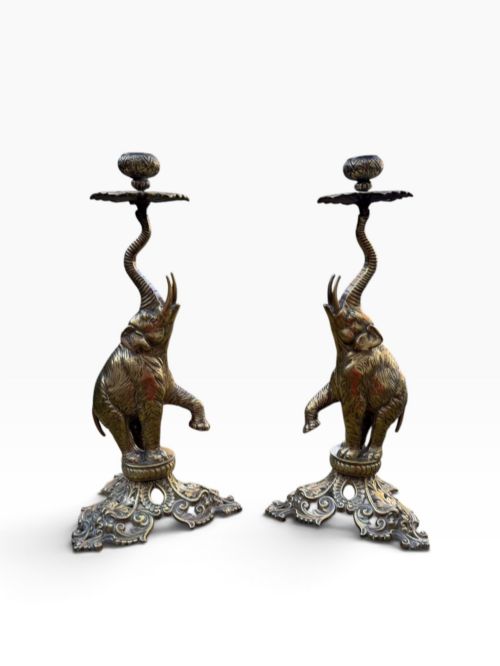
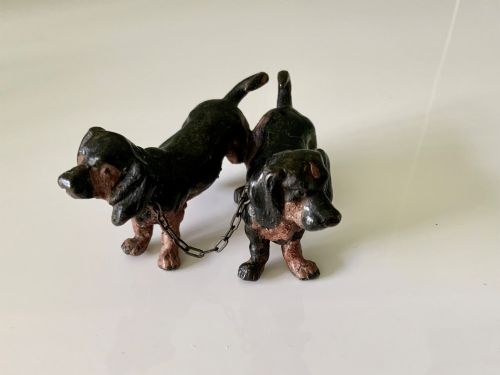
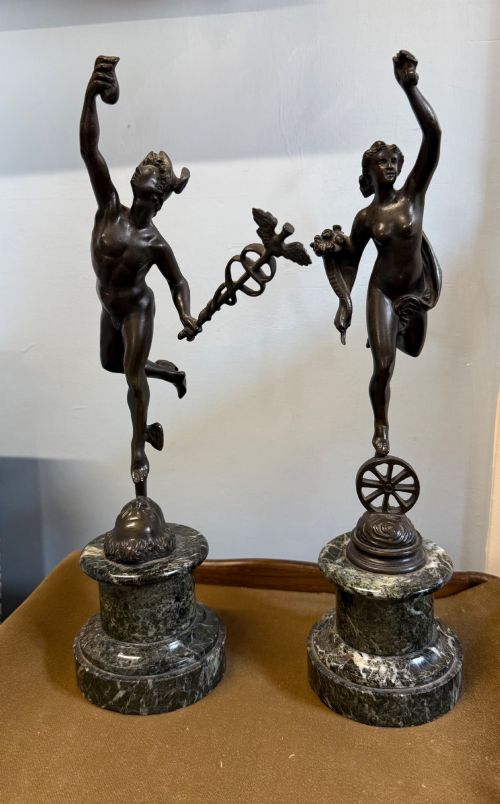
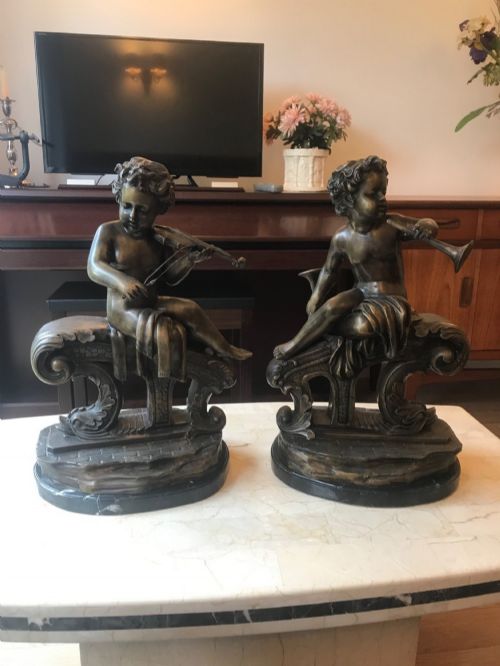
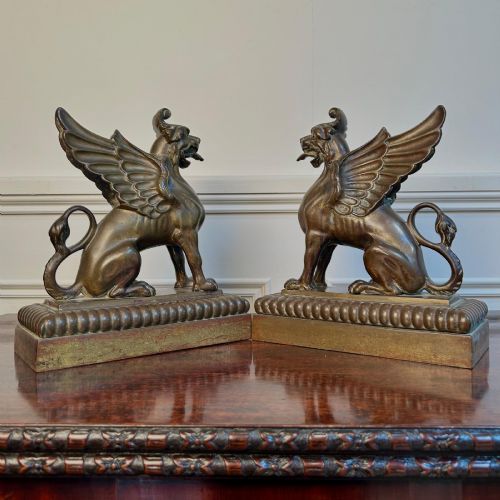
These metal figure pair options bring balanced sculptural presence to a room, ranging from classical allegories to animal studies cast in bronze and spelter.
Metal Figure Pair
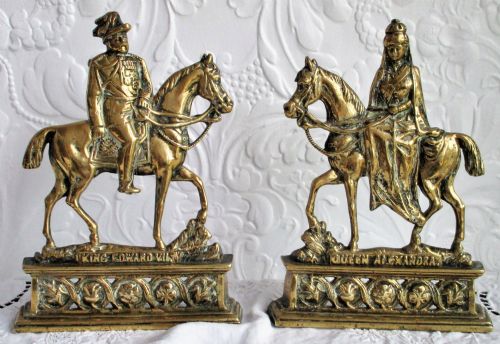
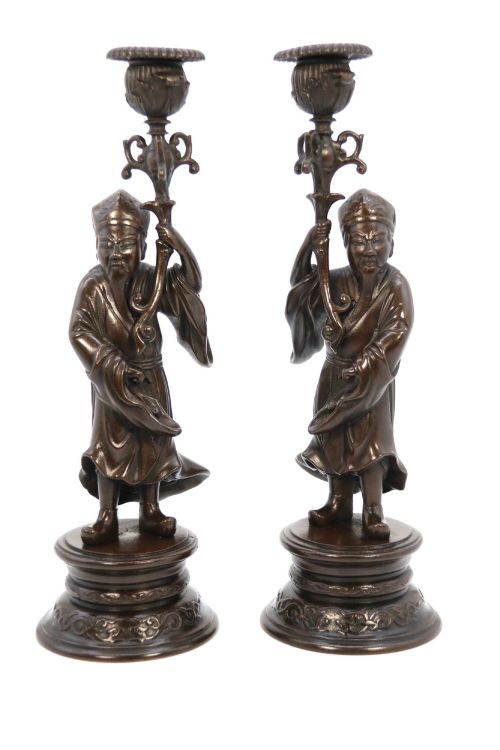
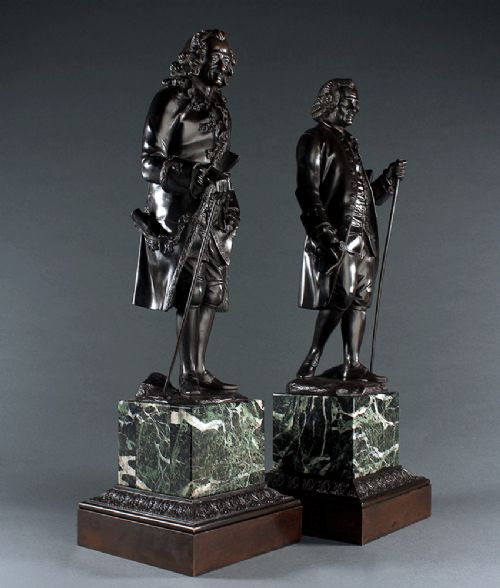
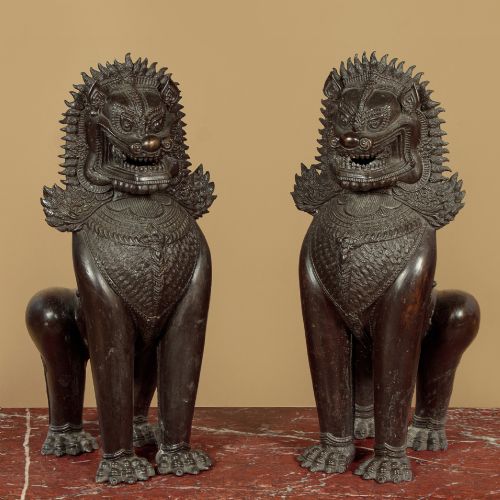
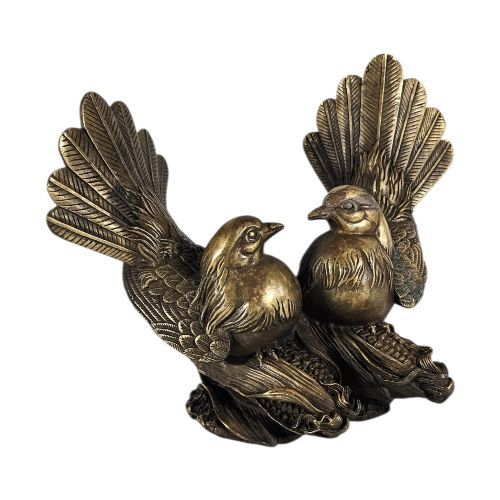
A metal figure pair comprises matching sculptural works designed to balance a mantelpiece, table, or sideboard. The selections span the nineteenth century through the art deco era, encompassing French allegories, Chinese export animals, and classical figures.
Most examples meet on this page take the form of spelter or bronze candlesticks, bookends, and decorative statues. Victorian and Edwardian makers produced these duos extensively for domestic display, utilising diverse stylistic influences from neoclassical to chinoiserie.
Materials and Casting
Foundry methods rely primarily on bronze and spelter, often enhanced with gilt, cold-painted details, or mounted upon marble and wood bases. Cast iron and brass also appear frequently, particularly in heavy utilitarian forms such as doorstops and fire dogs.
Finishes range from dark patination to elaborate ormolu and gilding. Artisans frequently combined metal casting with secondary materials like alabaster and porcelain to create complex figural lamps and candelabra.
Metal Figure Pair Retail Price Guide 2026
Typical asking prices for metal figure pair among the pieces listed under this phrase on Sellingantiques today, from the lower quarter to the upper quarter. They describe what is for sale here now, not the wider market.
Listings feature a strong representation of nineteenth-century French foundry work alongside English cast lead and Chinese export bronzes.
Execution and Detail
Material composition heavily dictates longevity and weight, with solid bronze and heavy ormolu mounts commanding greater substance than lighter white metals or basic cast iron. The integrity of the original patination and the absence of clumsy repairs define the upper tier of surviving examples.
E Rousseau·Emile-Coriolan Guillemin·Fabergé
The Metal Figure Pair Glossary
- Spelter
- A zinc alloy commonly utilised as an economical alternative to bronze in nineteenth-century figural casting. It typically receives a bronze-toned or painted finish.
- Ormolu
- Gilt bronze produced by applying a finely ground high-carat gold mercury amalgam to a bronze base. This technique creates a rich golden lustre characteristic of French decorative arts.
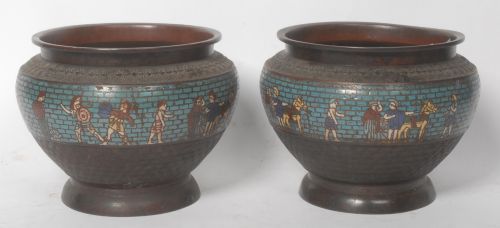
- Champlevé
- An enamelling technique where troughs are carved into the metal surface and filled with vitreous paste before firing. It appears on decorative bronze cachepots and vessels.
- Cold-painted
- A method of applying non-fired paint to metal surfaces, frequently seen on Viennese bronze animal figures and figural candlesticks.
Metal Figure Pair: Frequently Asked Questions
How do I clean antique bronze figures?
Dust gently with a soft, dry brush to prevent the accumulation of grit in recessed crevices. Avoid commercial metal polishes, which strip historical patination and damage the underlying surface.
Apply a very thin coat of microcrystalline wax if the metal requires protection from atmospheric moisture. Buff lightly with a clean cloth to maintain a stable finish without creating an artificial shine.
Are spelter figures fragile?
Spelter is a softer and more brittle alloy than bronze, meaning slender extremities and protruding details require careful handling. Moving these pieces demands secure support beneath the base rather than lifting by arms or instruments.
Display them away from areas of high vibration or heavy traffic to prevent accidental tipping. Stable placement preserves the structural integrity of the casting over time.
How do I distinguish bronze from spelter?
Bronze possesses a heavier weight and a resonant sound when lightly tapped, whereas spelter feels lighter and sounds more muted. Examining any abrasions or the underside reveals a silvery-grey metal beneath the surface of spelter.
Bronze naturally ages to a warm brown or green patina without flaking the underlying metal. Spelter frequently shows bubbling or cracking in the applied surface paint where the zinc alloy has reacted.
Where should I display figural pairs?
Symmetrical placement works best on mantelpieces, flanking a central mirror, or at opposite ends of a long sideboard. This arrangement honours the original decorative purpose of balancing visual weight in a room.
Keep them out of direct, intense sunlight to protect cold-painted finishes and delicate patinas from fading. Stable indoor humidity also prevents corrosion on vulnerable metal surfaces.