

Metal Ceiling Light
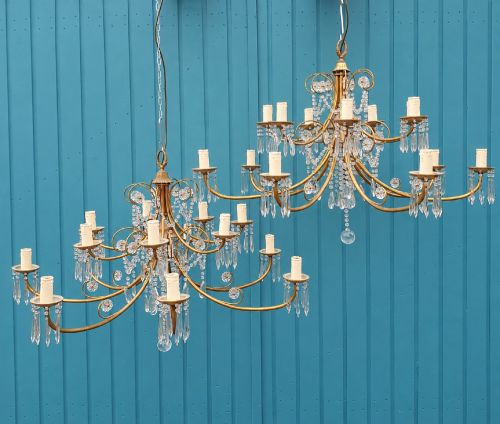
These metal ceiling light fixtures bring period character to a room, combining brass, bronze and iron with glass and crystal.
Metal Ceiling Light
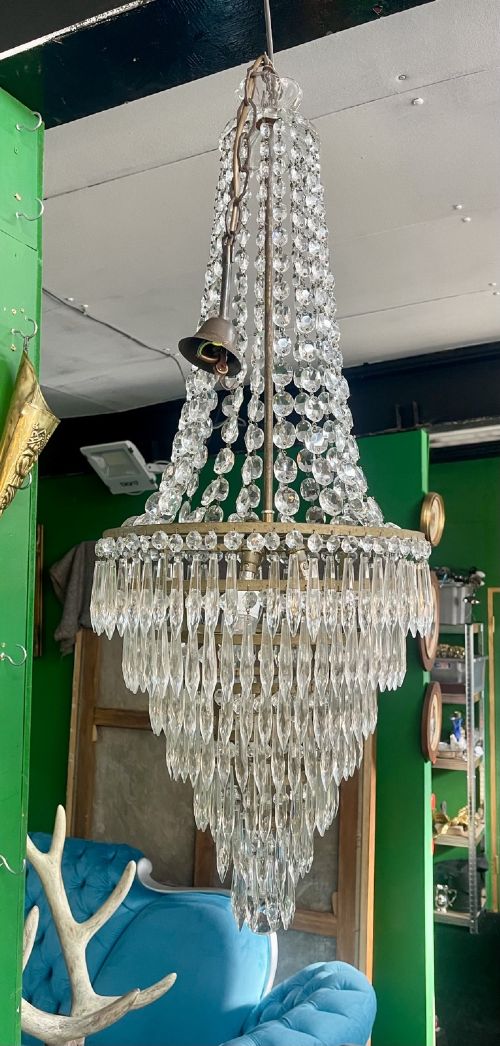
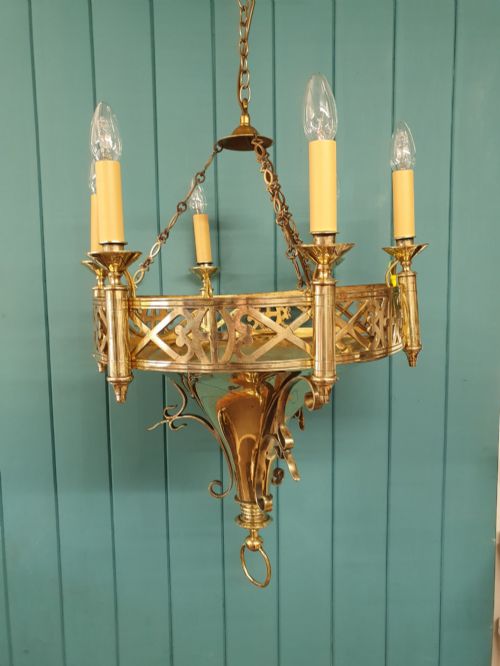
A metal ceiling light encompasses various forms designed to hang from above, including chandeliers, pendant lights, hall lanterns and flush plafonniers. These fixtures originate from the Victorian and Edwardian eras through to the 1920s and 1930s, spanning styles such as French Rococo, Empire Revival, Art Deco and Gothic Revival.
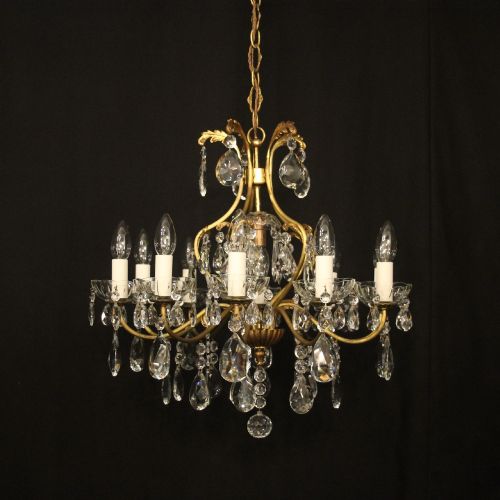
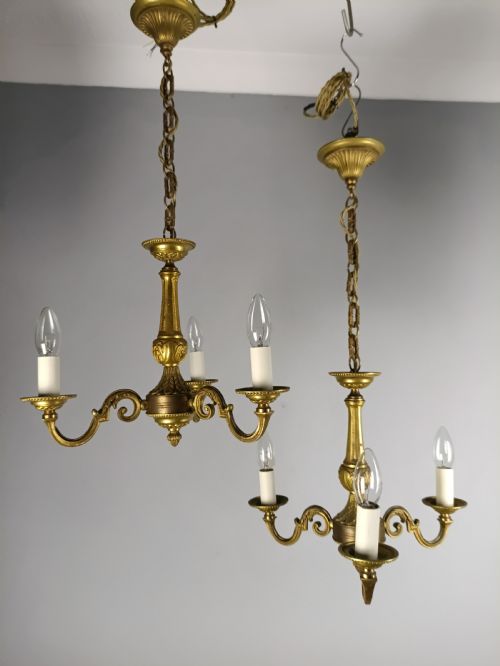
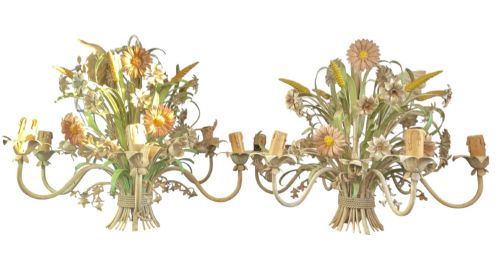
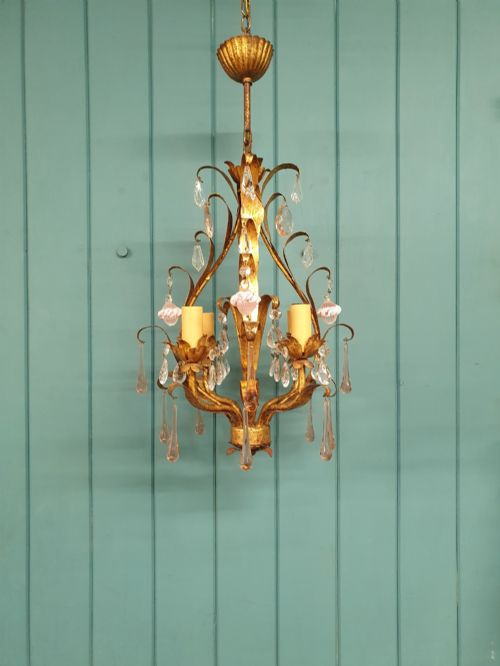
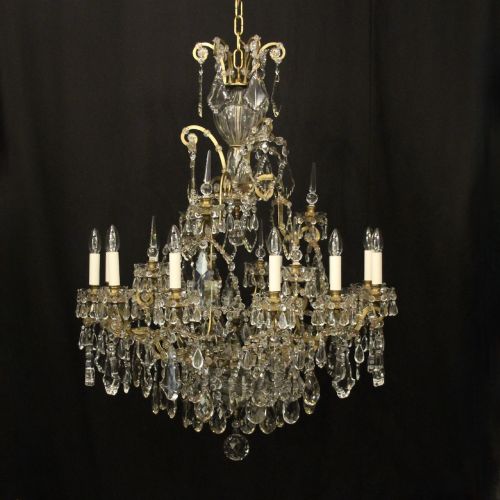
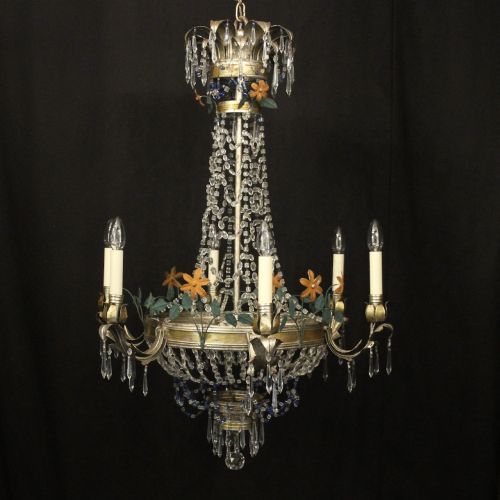
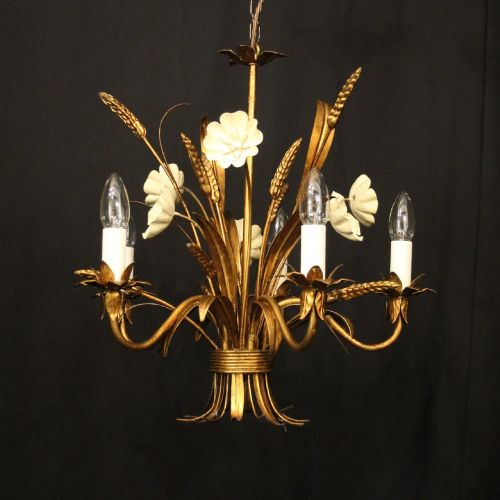
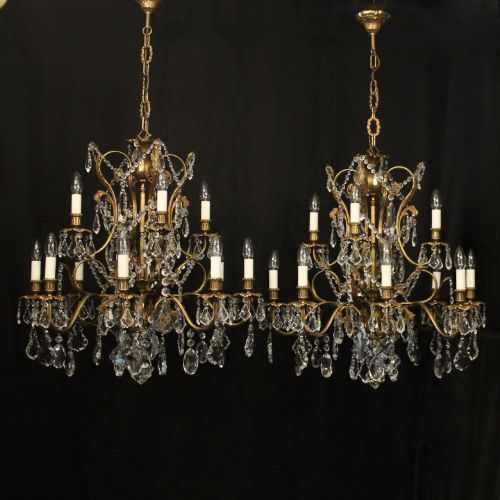
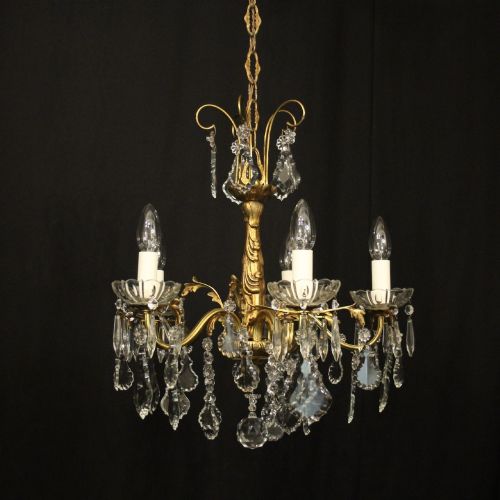
The selections available lean heavily toward French and Italian designs, particularly multi-light gilded bronze and brass chandeliers adorned with crystal drops. Buyers will also encounter specialised forms like copper lanterns, toleware fixtures with ceramic flowers, and architectural salvage pieces such as cast iron ceiling roses.
Materials and Construction
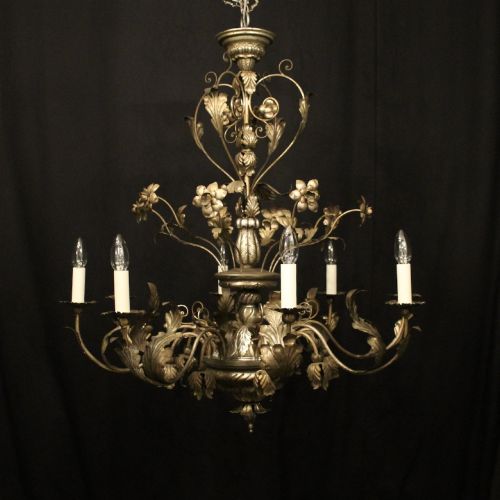
The structural framework relies on cast and forged metals including brass, bronze, copper, wrought iron and cast iron, often enhanced with gilt, silver or painted finishes. Metal components are joined to hold glass shades, hand-blown bullseye panes or toleware decorative elements.
Crystal and cut glass elements dangle from frames using wire ties or pins, forming cascades, tent-and-waterfall patterns and birdcage structures. Applied details such as porcelain flowers, spelter cherubs and stamped brass ornamentation complete the assembly of these hanging lights.
Metal Ceiling Light Retail Price Guide 2026
Typical asking prices for metal ceiling light among the pieces listed under this phrase on Sellingantiques today, from the lower quarter to the upper quarter. They describe what is for sale here now, not the wider market.
Listings feature metal ceiling lights spanning the Victorian and Edwardian periods, 1910, 1920, 1930, and the 19th century.
Gradations in Quality
Quality shows in the crispness of metal casting and the depth of the gilding or patination applied to the brass, bronze and iron frames. Superior pieces demonstrate meticulous hand-chasing on metal mounts and incorporate heavy, high-grade cut crystal rather than pressed glass.
The structural integrity of the frame and the quality of secondary elements, such as hand-blown bullseye panes or individually modelled porcelain flowers, distinguish standard production from finer workshop output. Original components and unified design schemes elevate the standing of a fixture.
Charles Schneider·VESTARAY
The Metal Ceiling Light Glossary
- Plafonnier
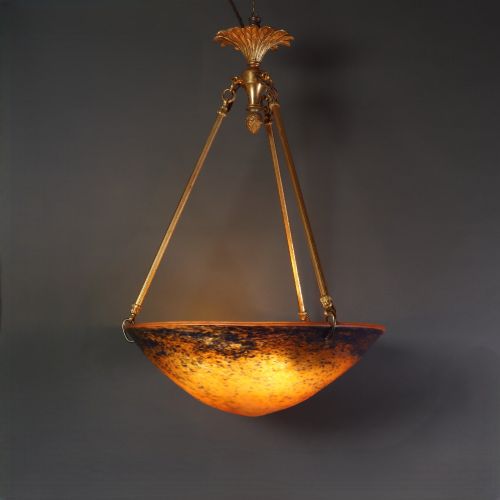
- A flush-mounted ceiling light or bowl shade placed directly against the ceiling. These fixtures often utilise moulded or slip-shade glass associated with the Art Deco period.
- Toleware
- Painted or lacquered sheet metal items used for decorative leaves, flowers and body components on certain continental light fixtures. This technique introduces polychrome colour to the metalwork.
- Spelter
- A zinc alloy frequently cast into figural ornaments like cherubs and mounts before being given a gilt finish. It serves as a lighter alternative to bronze in decorative accents.
- Hall Lantern
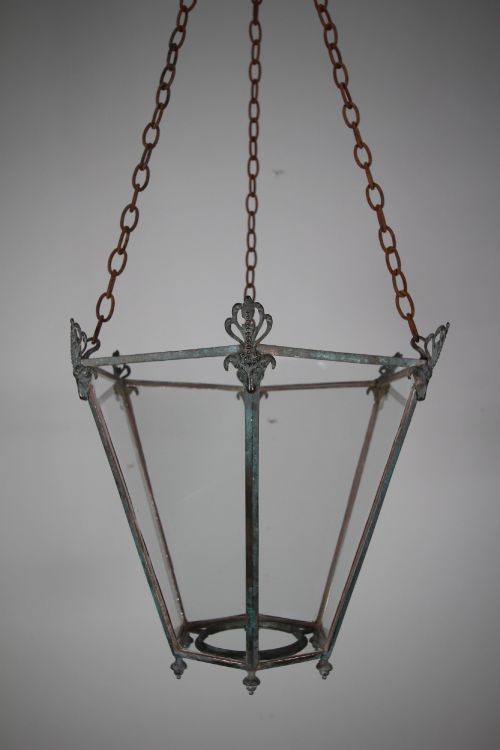
- An enclosed hanging light designed specifically for entranceways and corridors, typically featuring glazed panels set within a brass, copper or bronze framework.
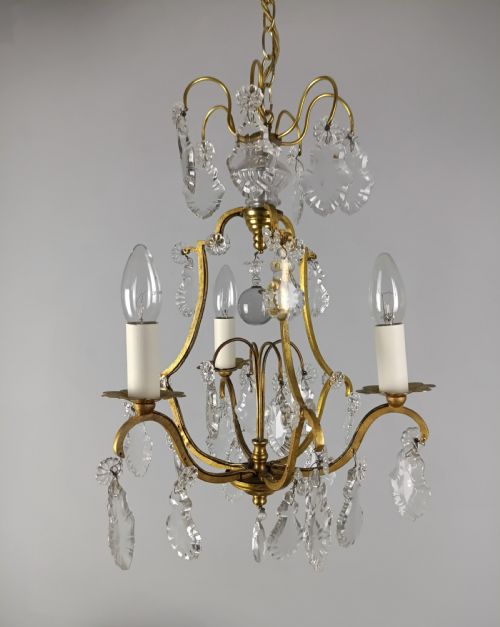
- Birdcage Chandelier
- A lighting form defined by curved metal straps creating an open skeletal frame resembling a birdcage, heavily hung with glass crystals.
Metal Ceiling Light: Frequently Asked Questions
How do I hang a heavy antique chandelier safely?
Suspension requires fixing directly into the ceiling joist or using a heavy-duty pattress box capable of supporting the combined weight of the metal frame and crystal elements. Professional electrical installation ensures the internal wiring meets current safety standards.
Weight distribution matters greatly for large brass and bronze fixtures. A qualified electrician should assess the ceiling structure before mounting any substantial multi-light fixture.
What rooms suit a hall lantern?
Hall lanterns work well in entryways, corridors and stairwells where an enclosed light source directs illumination downward and protects the bulb from drafts. Their compact vertical profiles fit narrow spaces effectively.
The glazed panels diffuse light evenly, creating a welcoming glow in transition areas of a home. They pair easily with traditional or eclectic interior schemes.
How do I clean crystal drops on a vintage light?
Cleaning involves removing individual glass and crystal drops where possible and washing them in lukewarm water with mild soap. Rinsing them thoroughly and drying with a lint-free cloth restores their sparkle without damaging the attachment wire.
Leaving the metal frame intact while cleaning suspended drops prevents structural damage. A soft brush removes dust from intricate brass and bronze crevices.
How do I identify an Art Deco ceiling light?
Art Deco fixtures typically feature geometric lines, stylized motifs and moulded glass shades such as slip shades or plafonniers. Materials like chromium, brushed brass and frosted glass dominate this aesthetic.
Dating relies on the characteristic forms of the 1920s and 1930s, moving away from ornate Victorian ornamentation toward streamlined industrial and modernist shapes.