


Metal Cane Holder Stand
A metal cane holder stand organises hallway entries with utilitarian strength and decorative presence.
Metal Cane Holder Stand
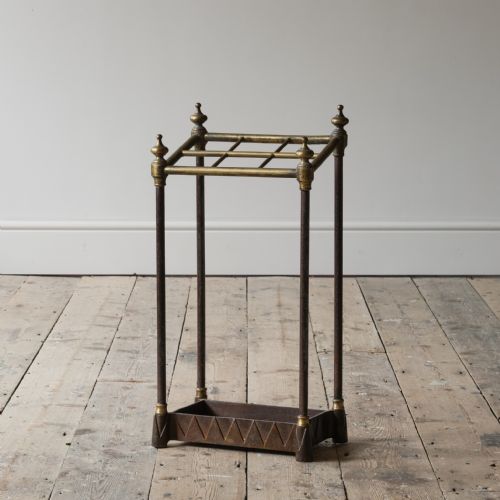
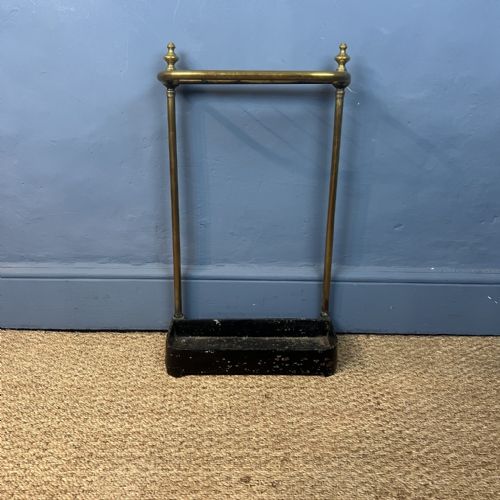
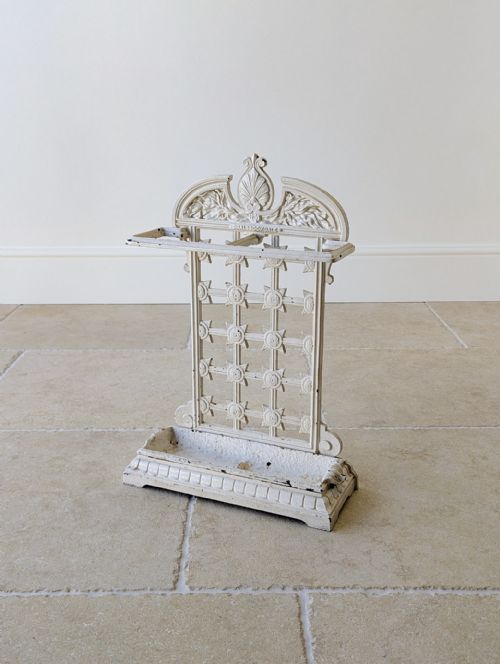
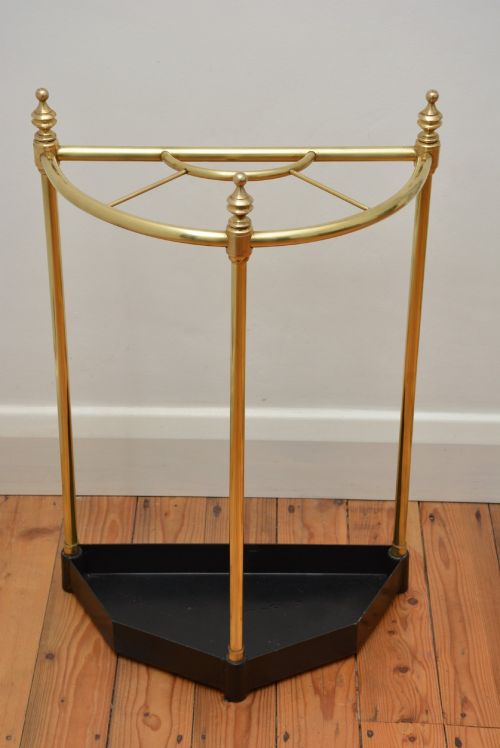
A metal cane holder stand serves as a functional hallway receptacle for walking sticks, umbrellas, and parasols. These pieces originate predominantly from the nineteenth and early twentieth centuries, spanning Victorian, Edwardian, and Art Deco periods.
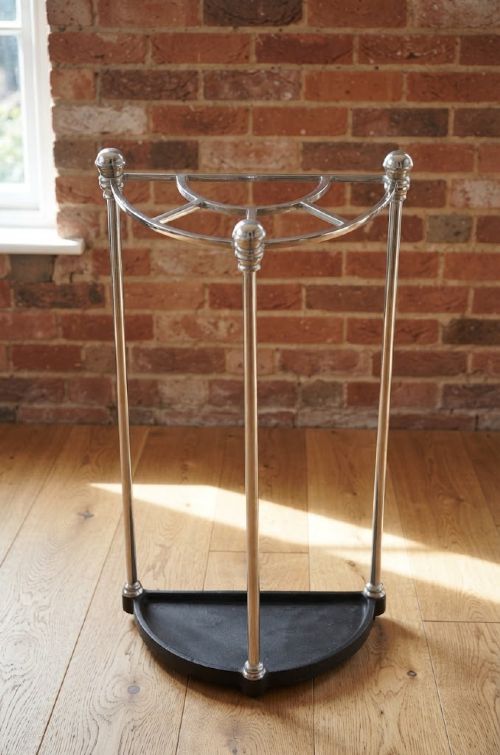
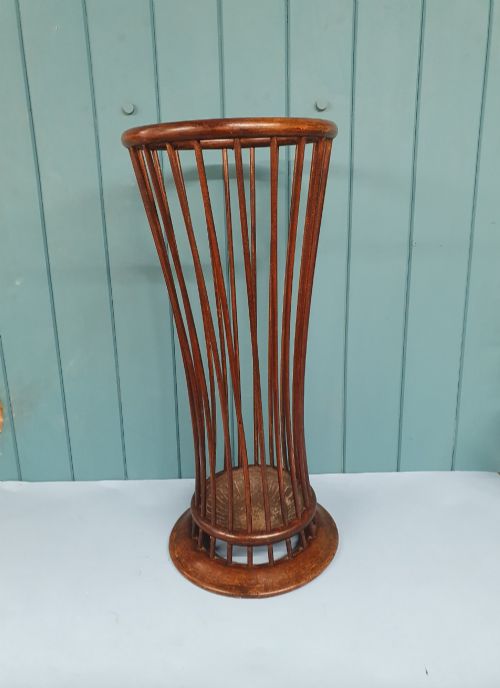
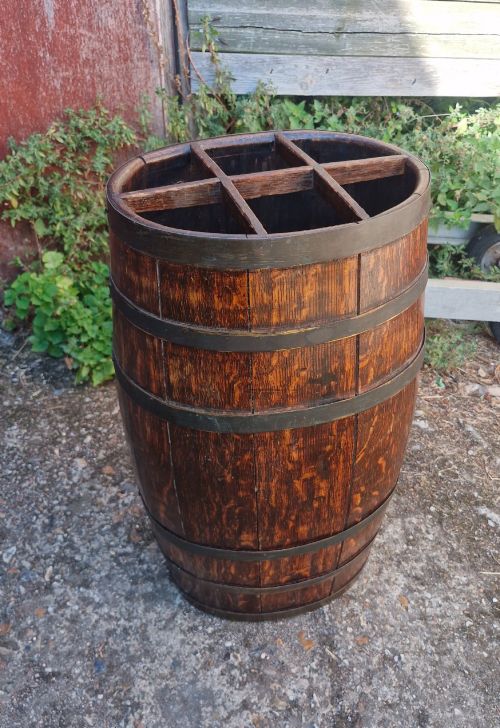
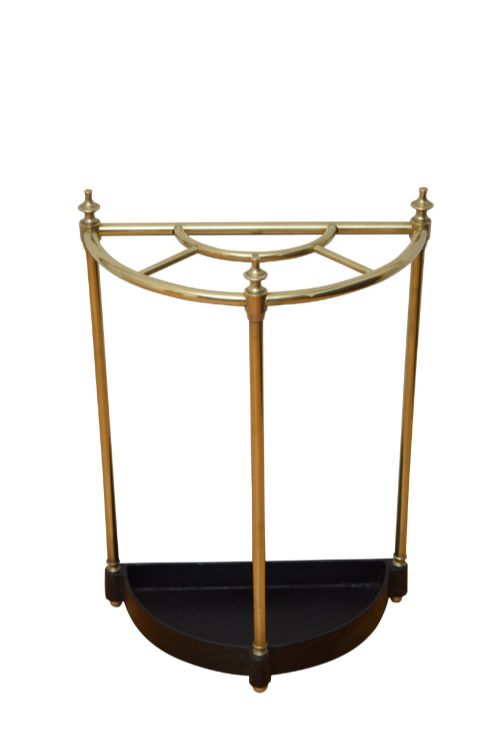
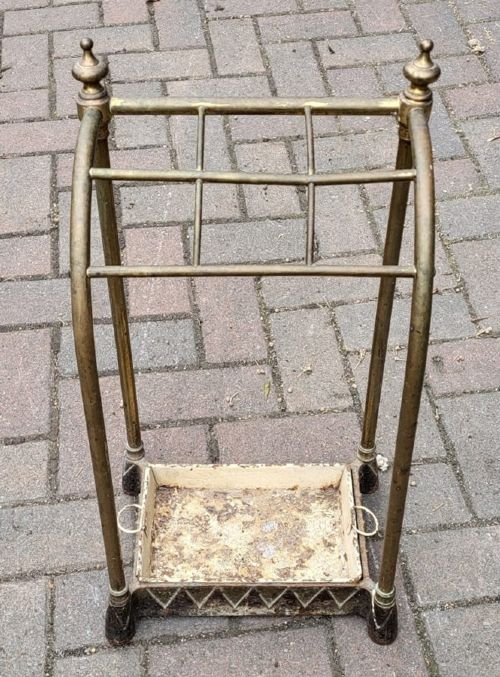
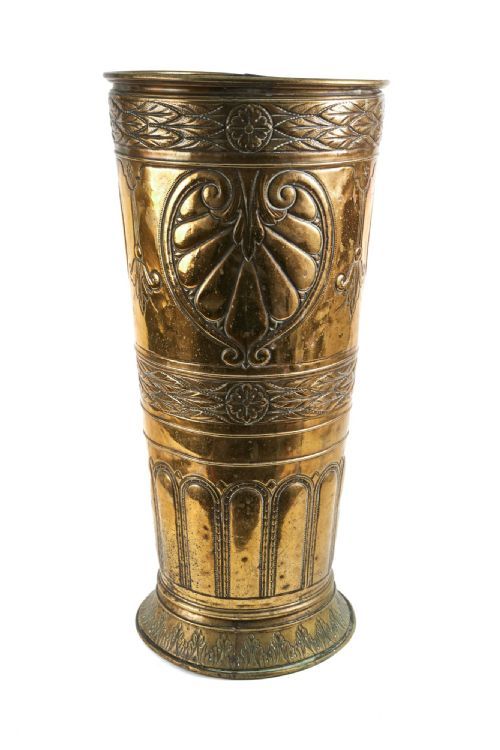
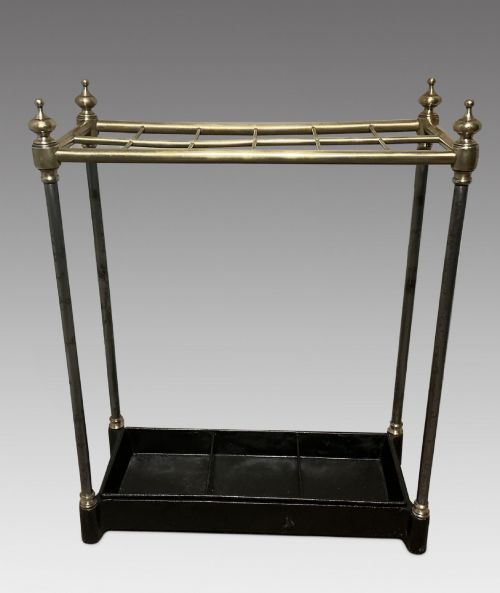
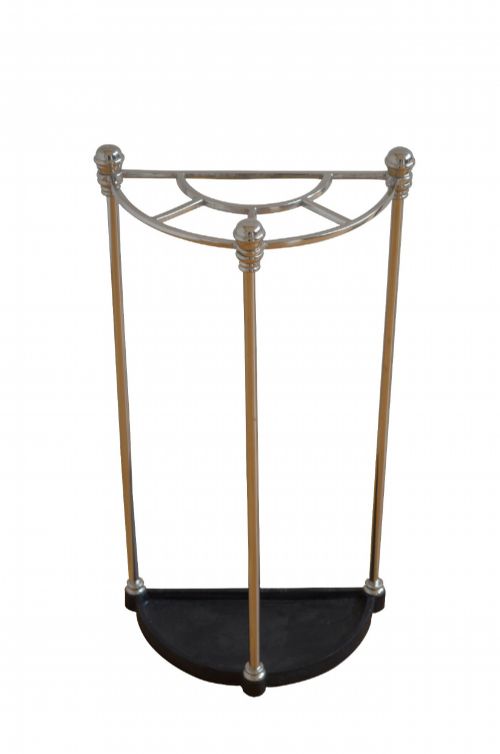
The objects appear in various configurations including demi-lune, half-moon, and barrel forms designed to stand flush against hallway walls. Materials frequently combine heavy cast iron frameworks with brass loops, copper panels, and accompanying metal drip trays.
Makers utilised durable metals to withstand wet umbrellas and heavy walking canes in busy domestic entrances. Surviving examples reflect regional British, French, Belgian, and Dutch production methods from the period.
Distinguishing quality and craftsmanship
Quality rests in the weight and crispness of the cast iron or brass components, where deep relief casting and defined decorative motifs signal superior manufacture. Maker attributions and stamped foundry numbers elevate a piece beyond standard utilitarian production.
The presence of original fitted metal drip trays indicates completeness, as these components frequently separate or decay over decades of use. Structural integrity in the joints of mixed-material stands determines durability and long-term utility.
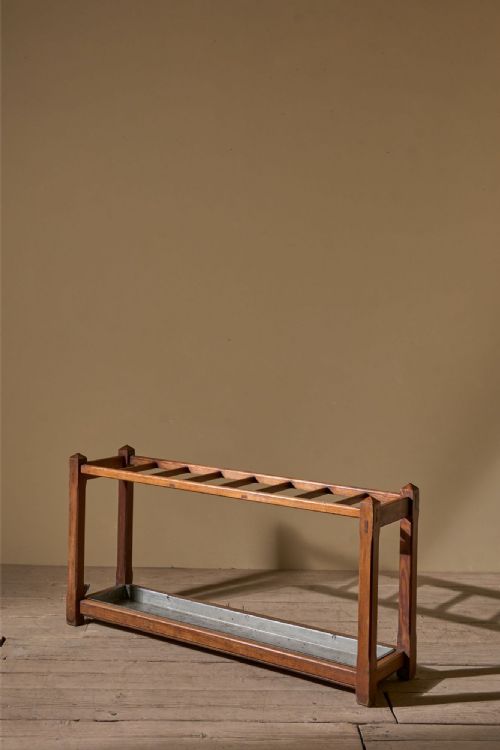
Listings show metal cane holder stands constructed from cast iron, brass, copper, zinc, and enamel, frequently paired with oak, pine, or walnut.
Coalbrookdale·Christopher Dresser·Falkirk Ironworks
The Metal Cane Holder Stand Glossary
- Demi-lune
- A half-moon shape designed to fit flat against a wall. This profile allows the holder to occupy minimal hallway space while containing multiple walking sticks.
- Drip tray
- A removable metal basin positioned at the base of the stand. It catches moisture running down wet umbrellas to protect flooring.
- Cast iron
- An iron-carbon alloy poured into moulds to create rigid decorative frames. This material provides the substantial weight necessary to prevent tipping.
- Arts and Crafts
- A design movement prioritising handcrafting and visible construction materials. Copper and iron stands from this style display hammered textures and honest construction.
Metal Cane Holder Stand: Frequently Asked Questions
Where should I place a metal cane holder stand?
Hallways and entrance vestibules suit these stands best, functioning near front doors where outdoor walking equipment is stored. Their compact profiles allow placement against narrow corridor walls.
Ensure the floor surface tolerates residual moisture from wet umbrellas, even when an original drip tray is present at the base.
How do I care for cast iron and brass stands?
Dust metal surfaces regularly with a dry cloth and avoid harsh chemical cleaners that strip patinated finishes. Preservation relies on keeping the interior drip trays clean and dry.
Wooden elements combined with the metal frame benefit from occasional application of appropriate furniture wax to maintain the grain.
What is the difference between Victorian and Art Deco stands?
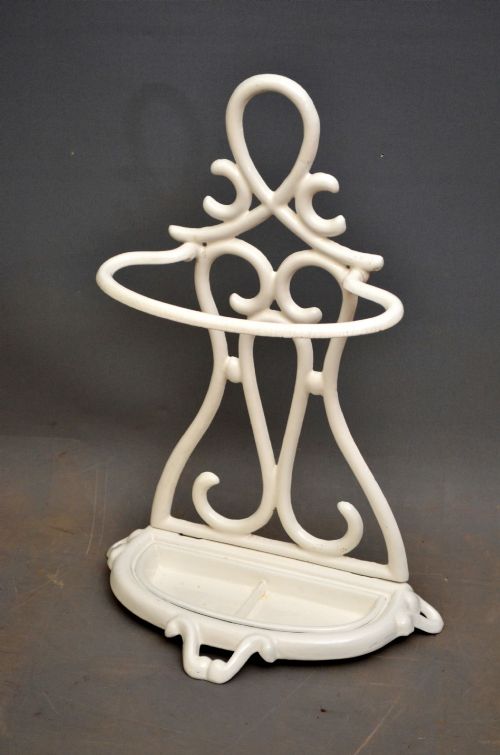
Victorian stands typically feature ornate cast iron scrollwork, gothic revival elements, or heavy brass loops inspired by botanical forms. They project decorative weight and historical revival styles.
Art Deco stands favour nickel-plated finishes, geometric demi-lune profiles, and streamlined industrial lines dating from the nineteen-thirties.
Are original drip trays important?
Original metal drip trays complete the functional design of the piece and match the period manufacture of the frame. Their presence confirms the stand retains its factory configuration.
Replacements function adequately for daily use, but original trays contribute to historical completeness and long-term interest.