

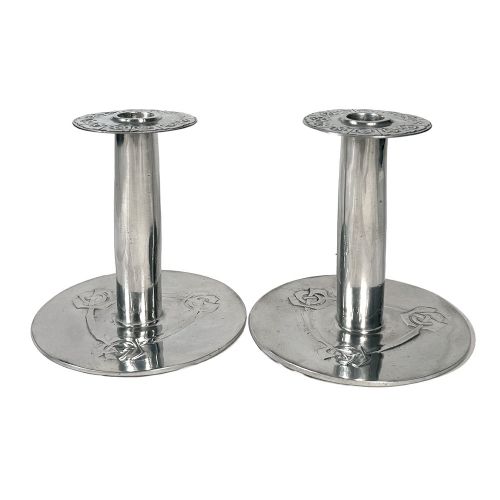
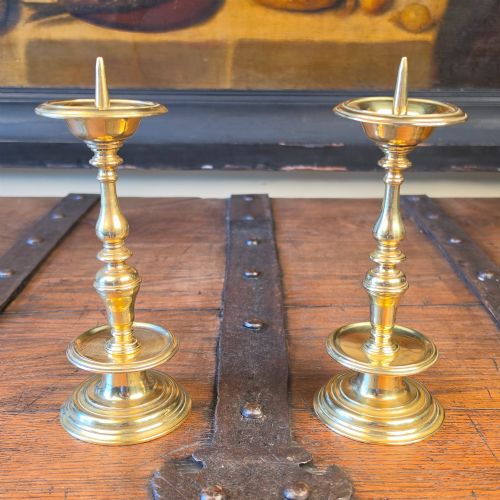
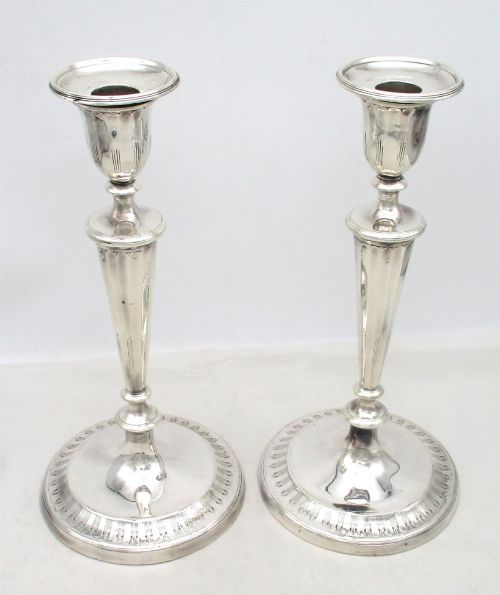
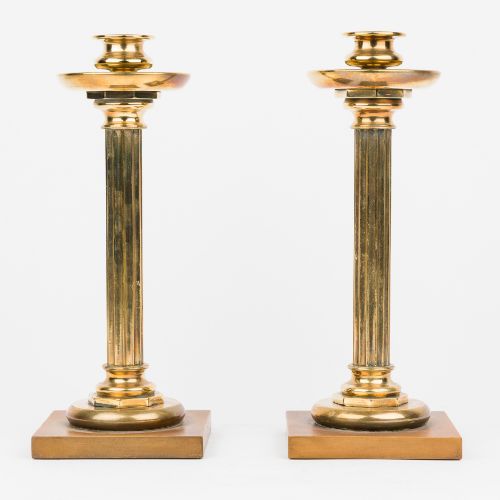
Metal Candlestick Holder
A metal candlestick holder brings utilitarian warmth to a room, ranging from simple domestic brass to sculptural bronze.
Metal Candlestick Holder
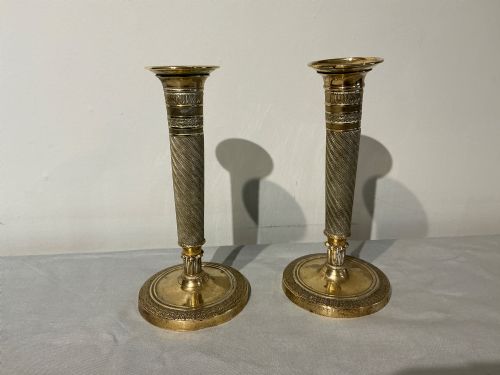
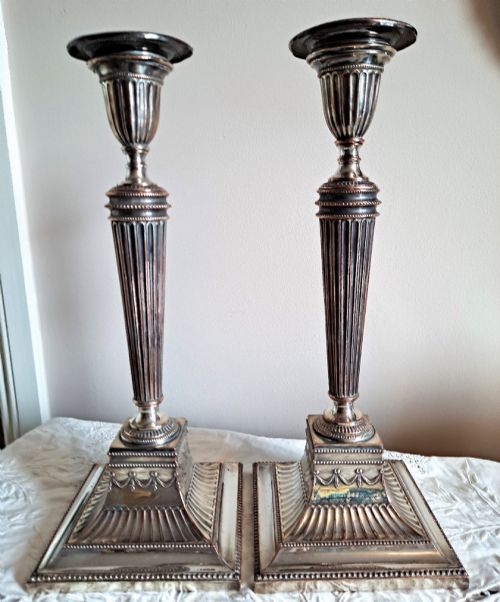
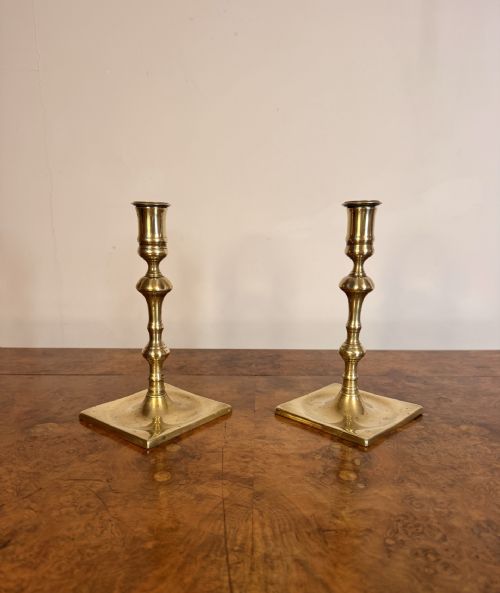
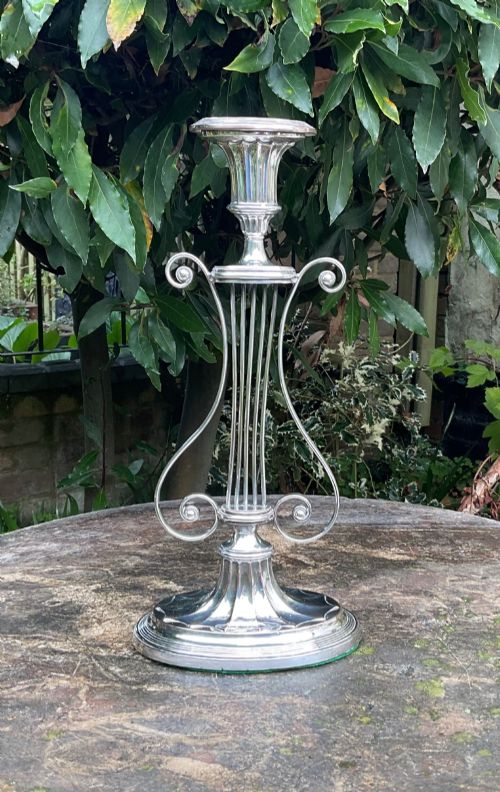
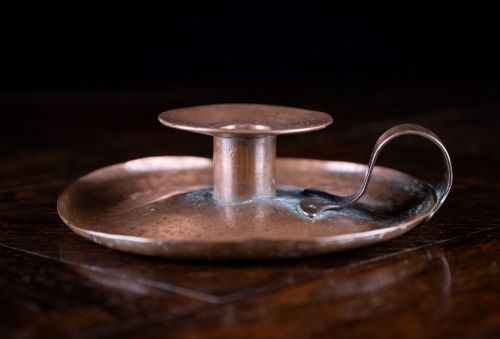
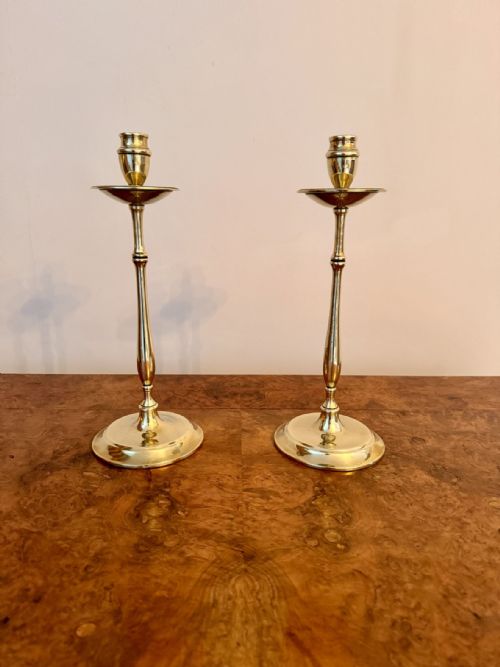
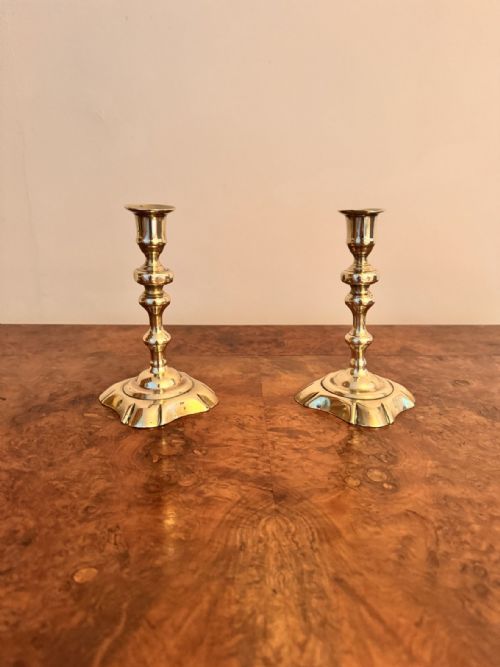
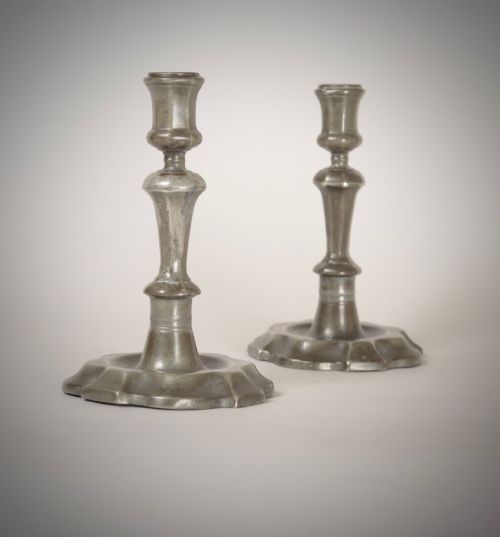
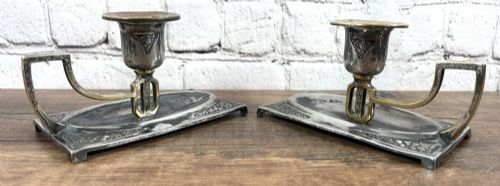
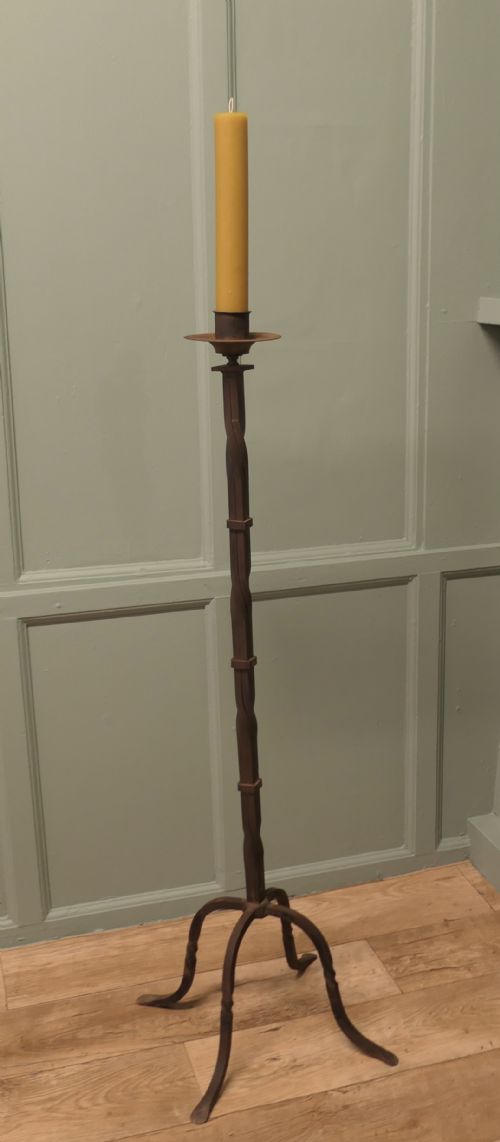
A metal candlestick holder serves to support candles safely while adding decorative presence to a table, mantel or floor. When exploring this selection, buyers encounter various forms including standard pairs, chambersticks with handle pans, multi-branch candelabra and tall floor stands.
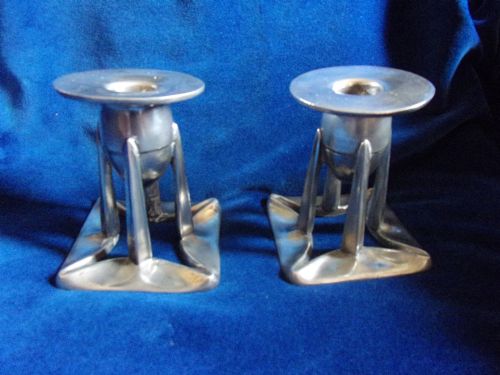
The objects span multiple centuries, with substantial representation from the eighteenth and nineteenth centuries alongside pieces from the early twentieth century. Common styles include Georgian, Victorian, Art Nouveau, Regency and Arts and Crafts.
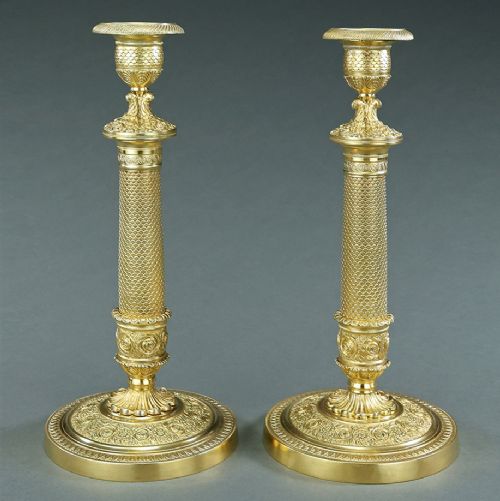
Domestic brass and pewter examples appear alongside heavier bronze, silver plated items, wrought iron and gilt ormolu. Most survivors are offered as pairs, reflecting their traditional use on dining tables and mantelpieces.
Materials and construction methods
Early brass examples often utilise seamed construction or casting methods, sometimes incorporating internal ejector mechanisms to push out remaining wax. Pewter pieces rely on soft metal casting and hammering, frequently associated with Arts and Crafts workshops.
Bronze and gilt bronze pieces demonstrate detailed lost-wax casting and chasing, often finished with cold-painted details or gilding. Wrought iron pieces reveal the hand of the blacksmith through hammered and twisted structural elements.
Metal Candlestick Holder Retail Price Guide 2026
Typical asking prices for metal candlestick holder among the pieces listed under this phrase on Sellingantiques today, from the lower quarter to the upper quarter. They describe what is for sale here now, not the wider market.
Materials span brass, pewter, bronze, silver plate, wrought iron, ormolu and gun metal across periods from the sixteenth century to the 1930s.
Distinctions in craftsmanship
Quality rests in the crispness of the casting detail and the integrity of the metalwork, whether in the sharp lines of Georgian brass or the sculptural depth of French ormolu. Heavy gauge metals and retained original surfaces indicate superior production.
Design ambition separates standard domestic items from artist-led works, such as Archibald Knox pieces for Liberty and Co or sculptural figural interpretations. The survival of original plating, gilding or patination governs the overall character of the piece.
Archibald Knox for Liberty and Co·WMF
The Metal Candlestick Holder Glossary
- Ejector
- A mechanical device fitted inside the stem to push out the remaining candle stump. This system appears commonly in eighteenth-century brass examples.
- Chamberstick
- A low candle holder featuring a saucer base and a loop handle for carrying about the bedchamber. These often include a small conical snuffer resting in the pan.
- Candelabra
- A branched lighting fixture designed to hold multiple candles simultaneously. They range from tabletop bronze suites to tall architectural floor stands.
- Spelter
- A zinc alloy used as a cheaper alternative to bronze for sculptural figures. It is frequently painted to resemble bronze or patinated metal.
- Ormolu
- Finely ground high-carat gold applied to a bronze base using a mercury amalgamation technique. The resulting surface gives a bright, durable golden finish.
Metal Candlestick Holder: Frequently Asked Questions
How do I date an antique brass candlestick?
Dating relies on examining the construction seams, base weights and turning marks. Earlier examples often feature push-up ejector holes and broader, heavier bases.
Stylistic shifts from plain Georgian shafts to ornate Victorian castings also provide clear chronological markers.
How should I clean antique brass and bronze?
Maintenance generally requires only gentle dusting with a soft cloth to preserve the historic patination. Harsh chemical polishes should be avoided because they strip away age and diminish the character of the metal.
Professional advice is recommended if active corrosion requires intervention.
Were these holders made as pairs?
Many surviving examples were produced as symmetrical pairs for balanced placement on dining tables or mantelpieces. Single pieces also exist, particularly among floor stands and larger chambersticks.
Matching pairs generally command greater interest from collectors.