





Metal Campana Urn
A metal campana urn brings classical proportion and enduring weight to a terrace, garden or interior scheme.
Metal Campana Urn
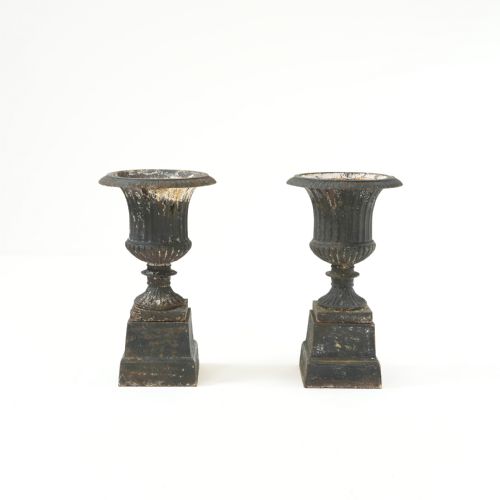
A metal campana urn takes its bell-like profile from classical antiquity, shaped with a flaring rim and a tapering body mounted on a pedestal or plinth. These pieces appear predominantly in nineteenth-century incarnations, spanning Victorian, Regency, and Grand Tour contexts.
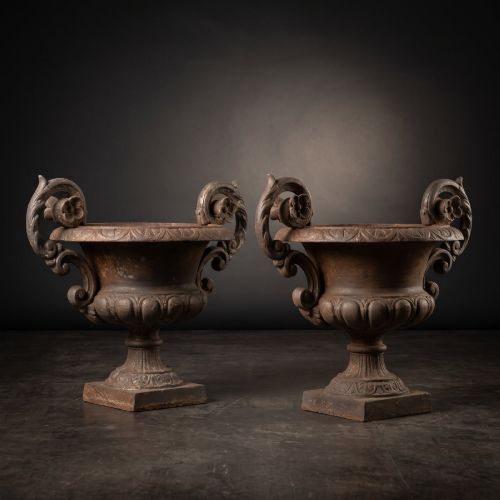
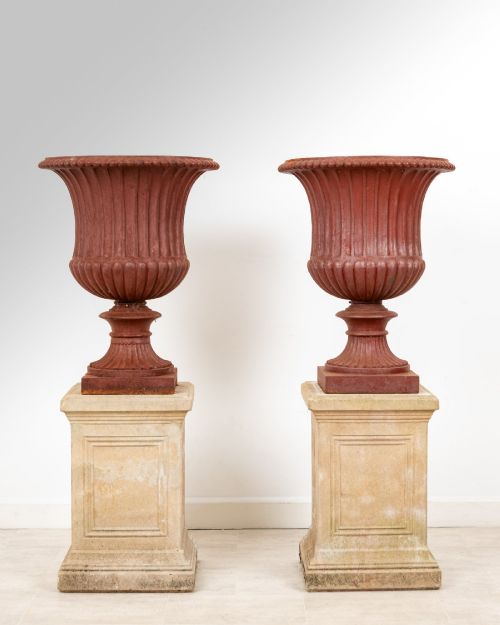
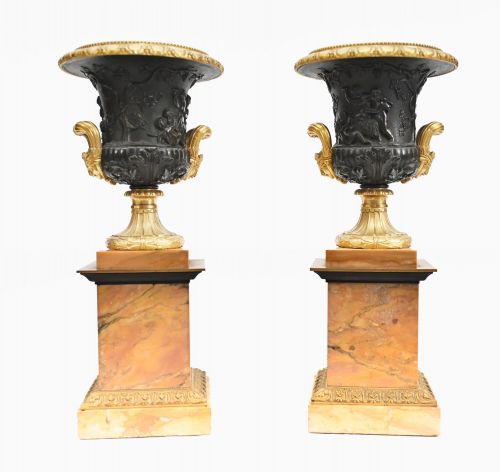
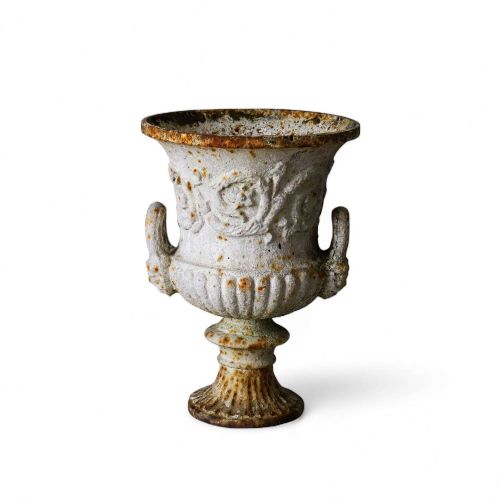
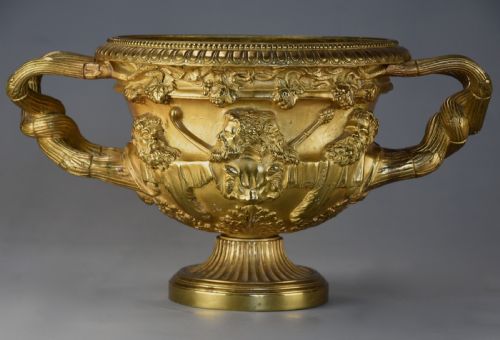
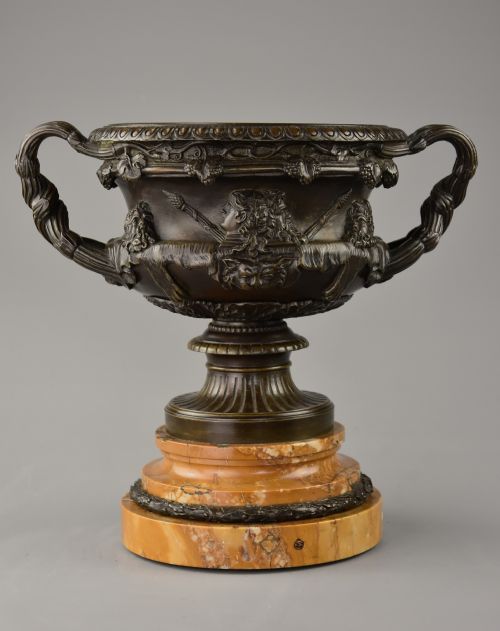
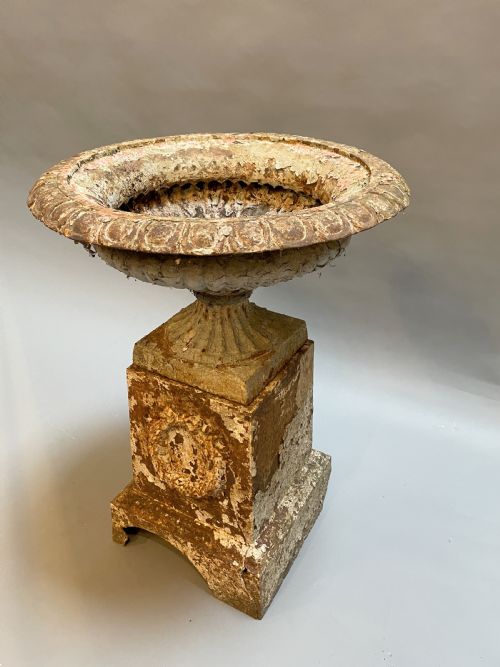
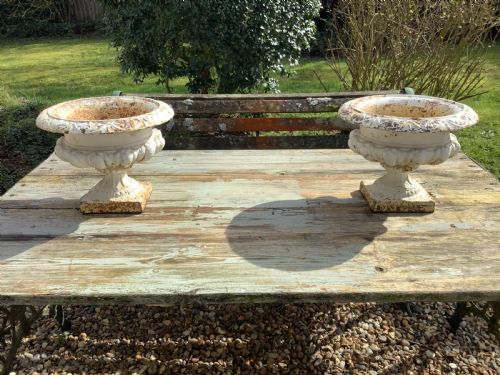
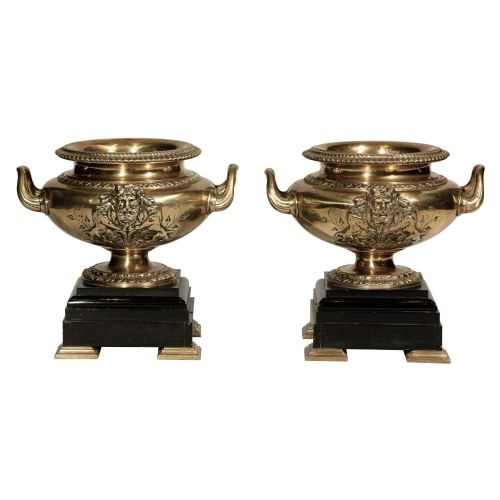
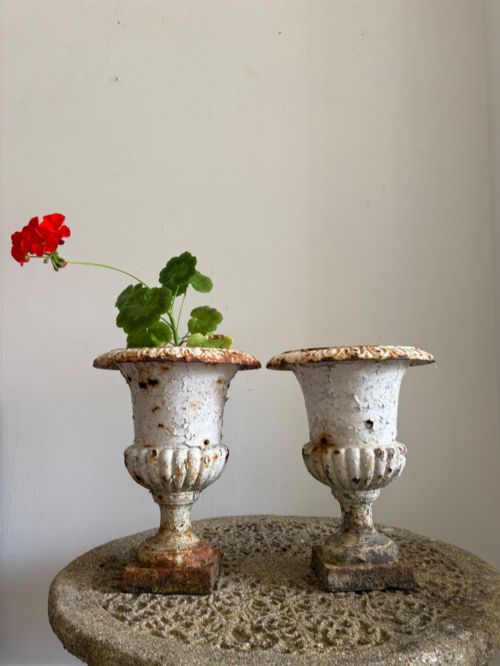
The selections on this page divide cleanly into two distinct scales and functions. Larger examples serve as garden urns and planters in cast iron, while smaller cabinet or table versions emerge in bronze, gilt bronze, or ormolu.
How they were made
Cast iron examples rely on sand-moulding techniques to achieve heavy, rigid garden vessels, frequently finished with original distressed paint or natural weathering. These iron pieces possess structural resilience suited to outdoor terraces and lawns.
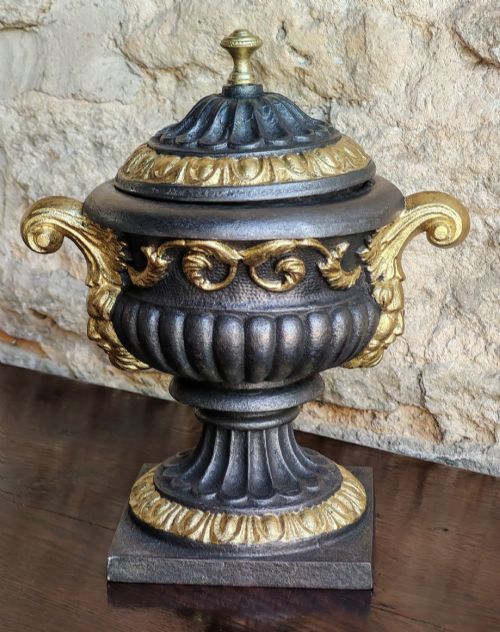
Bronze and gilt bronze pieces utilise the lost-wax casting method, allowing intricate detailing such as cherubs, Bacchic motifs, and classical handles. Ormolu accents and marble or wood pedestals elevate smaller interior cassolettes and reductions.
Metal Campana Urn Retail Price Guide 2026
Typical asking prices for metal campana urn among the pieces listed under this phrase on Sellingantiques today, from the lower quarter to the upper quarter. They describe what is for sale here now, not the wider market.
Listings feature heavy cast iron for garden use alongside refined bronze, gilt bronze, and ormolu pieces designed for interior display.
What varies in quality
The definition and crispness of the cast separate superior metal campana urn examples from routine production. Finer bronze reductions display sharp chasing on classical friezes, whereas simpler iron garden pieces rely on clean proportions and surface patina.
The integrity of the material pairing dictates the standing of a piece. Original matching bases, intact handles, and preserved mercury gilding or historical painted surfaces distinguish collector-grade items from later replacements.
Andrew Handyside
The Metal Campana Urn Glossary
- Grand Tour
- A traditional cultural excursion undertaken by European elites in the eighteenth and nineteenth centuries. Travellers acquired miniature bronze reductions of famous antiquities like the Warwick Vase as souvenirs.
- Ormolu
- Finely ground high-carat gold applied to a bronze base through a mercury amalgamation technique. This finish imparts a rich, warm metallic lustre found on decorative interior urns.
- Cassolette
- A decorative vessel featuring a reversible lid that functions either as a solid vase or an incense burner. These pieces typically appear in bronze or ormolu on nineteenth-century mantelpieces.
- Spelter
- An alloy of zinc cast into decorative figures and vessels during the nineteenth century. It provides a lighter and softer alternative to bronze.
Metal Campana Urn: Frequently Asked Questions
Can cast iron urns stay outside all winter?
Cast iron garden pieces tolerate outdoor exposure well, weathering with time and developing a stable iron patina.
However, freezing water trapped inside unplanted bowls can crack the metal, so proper drainage is essential during winter months.
What is a Grand Tour bronze?
Grand Tour bronzes are nineteenth-century reductions of famous classical sculptures and vases produced in European workshops for travelling collectors.
These decorative objects bring museum-quality antiquity into domestic interiors through meticulous metal casting.
How do I clean a bronze urn?
Bronze surfaces require minimal intervention to preserve their historical patina and aged surface character.
Dust gently with a soft brush and avoid chemical polishes that strip away the layered oxidation built up over a century.
Where should I place a heavy iron urn?
Large cast iron garden vessels need stable, level foundations such as stone plinths, terrace paving, or reinforced garden steps.
Because their weight increases significantly when filled with soil and plants, positioning requires careful planning.