





Metal Bird Figures
Metal bird figures bring avian forms into interior and garden spaces through lasting material work.
Metal Bird Figures
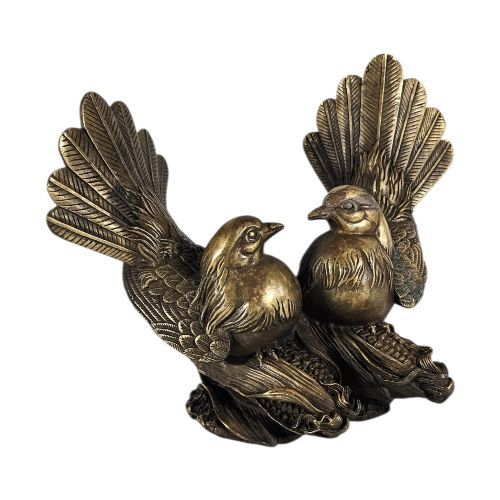
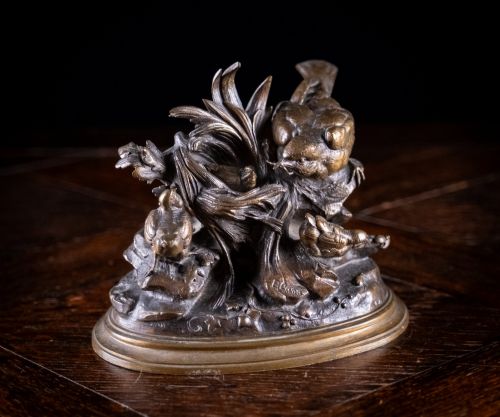
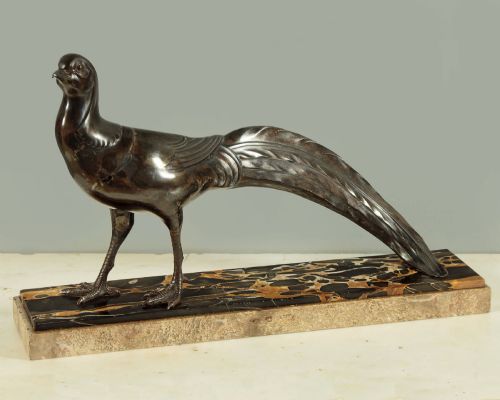
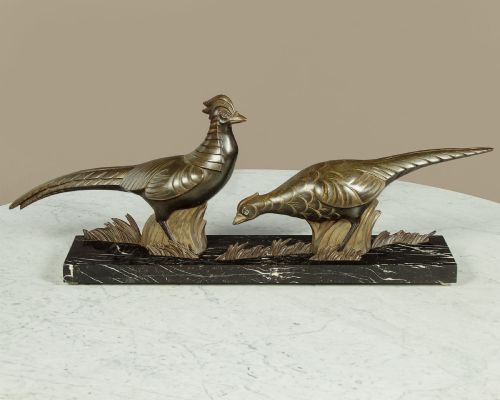
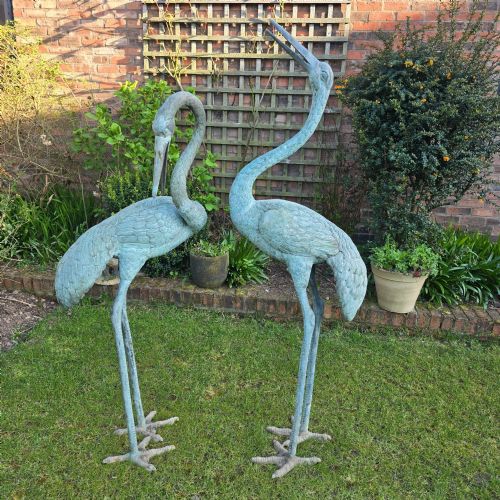
Metal bird figures comprise sculptures, garden statues, bird baths, and figurines spanning the Victorian period through to the 1930s. When searching for metal bird figures, buyers encounter diverse depictions from golden pheasants and parrots to cranes and eagles.
The selection includes miniature figurines alongside larger decorative sculptures and functional items like bird baths or weathervanes. Pieces reflect varied stylistic influences including Art Deco, folk art, and Vienna bronze traditions.
Originating largely from the nineteenth and early twentieth centuries, these objects showcase birds cast or sculpted in enduring metals. The range balances domestic mantel ornaments with robust outdoor garden statues.
Materials and construction
Makers utilised bronze, cast iron, lead, and patinated or gilt metal to shape these avian forms. Many pieces receive cold painted decoration or applied paint finishes to capture naturalistic plumage.
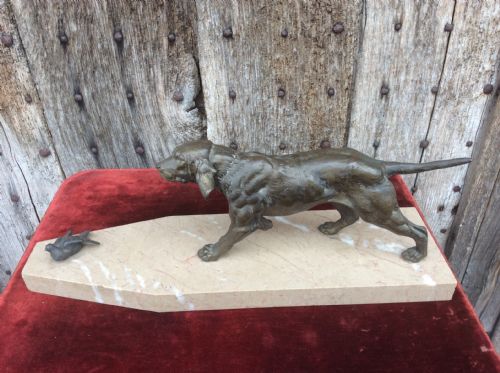
Foundries employed casting techniques to render detailed feathers and postures, occasionally mounting figures on marble plinths. Certain pieces combine metalwork with functional elements such as stone planters or weathervane pivots.
Metal Bird Figures Retail Price Guide 2026
Typical asking prices for metal bird figures among the pieces listed under this phrase on Sellingantiques today, from the lower quarter to the upper quarter. They describe what is for sale here now, not the wider market.
An anonymous owl stands ready to deter garden pests.
Evaluating quality in metal bird figures
Quality rests upon the precision of the metal casting and the sensitivity of the sculptural modeling. Finer examples display lifelike anatomical proportions and carefully rendered feather details that elevate a simple figure into a convincing avian study.
The preservation of original cold painted or gilt surfaces contributes significantly to a piece's standing. Skilled application of colour enhances the visual depth of the metalwork, distinguishing superior specimens from plainer productions.
Ferdinand Pautrot
The Metal Bird Figures Glossary
- Cold painted bronze
- A method where bronze figures are painted with cold enamel paints rather than fired in a kiln. This technique allows for intricate multi-coloured feather details.
- Vienna bronze
- Small, naturalistic metal sculptures produced in Austrian workshops during the late nineteenth and early twentieth centuries. They frequently depict birds and animals with realistic painted surfaces.
- Patinated metal
- Metal treated with chemical solutions to produce a surface coating or colour change. This process protects the underlying material while adding aesthetic depth.
- Folk art
- Utilitarian or decorative objects created by self-taught or non-professional makers working within regional traditions. These pieces often employ simpler casting or fabrication methods.
- Weathervane
- A movable device mounted on high points to indicate wind direction, often featuring a metal bird silhouette. They combine functional mechanics with traditional outdoor sculpture.
Metal Bird Figures: Frequently Asked Questions
What are metal bird figures?
Metal bird figures are sculptural representations of birds cast, forged, or modelled in materials such as bronze, lead, cast iron, and painted metal.
They range from small mantel figurines and cold painted Vienna bronze ornaments to large garden statues, cranes, and architectural weathervanes.
How were these figures used?
Smaller figures functioned as decorative indoor sculptures, mantel ornaments, or cabinet pieces, sometimes mounted on marble plinths.
Larger examples served outdoors as garden statues, functional bird baths, or roof-mounted weathervanes indicating wind direction.
How do I care for metal bird figures?
Indoor pieces generally require only gentle dusting with a soft cloth to protect patinated, gilt, or cold painted surfaces from moisture and abrasive cleaning.
Outdoor garden figures and lead or cast iron statues naturally weather over time, though severe winter frost or standing water should be managed depending on the metal.
How do I date a metal bird figure?
Dating relies on examining the casting technique, material composition, mounting styles, and surface finishes characteristic of periods like the Victorian era or the 1930s.
Stylistic markers such as Art Deco lines or traditional folk art execution also help place pieces within the nineteenth or early twentieth centuries.