

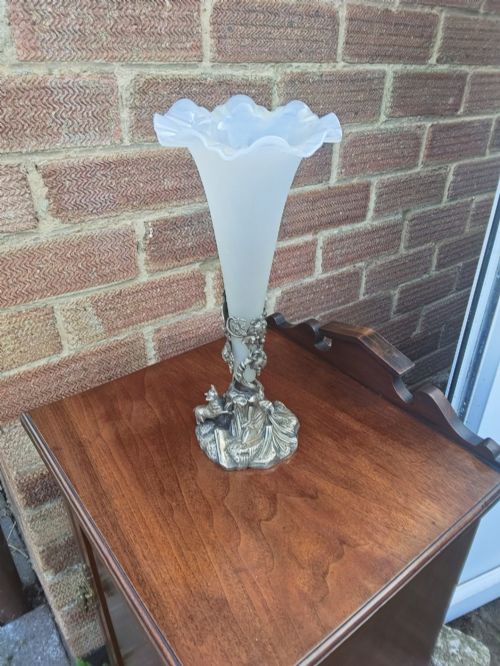

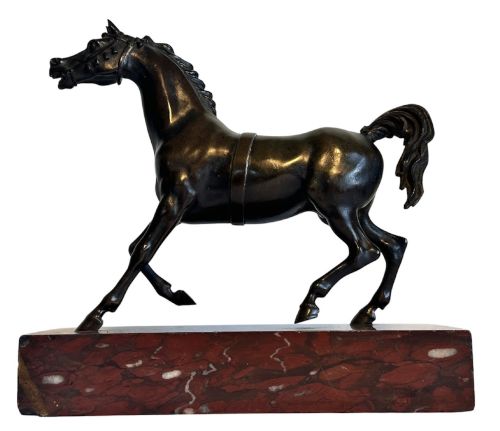
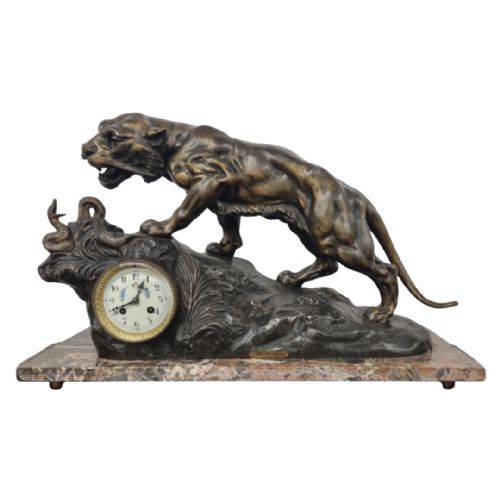
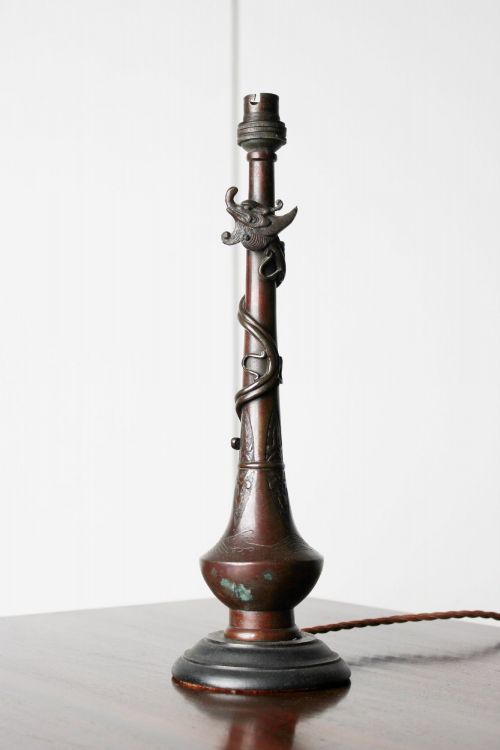

Metal Base Table
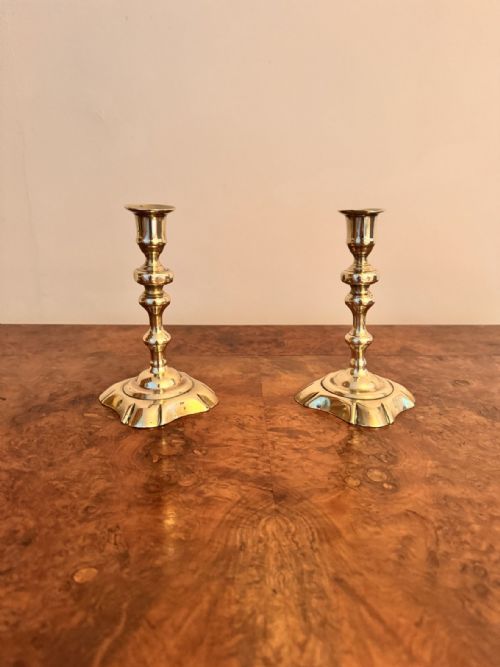
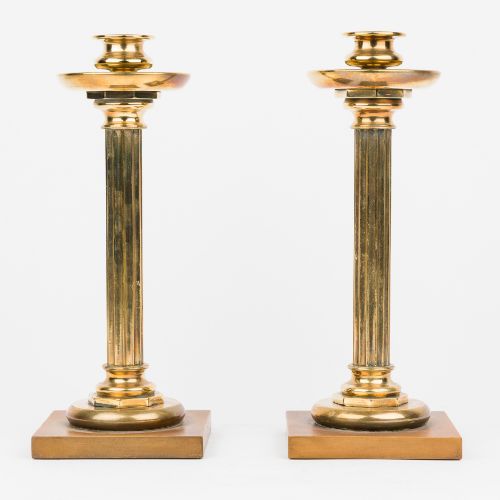
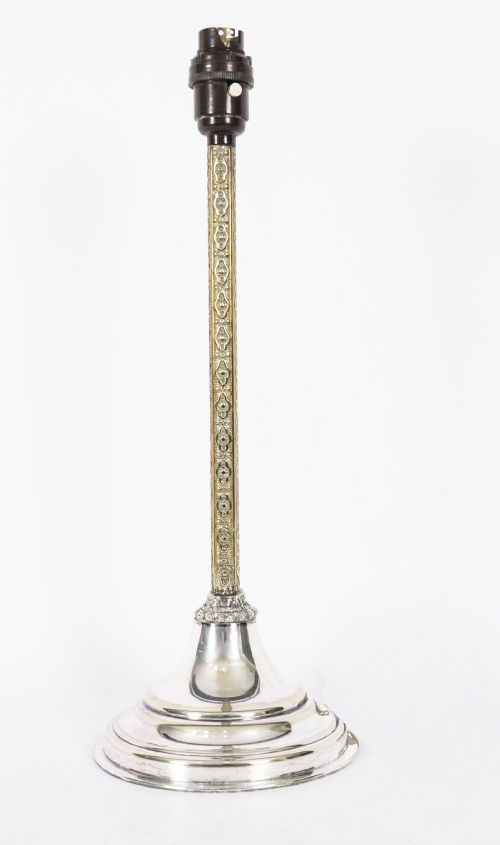
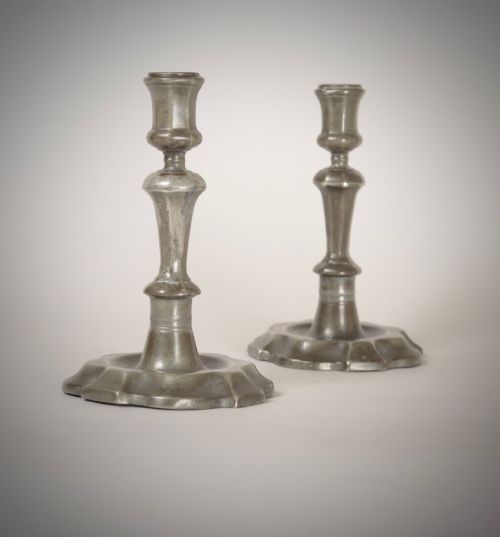
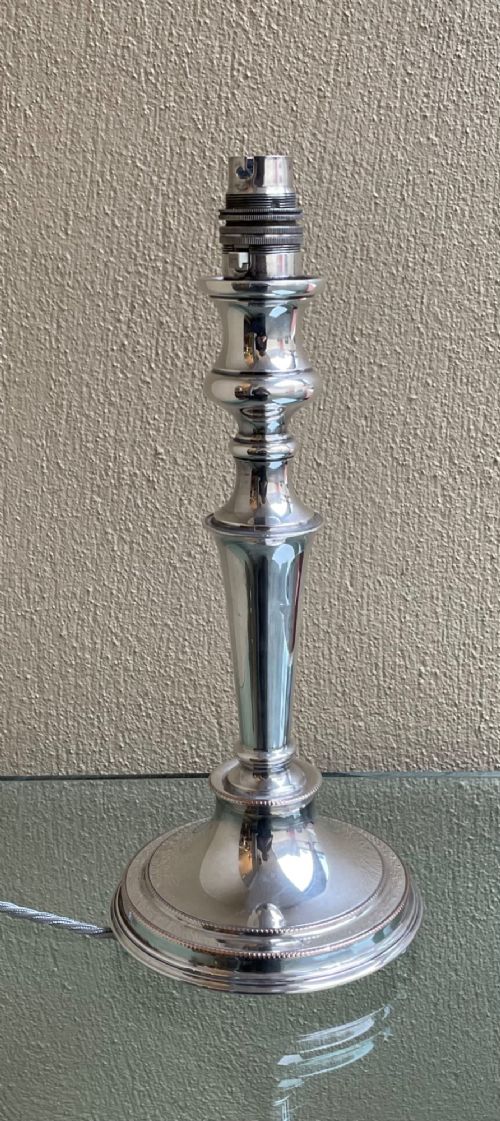
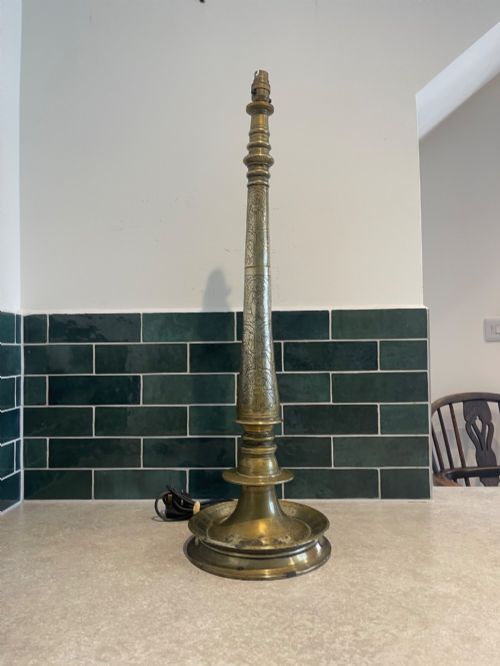
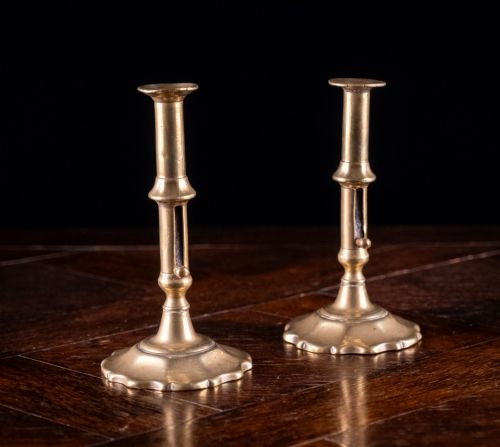
A metal base table selection brings together utilitarian stands and decorative supports formed from brass, bronze, cast iron, and silver plate.
Metal Base Table
A metal base table encompasses various foundational supports and surfaces discovered alongside related metalwork items such as candlesticks, lamps, and clocks.
The objects listed under this phrase span periods from the eighteenth century through the Art Deco era, encompassing Victorian, Edwardian, and Regency designs.
Buyers will encounter functional furniture stands alongside decorative pieces featuring metal bases combined with marble, glass, wood, and fabric elements.
What varies in quality
The refinement of the casting and the crispness of chased details distinguish high-grade metalwork from simpler commercial production.
Material integration plays a role, where harmonious combinations of heavy cast metals with genuine marble or specialist glass elevate the piece.
The integrity of the original surface finish, whether patinated bronze, silver plate, or gilt metal, dictates the overall standard.
Metal Base Table Retail Price Guide 2026
Typical asking prices for metal base table among the pieces listed under this phrase on Sellingantiques today, from the lower quarter to the upper quarter. They describe what is for sale here now, not the wider market.
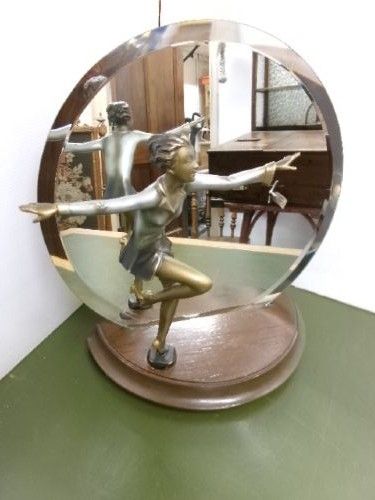
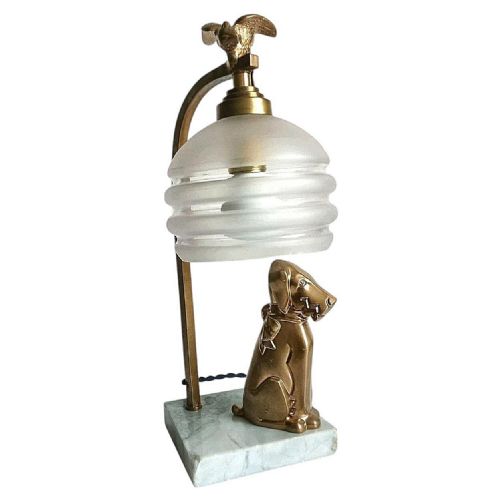
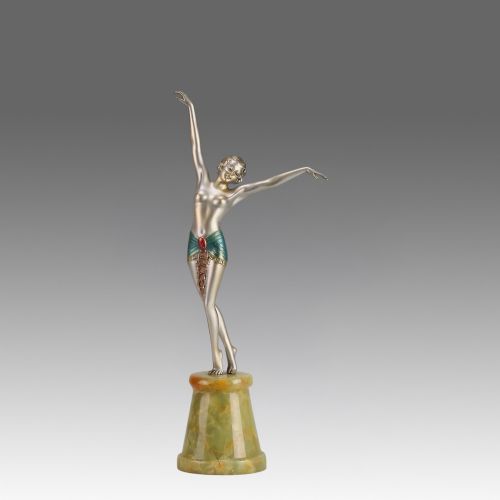
A French novelty dog and parrot share the stage with dancing ladies, Egyptian dancers, and stone elephants.
Mappin and Webb·R Varnier·Claude Michel Clodian·Josef Lorenzl·Muller Bros·Wilhelm Wagenfeld
The Metal Base Table Glossary
- Spelter
- A zinc alloy frequently utilised as a cost-effective substitute for bronze in decorative figures and lamp bases during the late nineteenth and early twentieth centuries.
- Parcel Gilt
- A method where specific areas of an object are partially gilded with gold leaf or powder while other metal surfaces remain exposed.
- Cold-Painted Bronze
- A technique where bronze sculptures are painted with cold oil paint after casting, popular in Austrian and Viennese decorative arts.
- Cloisonné
- An ancient technique for decorating metalwork objects using strips of wire to form compartments that are filled with enamel paste.
Metal Base Table: Frequently Asked Questions
What periods do metal base items date from?
The items span multiple eras, beginning around the eighteenth century with brass and pewter work, and continuing through the Victorian, Edwardian, and Art Deco periods.
Each period displays distinct stylistic traits, from Regency influences to twentieth-century industrial and modernist designs.
How are different metals identified?
Brass and bronze exhibit golden-brown or dark patinas, while white metal, nickel, and silver plate display brighter, silvery reflective surfaces.
Cast iron offers a heavier, matte black or oxidised texture often utilised specifically for robust table bases.
Are lamps and tables rewired?
Many lighting pieces and electrified items have been updated with modern wiring to meet contemporary safety standards while retaining their antique stands.
Checking individual listings provides specific details on whether a piece retains its original electrical components or has undergone rewiring.
How do I care for metal and marble bases?
Dusting regularly with a soft cloth preserves the surface without stripping patinas or damaging delicate gilt and cold-painted finishes.
Harsh chemical polishes should be avoided, particularly on plated items or mixed media surfaces involving porous marble and glass.