




Mens Gold Jewellery
Mens gold jewellery brings together heavy signet rings, intricate watch chains, and detailed cufflinks from the Victorian era through the mid-twentieth century.
Mens Gold Jewellery
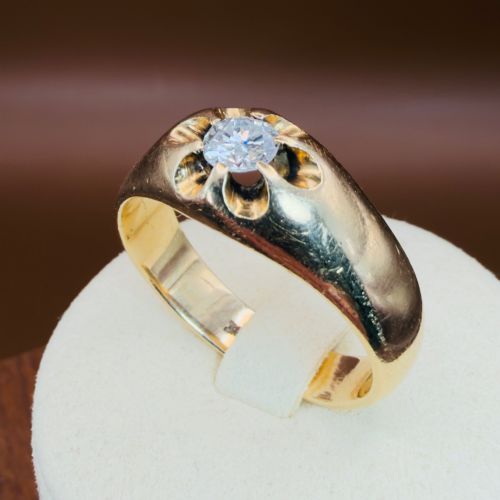
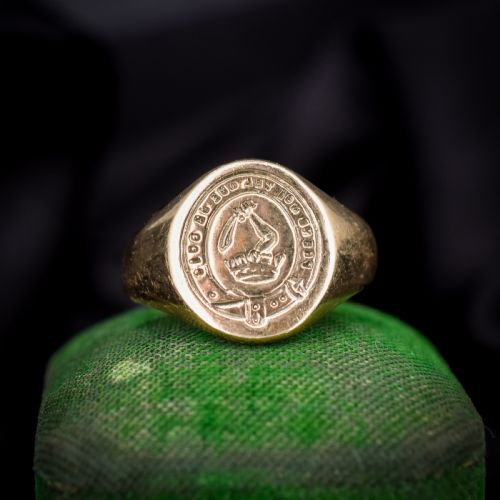
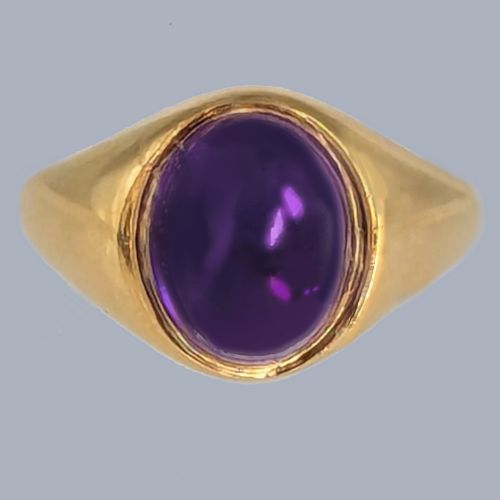
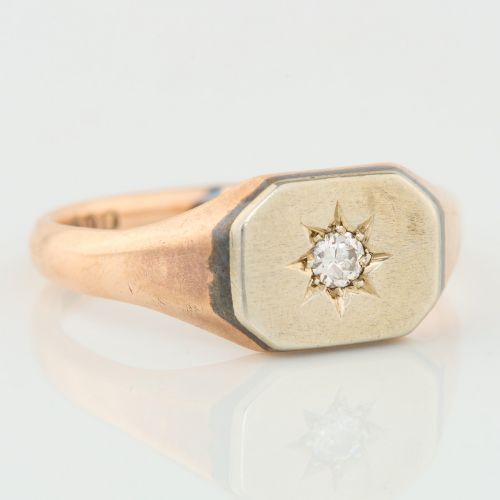
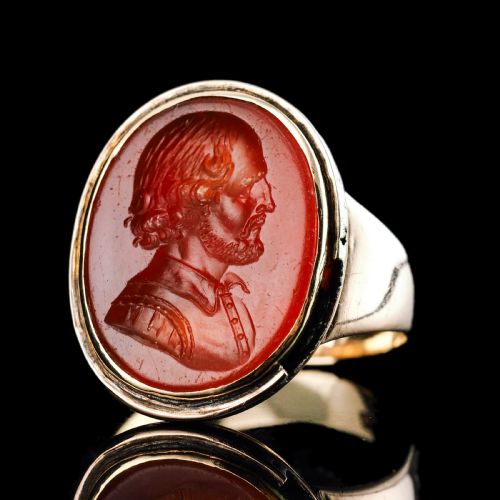
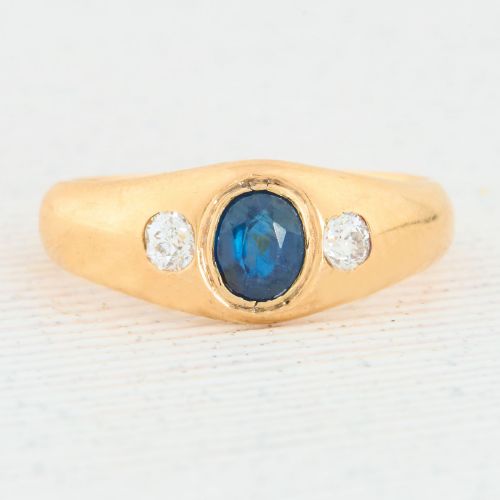
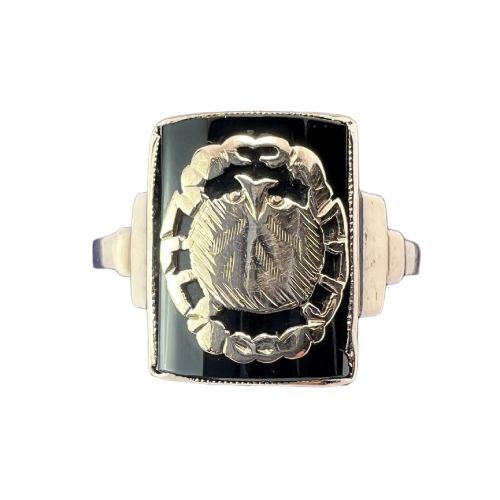
Mens gold jewellery encompasses items designed for gentlemanly wear, primarily represented on this page by rings, cufflinks, and watch chains. Signet rings and gypsy rings dominate the ring selection, often set with diamonds, onyx, or carved intaglios.
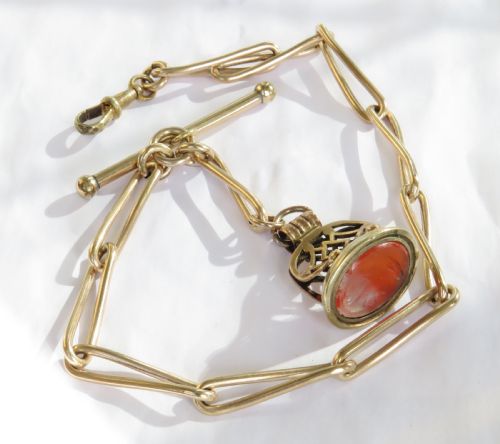
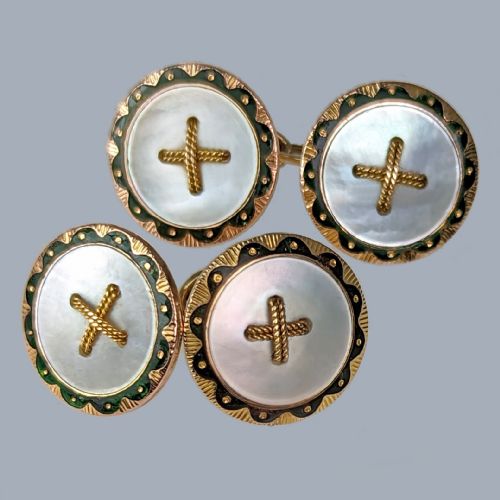
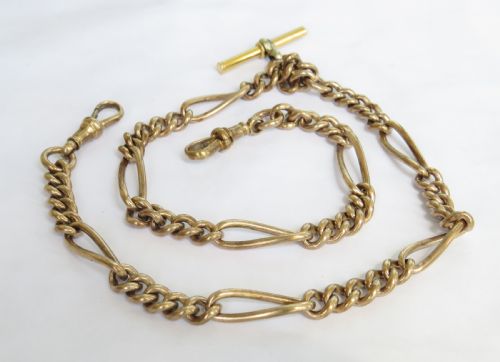
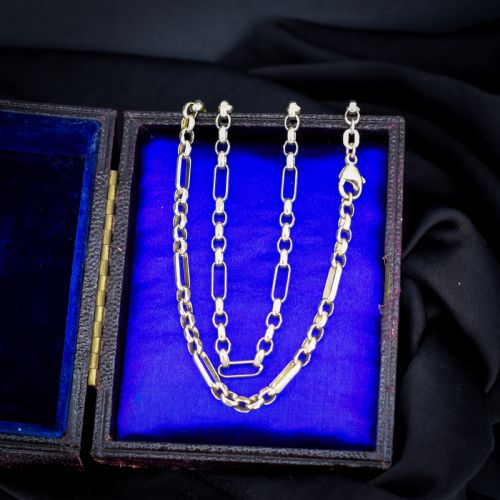
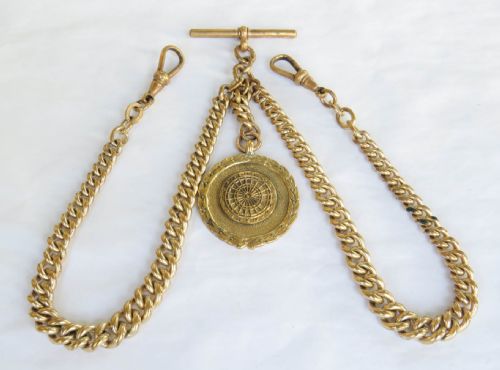
Watch chains, including Albert and fetter link variants complete with T-bars and dog clips, reflect the pocket watch culture of the nineteenth and early twentieth centuries. Cufflinks span periods from Victorian rose gold to Art Deco designs incorporating mother of pearl and enamel.
How they were made
Pieces are fashioned predominantly from 9ct and 18ct gold, utilising both yellow and rose variations alongside rolled gold alternatives for watch chains. Goldsmiths employed traditional casting, hand engraving, and bezel settings to secure stones like garnets, amethysts, and diamonds.
Hallmarks stamped into the metal provide verifiable origins from assay offices such as Birmingham and London, confirming the material standard and year of production.
Certain antique watch chains weigh over sixty grams of solid gold.
What varies in quality
Quality in mens gold jewellery rests upon the weight of the metal and the crispness of the hand-engraved details on signet faces or buckle motifs. Substantial gram weights in rings and heavy watch chains indicate robust construction intended for daily wear.
The finesse of secondary materials, such as clear diamond solitaires, genuine intaglio carvings, and intact enamel work, elevates certain pieces above standard production.
Solomon Blanckensee Son·Payton Pepper Co·William Griffiths Son·Taye Kenning Spencer Ltd
The Mens Gold Jewellery Glossary
- Albert chain
- A type of pocket watch chain designed to be secured through a waistcoat buttonhole, often featuring a T-bar and dog clips at the ends.
- Gypsy ring
- A style of ring where gemstones are flush-set directly into the heavy tapered gold band, popular during the Victorian and Edwardian periods.
- Intaglio
- A gemstone or metal surface carved with a sunken design, traditionally used as a personal seal for stamping hot wax.
- Fetter link
- A chain pattern alternating long oval links with shorter circular links, frequently utilised in antique watch chains.
- Dog clip
- A spring-loaded swivel fastening used on watch chains to securely attach pocket watches or fob pendants.
Mens Gold Jewellery: Frequently Asked Questions
How do I wear a pocket watch chain today?
Pocket watch chains, or Albert chains, can be repurposed as statement bracelets or worn across a waistcoat or belt loop using the original T-bar.
The dog clips at either end make it simple to secure charms or hang the chain from modern clothing loops.
What is the difference between a signet ring and a gypsy ring?
Signet rings feature a flat or engraved face traditionally used for sealing documents, whereas gypsy rings showcase flush-set stones embedded smoothly into the band.
Both styles were favored by gentlemen for their sturdy presence on the hand.
How can I tell the difference between Victorian and mid-century gold pieces?
Victorian pieces frequently utilise warm rose gold, heavy engraving, and intricate hollow or solid links like the trombone pattern.
Mid-century designs often lean towards heavier yellow gold weights, geometric Art Deco influences, and clean, streamlined silhouettes.