






Meiji Porcelain Bowl
A meiji porcelain bowl brings intricate Japanese artistry into a room, offering striking hand-painted decoration that collectors prize for its depth of detail.
Meiji Porcelain Bowl
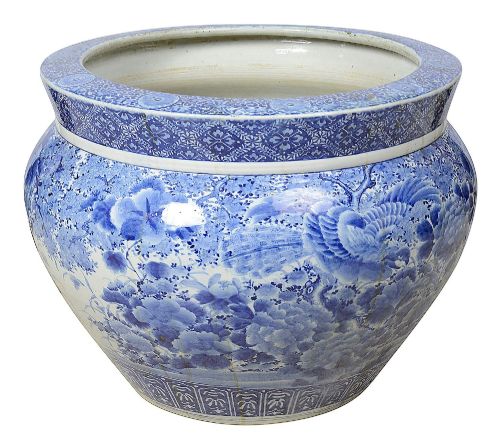
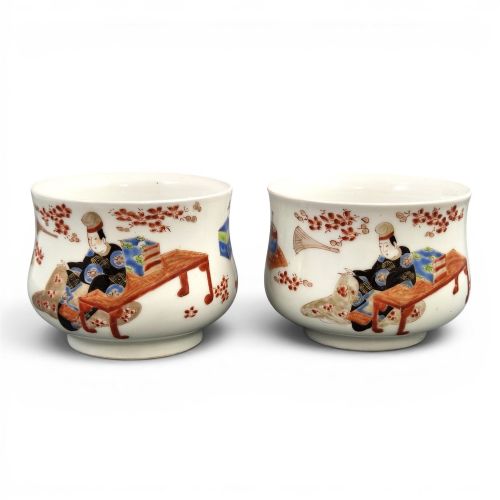
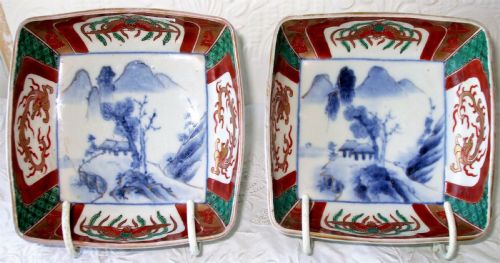
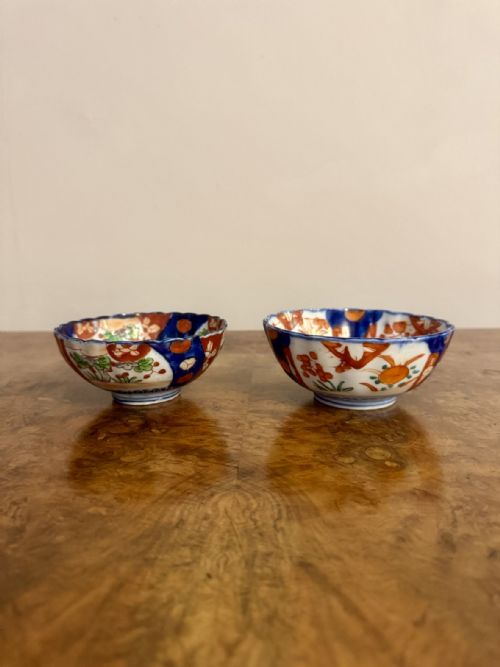
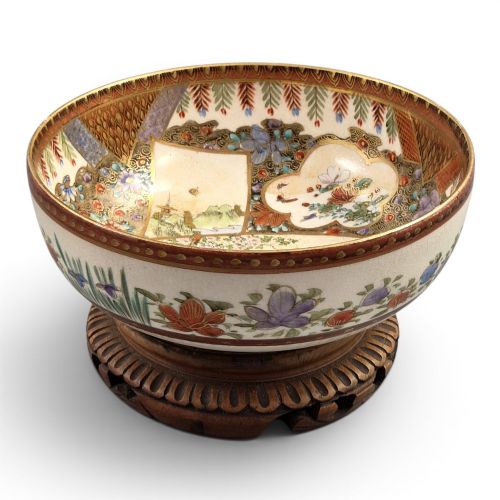
When you search for a meiji porcelain bowl, you encounter finely potted vessels originating from Japan during the late nineteenth and early twentieth centuries. These items range from small decorative dishes and sugar bowls to large centrepieces, jardiniere planters, and delicate tea cups.
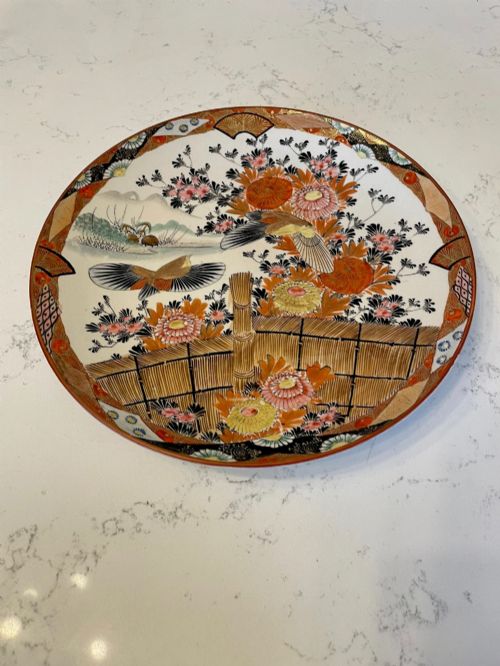
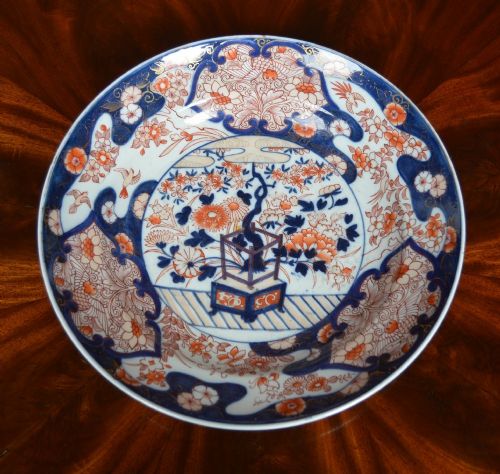
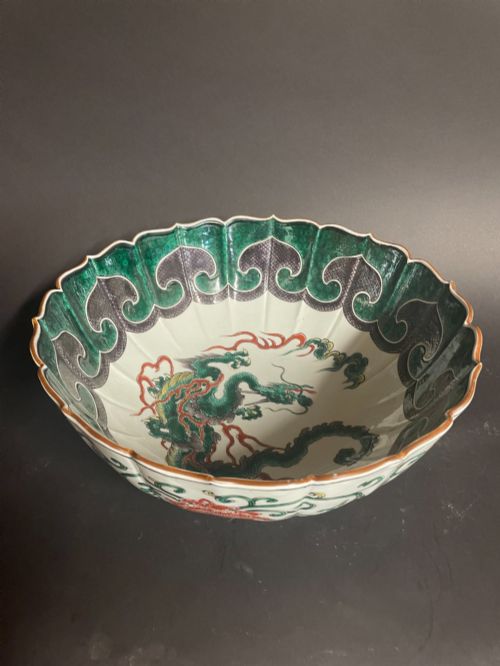
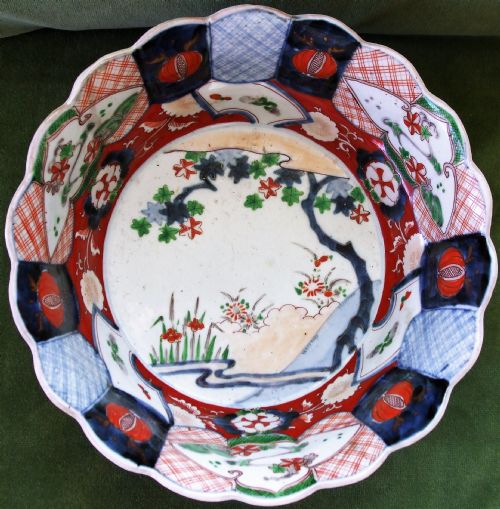
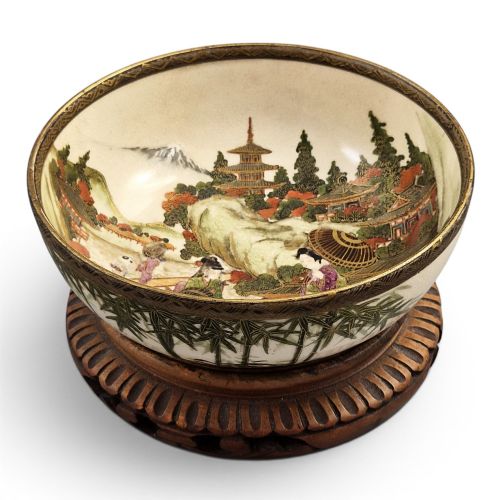
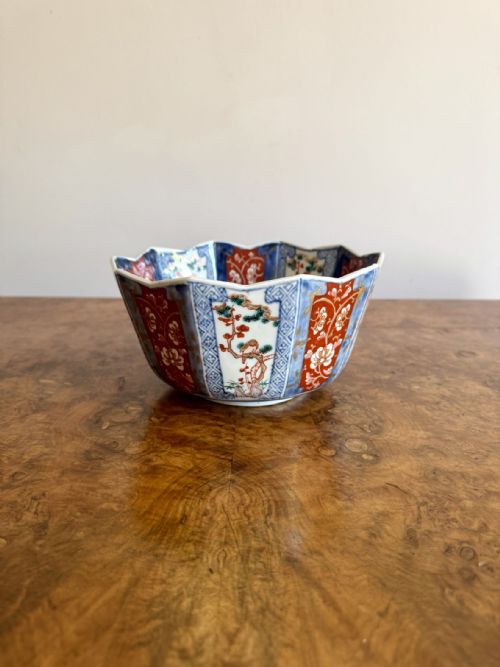
The most common examples on this page feature traditional Japanese Imari palettes alongside richly decorated Satsuma earthenware and Kutani ware. Forms often incorporate scallop edges, leaf shapes, hexagonal geometries, and deep basin profiles designed for display or dining use.
How they were made
Potters shaped fine porcelain, earthenware, and clay bodies on the wheel or into moulds before applying mineral glazes and cobalt blue underglazes. Artisans then built up complex pictorial layers using vitreous enamel, gold leaf, and raised gilding.
Many of these vessels received meticulous hand-painted details from named workshops and master artists. Kiln firing fixed the pigments and metals into a durable, glossy finish that preserved the vibrant colours across the Meiji period.
Meiji Porcelain Bowl Retail Price Guide 2026
Typical asking prices for meiji porcelain bowl among the pieces listed under this phrase on Sellingantiques today, from the lower quarter to the upper quarter. They describe what is for sale here now, not the wider market.
Listings feature periods spanning from the Edo era through the Meiji period and into Edwardian times, utilising porcelain, earthenware, and gold leaf.
What varies in quality
The distinction between ordinary production items and masterworks rests upon the precision of the hand-painted brushwork and the complexity of the enamelling. Pieces featuring dense figural scenes, elaborate samurai battles, or meticulous floral patterns demonstrate superior artisan skill.
Signatures from renowned makers such as Kinkozan, Shozo, Gyokkō, and Shizan elevate the standing of a piece significantly. Furthermore, the crispness of mould forms, such as deeply fluted scallop edges and intact gold leaf detailing, defines the upper tier of the range.
Shozo·Ginshōtei Gyokushi·Gyokkō·Kozan·Shizan·Kōko·Ryuzan·Kinkozan·Nikko·Hododa
The Meiji Porcelain Bowl Glossary
- Imari
- A style of Japanese porcelain featuring characteristic underglaze blue and overglaze red, green, and gold decorations. It originates from the town of Arita and became widely exported during the Meiji era.
- Satsuma
- A type of Japanese earthenware characterised by a crackle-glaze ivory body heavily decorated with polychrome enamels and gilt. Master workshops in Kyoto and Yokohama produced the finest examples.
- Kutani
- Japanese ceramic ware known for bold pictorial designs and rich colour palettes, particularly iron red and gold. These pieces often depict natural landscapes, birds, and figures.
- Jardiniere
- A large ornamental pot or bowl designed to hold growing plants or flowers. They often feature robust porcelain walls to support heavy soil.
- Suiban
- A shallow basin used for traditional Japanese flower arrangements or scholar's rocks. Water fills the interior tray to display natural stones.
Meiji Porcelain Bowl: Frequently Asked Questions
How are meiji porcelain bowls dated?
Dating relies upon stylistic markers, historical periods, and occasionally artist signatures or kiln marks found on the base. Comparing the complexity of the enamel work and the specific palette helps narrow the production era.
Many pieces align with the Meiji reign, while others reflect earlier Edo traditions or later Edwardian influences. Examining the underlying clay and glaze characteristics provides further chronological context.
Can these bowls be used for food?
While historic tea cups and sugar bowls were created for culinary use, antique decorative bowls are generally preserved for display. Age, delicate enamel surfaces, and historic glazes mean modern daily use is rarely recommended.
Displaying them as centrepieces or on plate stands protects the fragile gold leaf and hand-painted details from wear. Gentle dry dusting is usually sufficient for ongoing maintenance.
What do artist signatures indicate?
Signatures and kiln marks identify the specific pottery, workshop, or master painter responsible for the creation. Renowned names like Kinkozan or Shizan denote high-status production from celebrated artistic centres.
These marks often appear as hand-painted calligraphy or impressed stamps on the base. They serve as valuable indicators of quality and geographic origin within Japanese ceramic history.