

Meiji Period Table
When you search for a meiji period table, you find a remarkable range of Japanese furnishings and decorative lamp conversions from the late nineteenth and early twentieth centuries.
Meiji Period Table
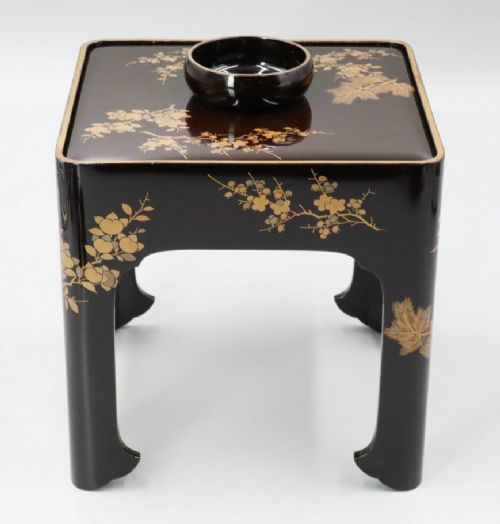
A meiji period table encompasses several distinct forms originating from Japan during the late nineteenth and early twentieth centuries. Side tables, small tea tables known as chabudai, and plant stands appear alongside larger surface furniture.
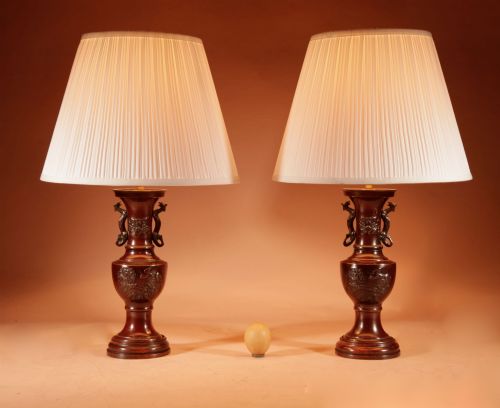
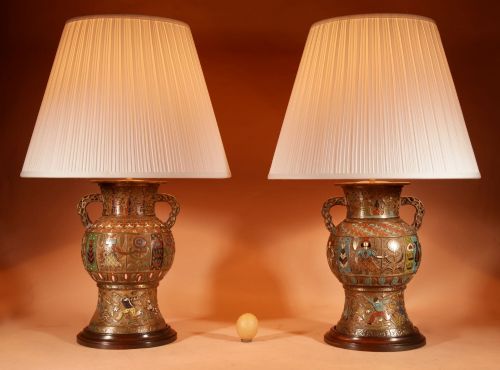
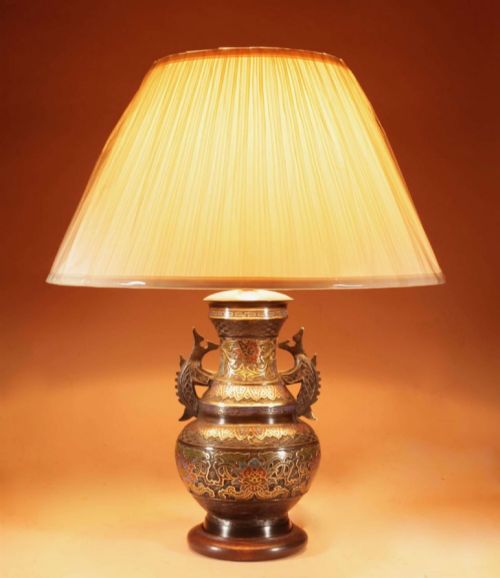
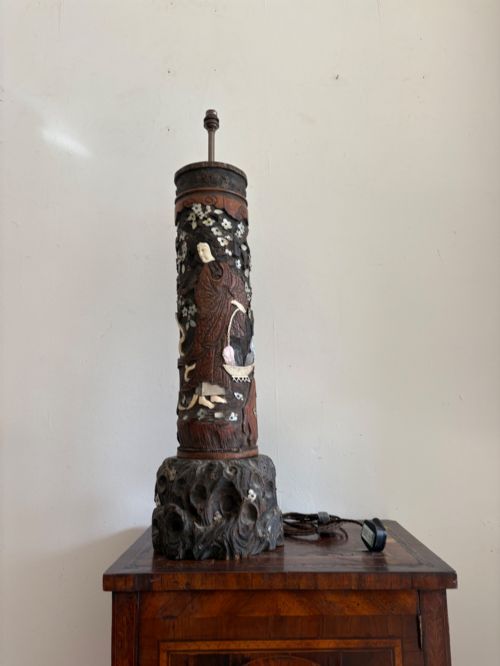
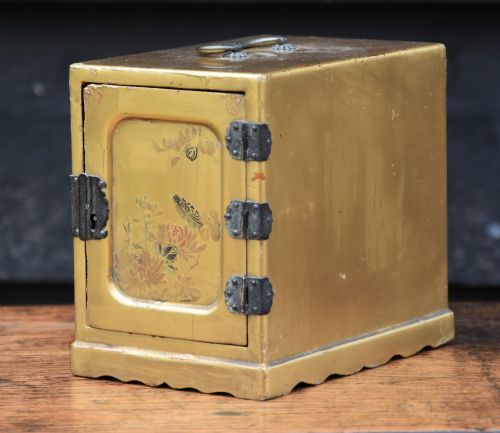
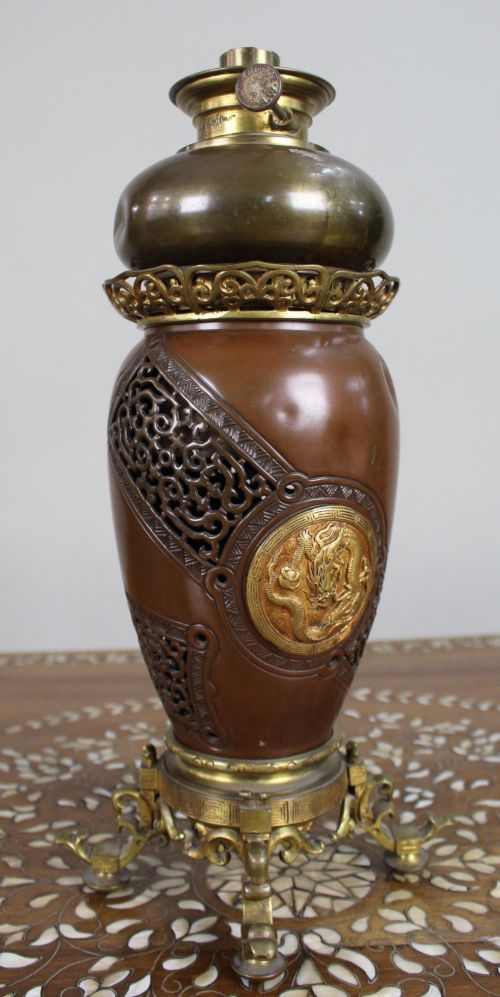
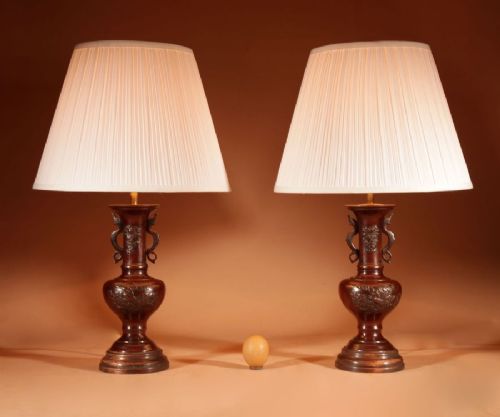
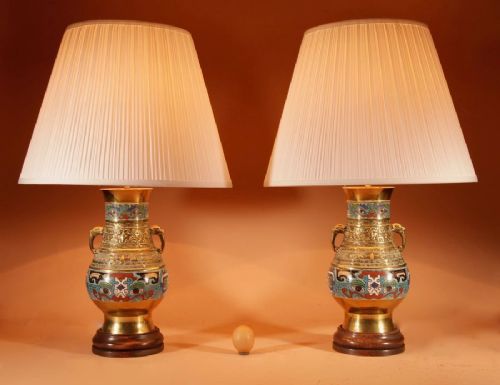
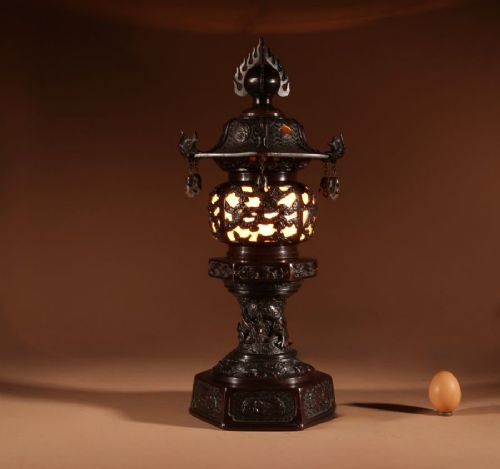
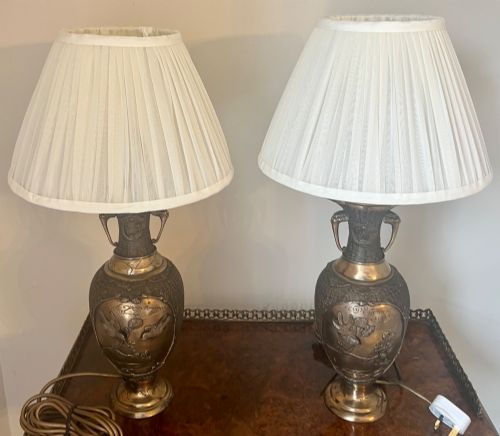
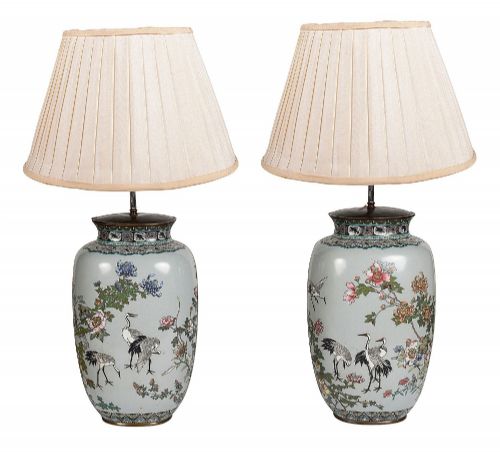
Many items encountered under this heading are actually decorative table cabinets, such as shodana and kodansu, or lamp conversions built from bronze and Satsuma vases. These pieces combine traditional Japanese craftsmanship with forms adapted for Western interiors of the period.
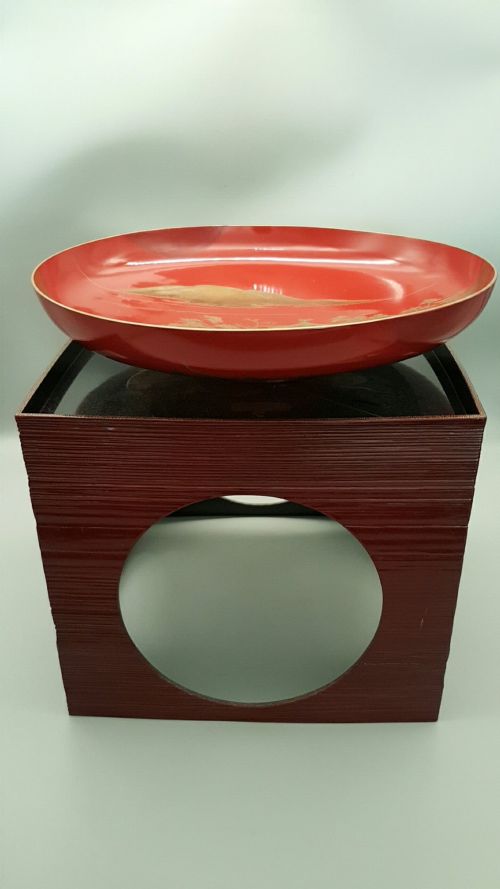
Materials span from ebonised elm and exotic hardwoods to lacquered wood inlaid with mother-of-pearl. The selection includes works dated across the Victorian and Edwardian eras alongside specific Meiji dates.
Factors influencing quality
The standard of a piece rests on the precision of its joinery and the depth of its surface decoration. Finely carved wood and meticulously applied lacquer distinguish superior examples from simpler utilitarian items.
In metal elements and lamp conversions, the crispness of the bronze casting and the complexity of the cloisonne enamel indicate the maker's skill. Mixed metal work featuring intricate inlay demands higher craftsmanship than plain cast surfaces.
The integrity of the original finish and the preservation of delicate details like gold leaf and mother-of-pearl ornamentation dictate the standing of an object.
Elephants and dragons occasionally shoulder the weight of your evening reading light through inventive Meiji bronze animal lamp bases.
Masaaki·Kinkozan
The Meiji Period Table Glossary
- Shibayama
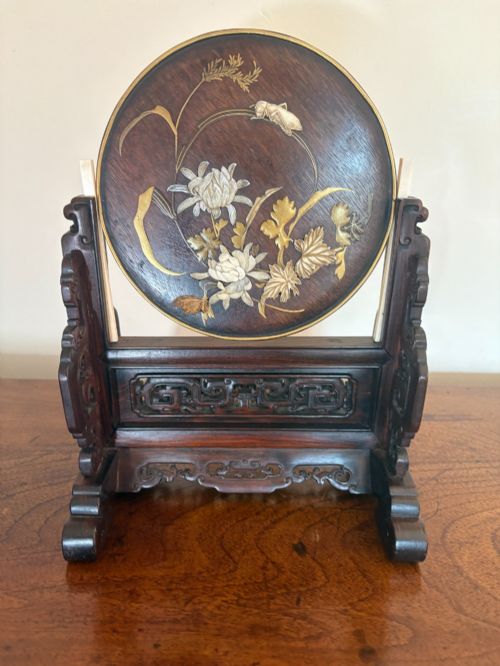
- A style of delicate inlay using shell, ivory, bone, and horn to create pictorial designs on wood or lacquer surfaces. This technique appears on decorative screens and panels.
- Chabudai
- A traditional low Japanese dining and tea table designed for use while kneeling on tatami mats. Examples frequently feature solid wood construction.
- Kodansu
- A small portable tabletop cabinet fitted with multiple internal drawers for storing valuables or jewellery. These are often finished in rich gilt lacquer.
- Cloisonne
- An ancient technique for decorating metalwork objects with coloured glass paste separated by thin strips of metal wire. Vases featuring this method are frequently converted into lamps.
- Champleve
- An enamelling technique where troughs or cells are carved into the surface of a bronze base and filled with vitreous enamel before firing. It creates bold, colourful patterns on table lamps and vessels.
Meiji Period Table: Frequently Asked Questions
What is a meiji period table?
A meiji period table refers to furniture and small stands produced in Japan between 1868 and 1912, or imported during that era. It includes low tea tables, side furniture, and stands designed for display.
Many listings also encompass tabletop cabinets and lamp conversions utilising antique Japanese vases and bronze elements from the same timeframe.
How were these tables used?
Original Japanese tables served specific domestic functions such as low tea service or the display of art objects. Chabudai tables were used for kneeling meals, while small cabinets held personal valuables.
In Western homes, many of these pieces were repurposed as plant stands, side surfaces, or converted into elaborate table lamps during the Victorian and Edwardian periods.
How do I identify Meiji lacquer?
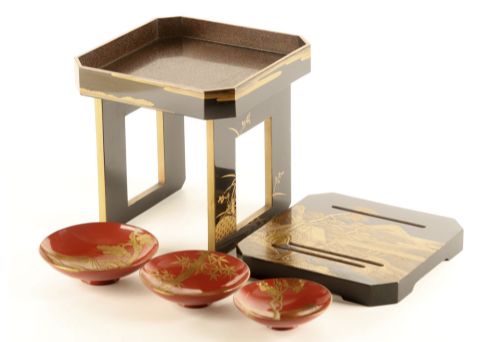
Meiji lacquer exhibits deep black or coloured resin finishes applied to wood bases, frequently enhanced with gold leaf and intricate pictorial designs. The surface feels smooth and hard to the touch.
Look for fine hand-painted details depicting natural scenes, figures, or geometric motifs, often combined with inlaid mother-of-pearl or Shibayama elements.
Are these items antique?
Pieces originating from the Meiji era date from the late nineteenth and early twentieth centuries, spanning the years 1868 to 1912. They carry genuine antique status.
Later items from the adjacent Taisho period or early twentieth-century reproductions also appear, distinguished by their specific production dates in the listings.