


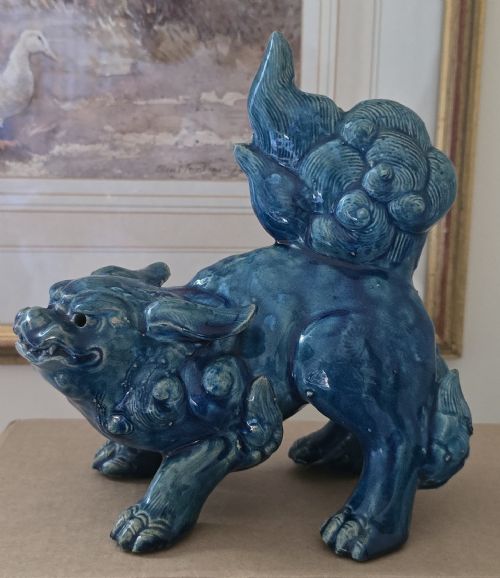


Meiji Period Shishi
A meiji period shishi brings fierce guardian spirit and intricate metalwork or ceramic modelling straight from late nineteenth-century Japan into the room.
Meiji Period Shishi
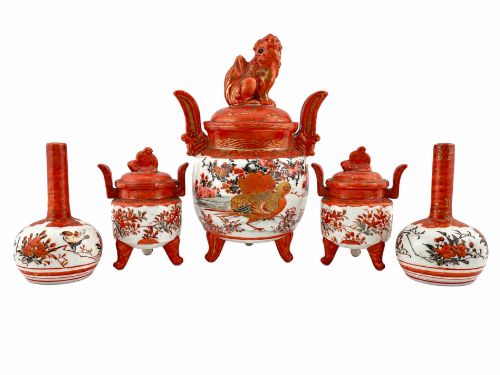
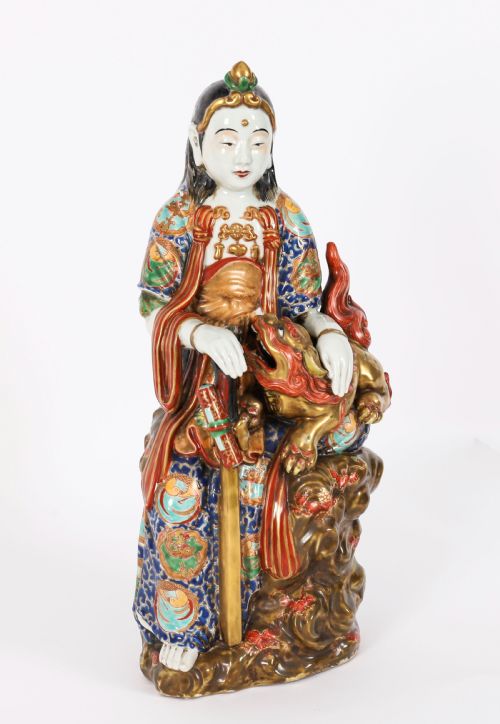
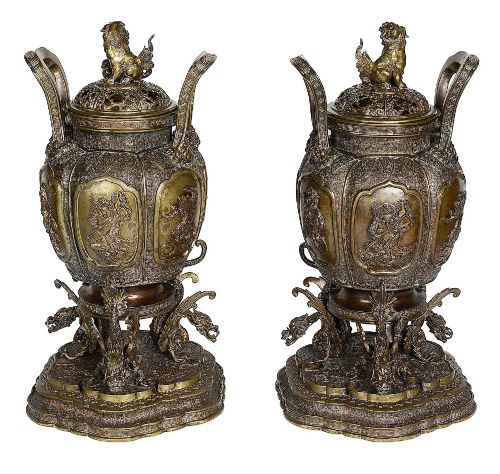
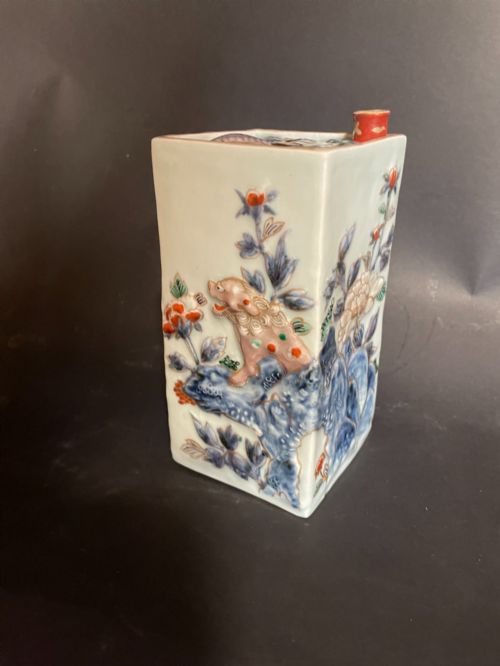
When you search for a meiji period shishi, you encounter mythical guardian lions rendered in ceramic, bronze and earthenware forms. These protective temple dogs appear as standalone figures, sculptural handles on incense burners and fierce companions beside deities.
The examples found here draw on the diverse artistic output of Japan between the late nineteenth century and the Edwardian era. You meet them most frequently as glazed porcelain models, Satsuma ware earthenware and patinated bronze sculptures.
Makers from this era channel centuries of Buddhist symbolism into dynamic postures, often with one paw resting on a brocade ball. Each piece reflects the sculptural ambition of Meiji craftsmanship, whether cast in metal or painted with rich enamels.
Materials and methods
Bronze figures involve precise metal casting, often finished with detailed chiselling and complex patination to articulate flowing manes and muscular frames. Artisans utilise cloisonné techniques alongside metalwork to add colourful enamel detailing to incense burners and censers.
Meiji Period Shishi Retail Price Guide 2026
Typical asking prices for meiji period shishi among the pieces listed under this phrase on Sellingantiques today, from the lower quarter to the upper quarter. They describe what is for sale here now, not the wider market.
Every shishi stares down evil spirits with unblinking ceramic eyes while balancing a decorative brocade ball under one heavy paw.
Judging the work
Quality rests in the intensity of the modelling and the crispness of the cast or carved detail across the animal's curling mane and muscular stance. Superior examples display purposeful tension in the limbs and careful hand-painting that avoids muddy enamels or loose proportions.
The integration of the shishi with its functional purpose, such as a lidded koro or vase handle, dictates the success of the piece. Stronger works balance decorative elaboration with sculptural authority, where gilding and glazes accentuate the form rather than obscure it.
Unno Shomin
The Meiji Period Shishi Glossary
- Shishi
- A mythical Buddhist lion or temple dog acting as a fierce guardian. These figures symbolise protection and often feature open mouths and curly manes.
- Koro
- A traditional Japanese incense burner or censer. They frequently incorporate a shishi sculpture upon the lid as a guardian handle.
- Kutani
- A style of Japanese porcelain known for bold overglaze enamels. Pieces often incorporate rich gilt work alongside motifs of birds and lions.
- Satsuma
- A type of Japanese earthenware featuring a crackled ivory glaze decorated with polychrome enamels and gold leaf.
- Moriage
- A ceramic decorating technique where slip is piped onto the surface in dots or lines to create a raised, textured effect.
- Okimono
- A small Japanese decorative sculpture designed for display on a tokonoma alcove or shelf.
Meiji Period Shishi: Frequently Asked Questions
What is a shishi?
A shishi is a mythical guardian lion derived from Chinese Buddhist tradition, historically placed at temple gates to ward off evil spirits.
In Meiji art, these creatures transition into domestic sculptures, incense burner lids and decorative handles on vases and urns.
How were these figures used?
Many guardian figures served a protective role in Japanese interiors, while functional pieces like koro burned aromatic incense during tea ceremonies or quiet contemplation.
Larger ceramic figures and bronze sculptures were created primarily for export and display, showcasing Japanese craftsmanship to international collectors.
How do I care for bronze shishi?
Bronze pieces require gentle dusting with a soft, dry cloth to protect the historic patination and metal finish.
Keep metal sculptures away from direct moisture and avoid chemical cleaning agents that strip the surface colour.
Are these pieces marked?
Some ceramic figures and bronze works carry signature stamps, painted studio marks or seals on the base denoting the maker or kiln.
Unsigned pieces remain common, relying on stylistic traits, glaze composition and casting quality for attribution.