


Meiji Period Japanese Art
Meiji period Japanese art brings together centuries of craft traditions through bronze sculpture, intricate porcelain, and delicate enamel work produced during a transformative era.
Meiji Period Japanese Art
When you search for meiji period japanese art, you encounter a diverse range of objects created between the late nineteenth and early twentieth centuries, spanning from the opening of Japan to international trade through to the Taisho transition. The items most commonly met on this page include decorative porcelain plates, bronze animal okimono, and earthenware vases reflecting traditional motifs.
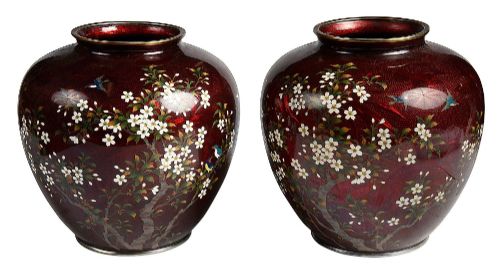
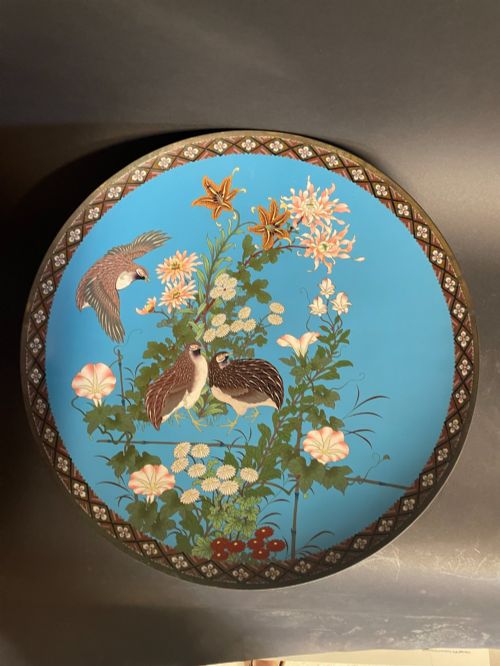
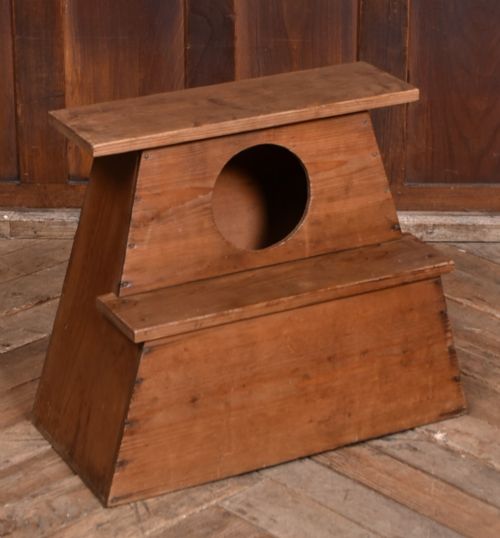
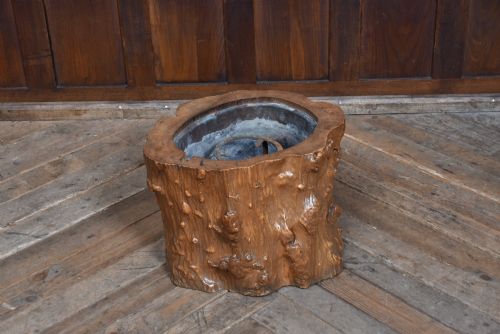
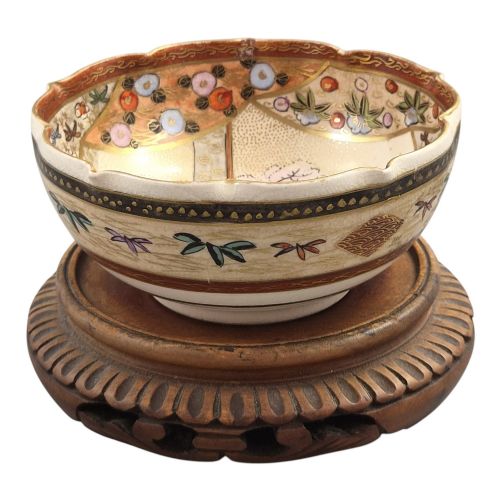
The material record demonstrates a rich variety of forms, encompassing Satsuma ware bowls, Imari chargers, and cloisonné vessels alongside utilitarian pieces such as wooden hibachi and bamboo ikebana baskets. These objects represent the intersection of traditional craftsmanship and the expanding global market of the era.
Materials and technique
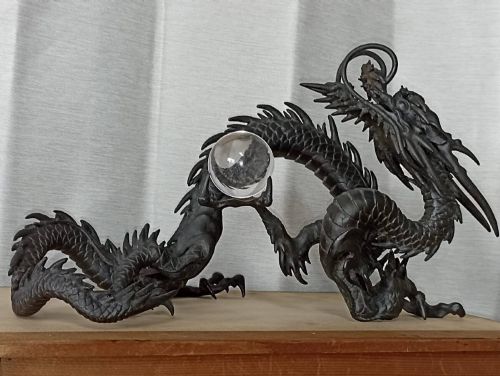
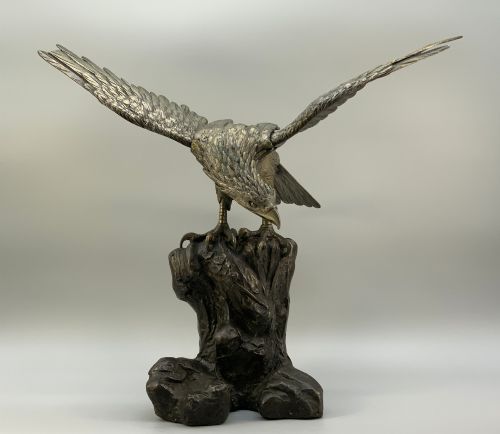
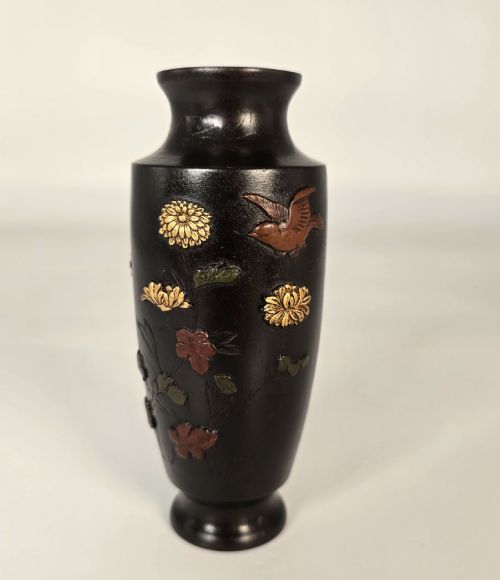
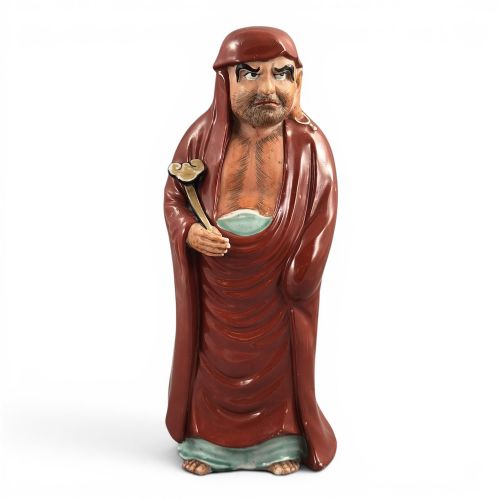
The physical evidence highlights a heavy reliance on metals such as bronze, brass, and copper, often patinated, inlaid, or worked into detailed sculptures like articulated insects and birds. Artisans also utilised ceramic traditions, shaping earthenware and porcelain before finishing them with flambe glazes, cobalt blue, and elaborate enamel work.
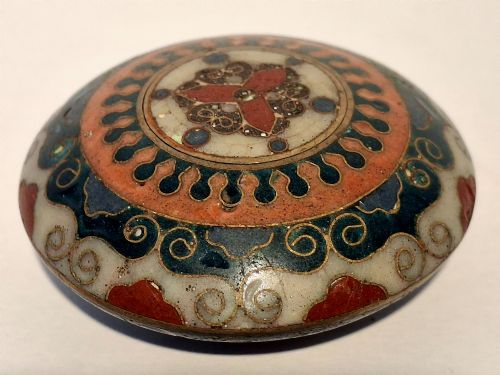
Surface decoration frequently involved cloisonné techniques using silver wire, delicate woodcarving, and the application of gold leaf on lacquer or ceramic bases. These processes required immense technical control, particularly in high-temperature firing and the precise placement of enamel cells.
Listings demonstrate a strong preference for 19th-century and early 20th-century dates, utilising materials such as bronze, porcelain, enamel, and earthenware.
Distinctions in quality
Lower-tier examples often exhibit repetitive patterns, simpler glazes, or less refined casting in bronze and brass, lacking the individual signature or inventive modelling found on works by notable workshops and named artists.
Inoue Ryosai·Makuzu Kozan·Ando Jubei·Hotoda·Kinkozan
The Meiji Period Japanese Art Glossary
- Okimono
- A standalone Japanese carving or sculpture intended for display in an alcove or on a shelf. These figures frequently depict animals, deities, or figures from folklore.
- Cloisonné
- A metalwork technique where compartments are created on a vessel using thin metal wire and filled with coloured enamel before firing. This method produced intricate pictorial designs across vases and plates.
- Imari
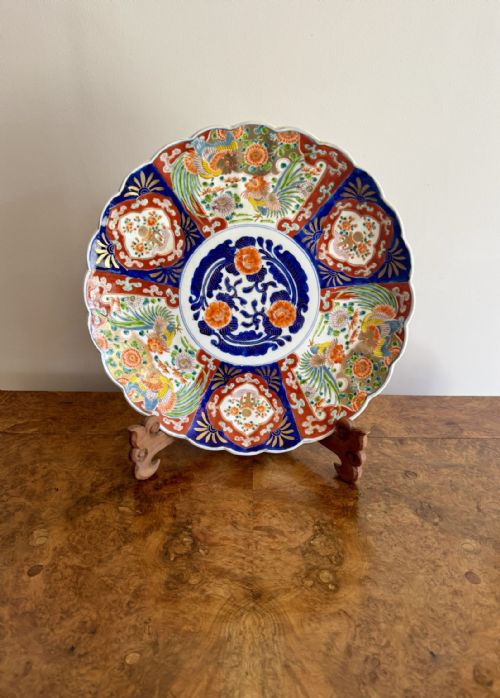
- A style of Japanese porcelain decorated in underglaze blue and overglaze red, gold, and green. It gained immense popularity for export during the period.
- Satsuma
- A type of earthenware pottery characterised by a fine, ivory-coloured crackle glaze, typically decorated with elaborate polychrome enamels and gilding. Pieces often emanated from the Kyoto region.
- Sumida Gawa
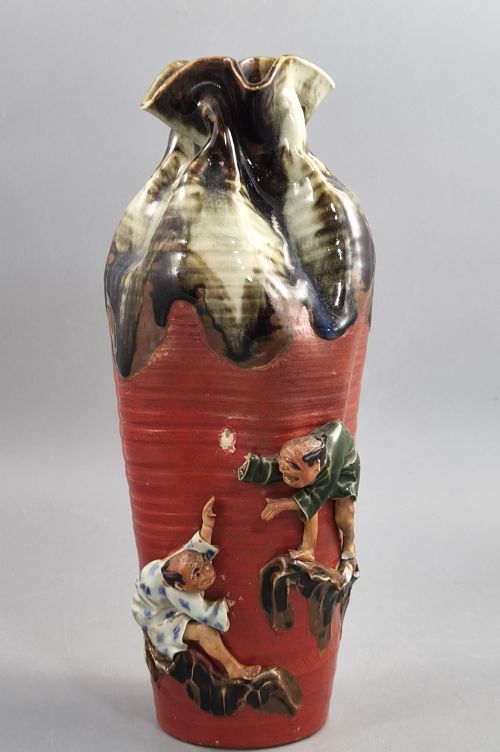
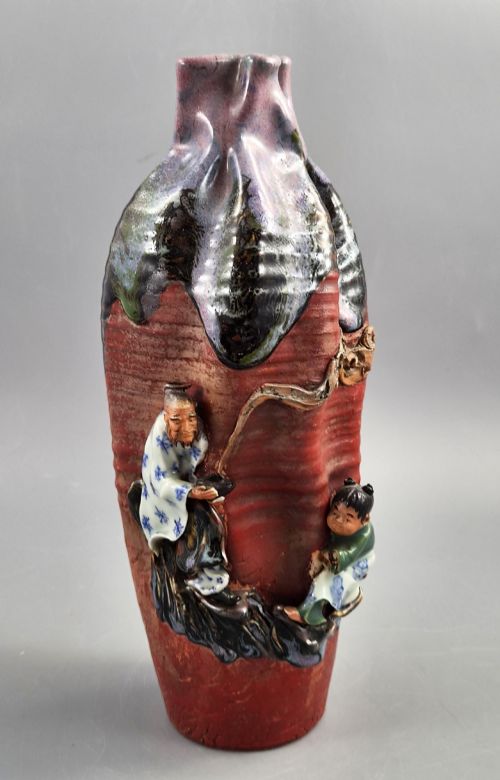
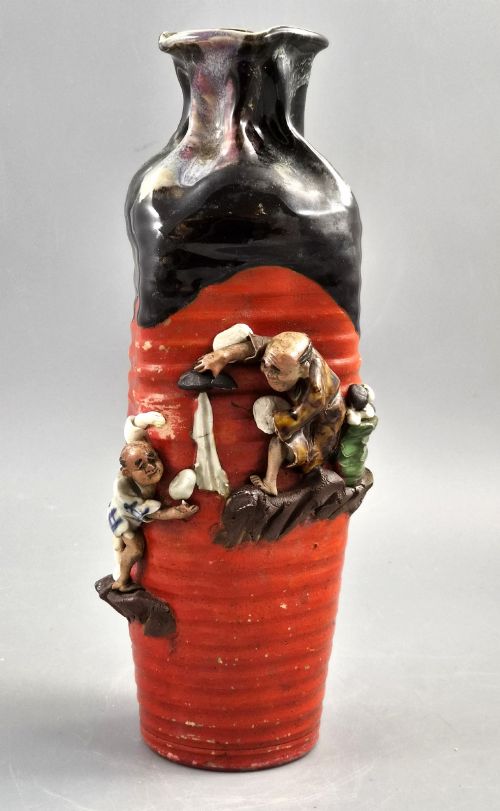
- A distinct style of Japanese pottery featuring heavily modelled, high-relief figures climbing over vessels with dynamic, uneven glazes. The tradition is closely associated with prominent Tokyo workshops.
Meiji Period Japanese Art: Frequently Asked Questions
What defines meiji period japanese art?
This category encompasses fine and decorative works produced in Japan during the reign of the Emperor Meiji, a time of intense artistic development and opening trade with the West.
The physical evidence shows a wide array of objects, from bronze animal sculptures and carved ivory to Satsuma pottery and cloisonné enamel vessels.
Were these objects made for export?
Many of the elaborate metalworks, cloisonné chargers, and large porcelain vases produced during this era were specifically created for international exhibitions and foreign collectors.
Export pieces frequently merged traditional Japanese motifs with western tastes for scale and decorative complexity, while domestic items remained focused on local daily use.
How should I care for antique bronze?
Antique bronze requires minimal intervention to preserve its original patination and surface integrity. Dusting with a dry, soft cloth is generally sufficient for regular maintenance.
Avoid using commercial metal polishes or liquid cleaners, as these can strip away historical patina and damage inlaid mixed-metal elements.