

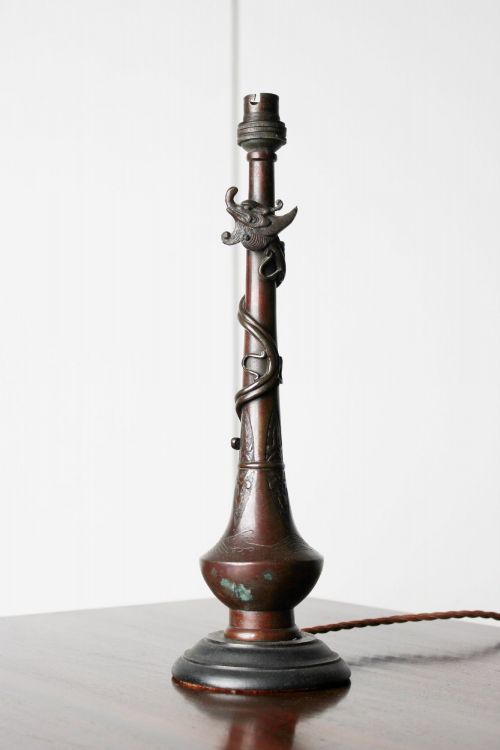




Meiji Period Bronze Lamp
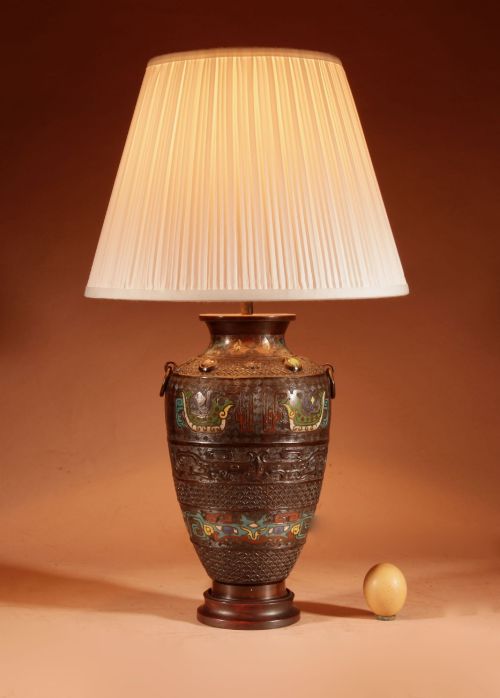
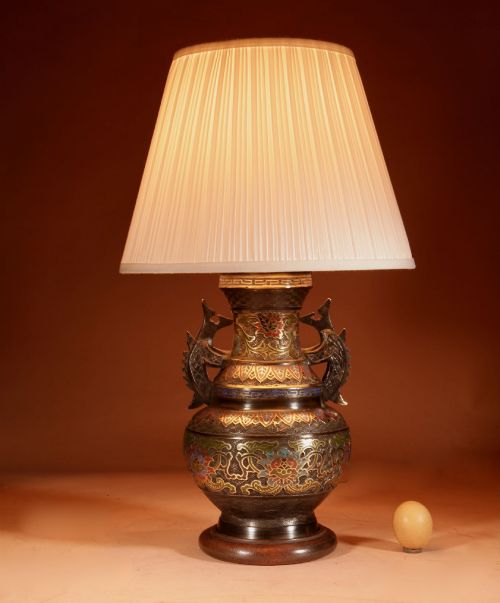
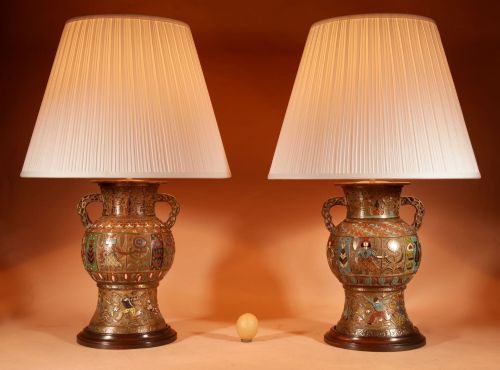
These meiji period bronze lamp examples bring rich cast metalwork and intricate Japanese craftsmanship straight into a room.
Meiji Period Bronze Lamp
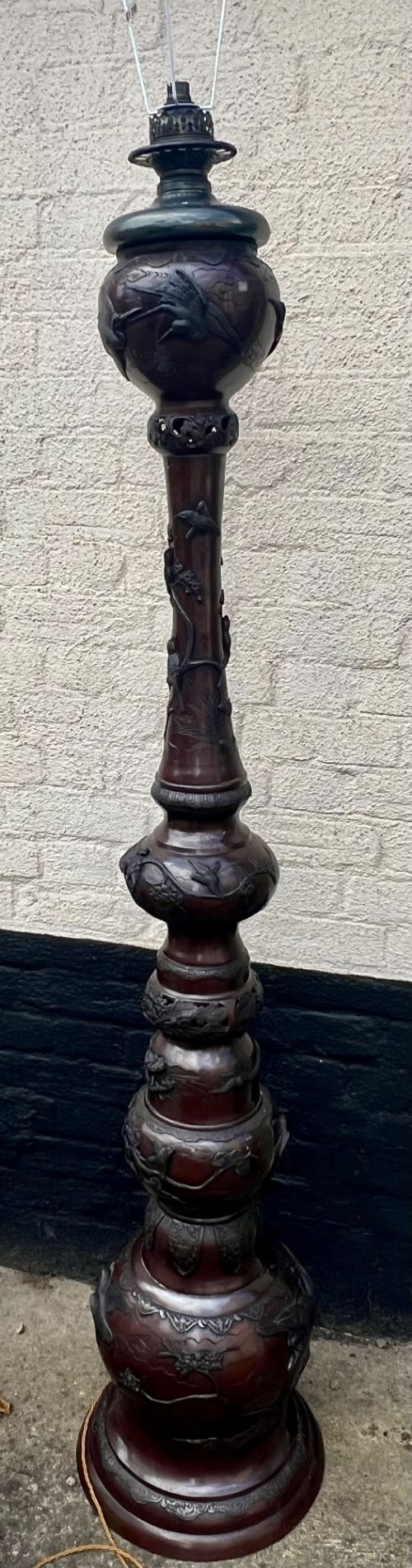
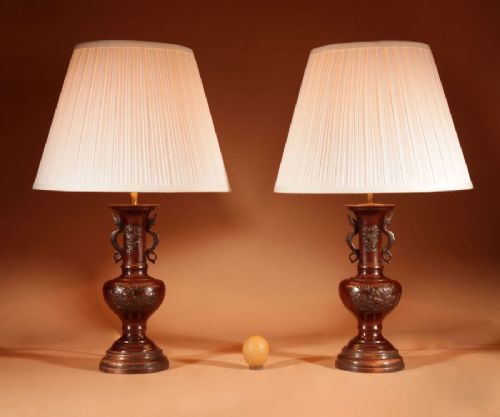
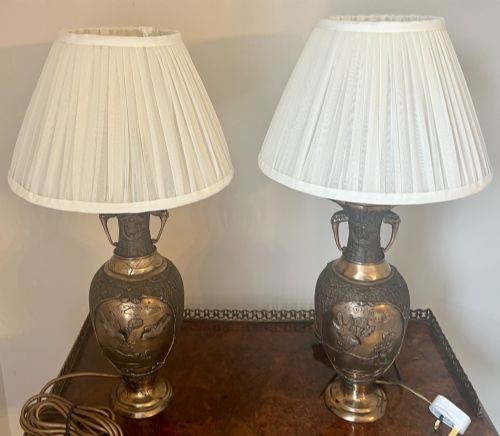
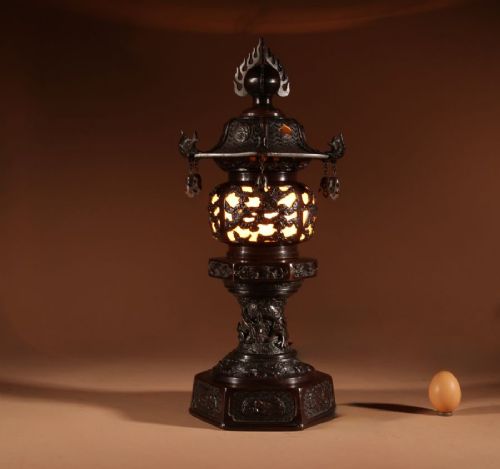
A meiji period bronze lamp brings Japanese metalwork into interior lighting, using cast bronze bodies shaped as vases, figures, or animals. Buyers exploring this phrase find both table lamps and taller floor standing pieces that often incorporate later electrical fittings.
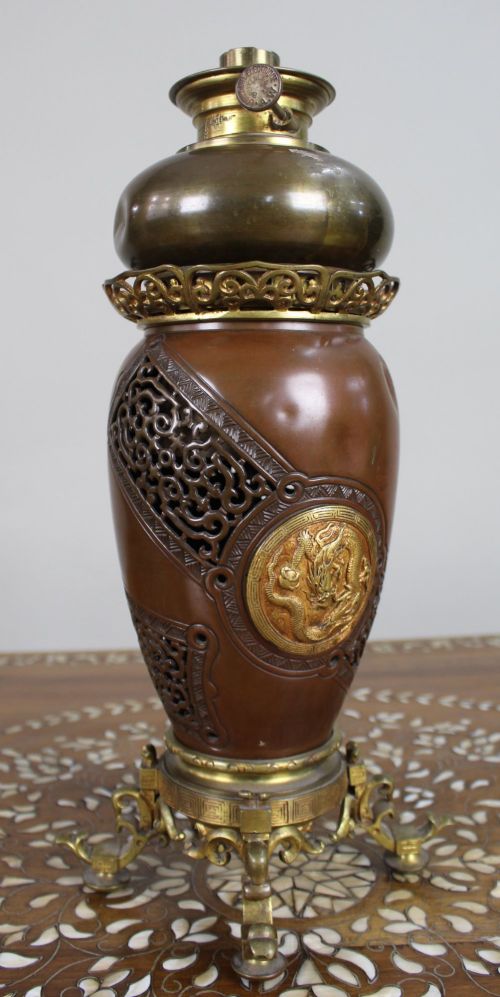
The selections here span standard table lighting alongside larger decorative floor lamps and converted oil lamps. Many pieces originate from the late nineteenth century and early twentieth century, showing distinct Japanese Meiji Period aesthetics.
How they were made
Makers utilised cast bronze as the primary structural material, frequently combining it with brass, gilt bronze, and wood. Surface decoration often incorporates colourful enamel in champlevé and cloisonné techniques.
Many examples pair the heavy cast metal bases with fabric shades, including silk, while some incorporate earthenware elements such as Satsuma pottery. These diverse materials combine to create substantial decorative lighting.
Meiji Period Bronze Lamp Retail Price Guide 2026
Typical asking prices for meiji period bronze lamp among the pieces listed under this phrase on Sellingantiques today, from the lower quarter to the upper quarter. They describe what is for sale here now, not the wider market.
Materials recorded across the inventory include bronze, brass, enamel, wood, earthenware, and silk.
What varies in quality
The standard of a meiji period bronze lamp depends upon the crispness of the bronze casting and the precision of the enamel work. Finer examples display deeply detailed motifs, such as dragons or elephants, executed with sharp relief.
Scale and proportion separate standard lighting from exceptional specimens, particularly in large pairs and lifesize figural works. The integration of original patination and the quality of secondary materials like wood and gilt bronze also influence the piece.
Yoshitani
The Meiji Period Bronze Lamp Glossary
- Meiji Period
- The era in Japanese history spanning from 1868 to 1912, characterised by opening trade with the West and distinctive decorative arts. Pieces from this time often feature traditional motifs rendered in bronze and enamel.
- Champlevé
- An enamelling technique where troughs are dug into the bronze surface and filled with vitreous enamel before firing. This method creates bold coloured patterns across the metal body.
- Cloisonné
- A technique involving thin metal wires soldered to a bronze base to form cells which receive enamel paste. The resulting surface displays intricate multi-coloured designs.
- Okimono
- A Japanese ornamental statue or object intended for display on a shelf or table. Many lamp conversions utilise these finely cast figures as their main body.
Meiji Period Bronze Lamp: Frequently Asked Questions
What is a meiji period bronze lamp?
These items are lighting fixtures created by mounting Japanese bronze vessels, vases, or okimono figures onto lamp bases. They date predominantly from the late nineteenth and early twentieth centuries.
Many were adapted for European and British interiors during the Victorian and Edwardian eras, combining Eastern metalwork with Western electrical wiring.
How do I identify a Meiji piece?
Look for distinct Japanese artistic motifs such as dragons, elephants, cranes, and floral patterns cast in heavy bronze. The presence of champlevé enamel, cloisonné work, or Satsuma earthenware often points to this period.
Most examples reflect the craftsmanship of Japanese workshops operating between 1868 and 1912, sometimes paired with later British fittings.
Were these originally made as lamps?
Many examples began life as decorative bronze vases, oil lamps, or sculptural okimono before receiving electrical conversions. Makers and retailers adapted these substantial metal objects to serve as functional table and floor lighting.
This adaptation explains why some listings describe vases or vessel forms alongside lamps.
Where should I place a bronze lamp?
These substantial pieces suit heavy wooden side tables, desks, or prominent living room corners where their patinated bronze and enamel can catch the light. Floor lamps work well beside armchairs or in hallways.
Ensure the placement allows adequate clearance for the scale of the metal base and any fabric shade.