



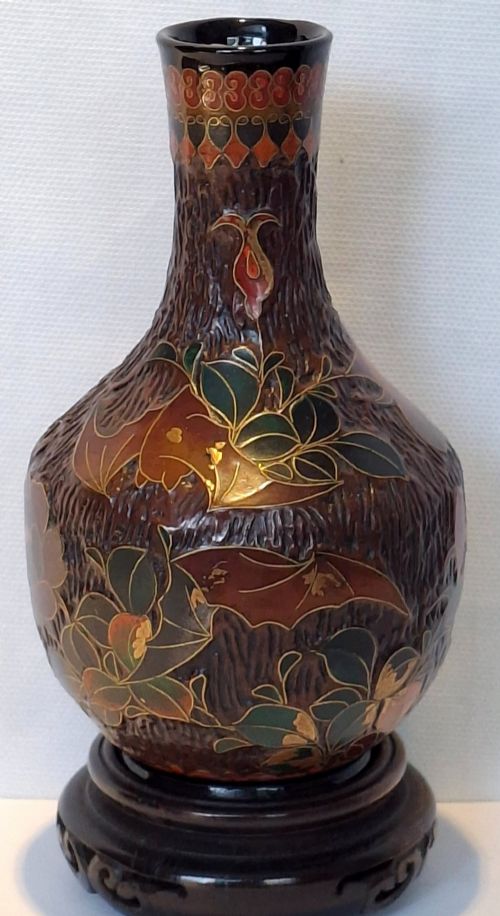
Meiji Cloisonne Art
These Japanese meiji cloisonne art pieces are intricate works of metal and enamel that bring centuries of craftsmanship straight to your cabinet.
Meiji Cloisonne Art
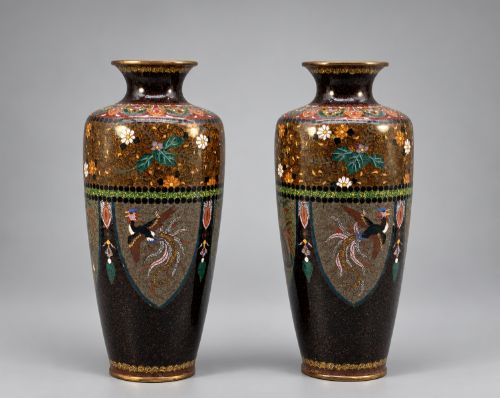
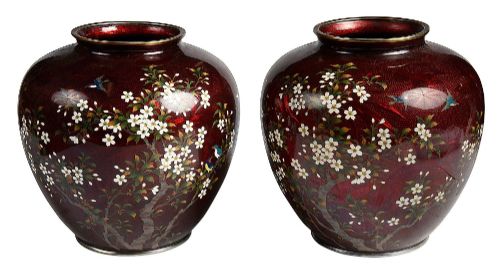
When you search for meiji cloisonne art, you are looking at items produced during a pivotal era of Japanese metalwork and decorative design, spanning from the Edo period through the late nineteenth century and into the Edwardian era. The pieces you are most likely to meet on this page include vases, decorative plates, chargers, and lidded jars featuring characteristic motifs of birds, dragons, samurai, peonies, and auspicious symbols.
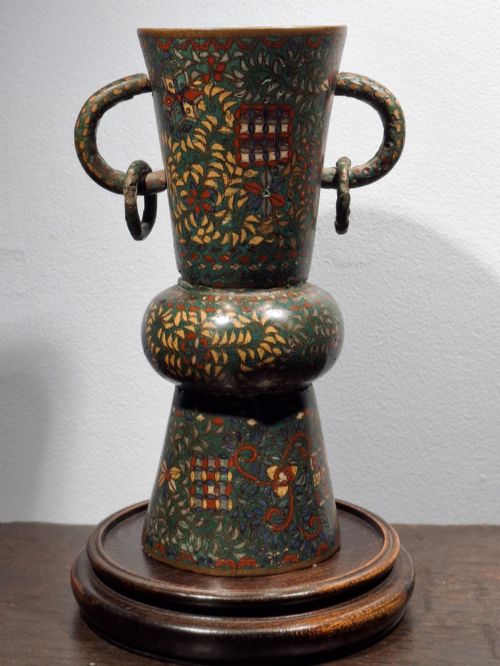
The selection ranges from miniature ritual vessels and netsuke to large chargers and censers, demonstrating the immense diversity of forms created during the period. Many examples display specific regional techniques and stylistic developments associated with the Japanese Meiji period, while others retain earlier Edo characteristics.
How they were made
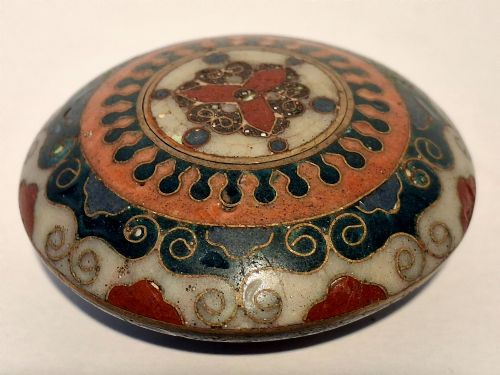
The construction of these pieces relies on the application of cloisonne enamel onto a metal body, typically copper, brass, bronze, or copper alloy, though specific examples utilise porcelain as a base for totai shippo ware. Artisans soldered thin metal wires, or cloisons, onto the substrate to form intricate cells that map out the design.
Once the wire framework was established, coloured enamel pastes were carefully packed into the individual compartments by hand before undergoing multiple firings in a kiln. After firing, the surface was ground down and polished until the metal wires and the glass-like enamel formed a smooth, continuous plane.
Silver foil was occasionally incorporated beneath translucent enamels to create luminous effects, adding depth and brilliance to feathers, foliage, and background details.
Meiji Cloisonne Art Retail Price Guide 2026
Typical asking prices for meiji cloisonne art among the pieces listed under this phrase on Sellingantiques today, from the lower quarter to the upper quarter. They describe what is for sale here now, not the wider market.
Some master craftsmen hid tiny signatures inside complex feather patterns, daring admirers to find them.
What varies in quality
The division between standard production and the upper tier of the range rests on the precision of the wirework and the complexity of the design. Masterpieces exhibit exceptionally fine, hair-thin wire cells that delineate complex subjects like samurai figures or detailed bird plumage with absolute clarity.
Surface finish and polishing standards also distinguish finer examples, where the plane of the enamel meets the metal wire without pitting, cloudiness, or irregularities in the glaze. The inclusion of signature marks and the sophistication of subsidiary border patterns further elevate the status of an object.
Ando
The Meiji Cloisonne Art Glossary
- Cloisonne Enamel
- A decorative technique where metal wires are soldered to a base to form cells filled with enamel paste and fired. This method creates detailed pictorial designs across vases, plates, and vessels.
- Totai Shippo
- A specific Japanese technique where enamel is applied to a porcelain body rather than a metal base, often finished to resemble natural textures like tree bark. It requires precise control during firing to bond the glass to the ceramic.
- Charger
- A large ornamental decorative plate intended for display on a wall or stand rather than for dining use. These pieces often feature the most ambitious pictorial compositions.
- Tsuba
- A traditional guard at the end of the grip of a Japanese sword, occasionally rendered in cloisonne enamel as a small decorative collector item. These portable metal works demonstrate miniature craftsmanship.
- Netsuke
- A small toggle or fastener carved or constructed to secure a pouch or small container to a traditional kimono sash. Examples ornamented in cloisonne represent highly specialised miniature art.
Meiji Cloisonne Art: Frequently Asked Questions
What is meiji cloisonne art?
These items are decorative Japanese objects made by applying coloured enamels into wire cells fixed to metal or porcelain bases. They reflect the artistic output of the Meiji period and surrounding eras.
Collectors encounter forms ranging from large ceremonial chargers to small miniature vases, all characterised by detailed pictorial motifs.
How do I date these pieces?
Dating relies on stylistic clues, manufacturing methods, and material choices recorded across pieces from the nineteenth century onward. Objects often align with the Meiji period or late nineteenth-century production standards.
Examining the metal base, wire thickness, and complexity of the enamel palette helps place an item within its historical timeframe.
Were these items meant for export?
Many fine examples from the Meiji period were produced specifically for international exhibitions and overseas collectors fascinated by Japanese artistry. This global demand spurred technical innovations in wirework and enamel clarity.
As a result, surviving objects frequently display a high degree of refinement tailored for western display cabinets.
How should I care for my piece?
These delicate works require gentle handling and stable environmental conditions away from direct sunlight and extreme temperature shifts. Dusting should be done lightly with a soft, dry cloth to protect the polished enamel and metal surface.
Avoid using liquid cleaners, abrasives, or immersion in water, as moisture can affect exposed base metals and older repairs.