


Meiji Bronze Statue
A meiji bronze statue brings the intense realism and animal studies of late nineteenth-century Japan straight to a room.
Meiji Bronze Statue
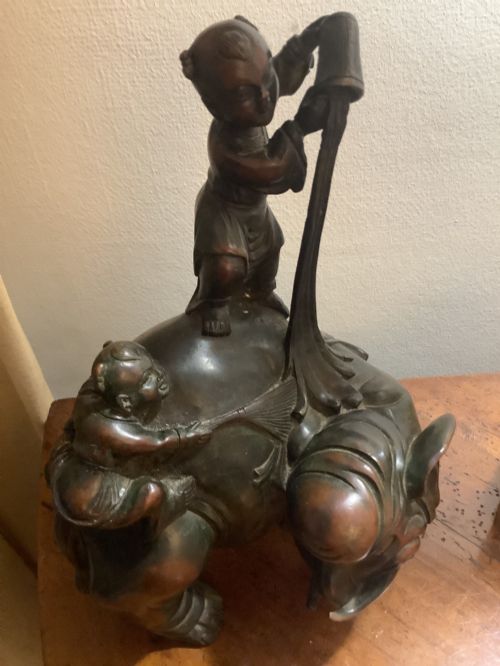
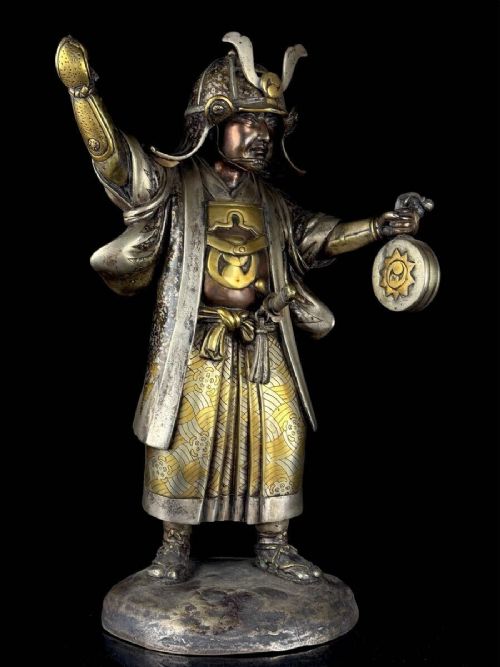
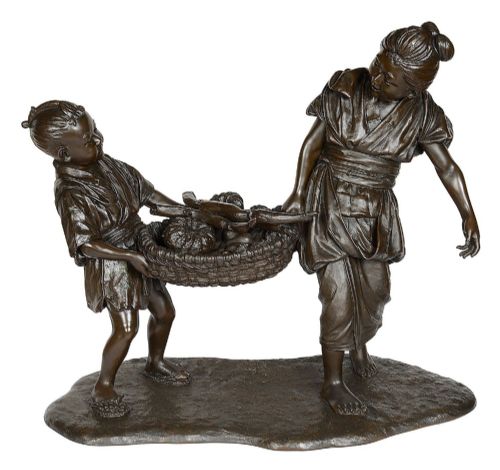
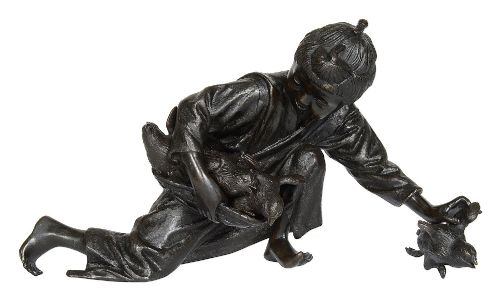
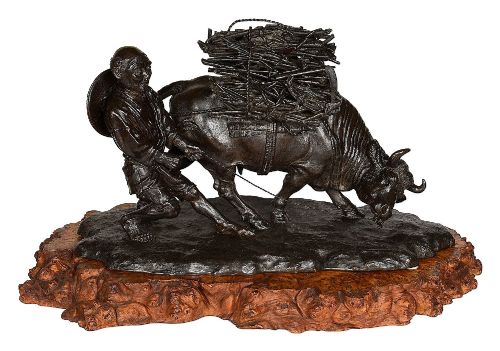
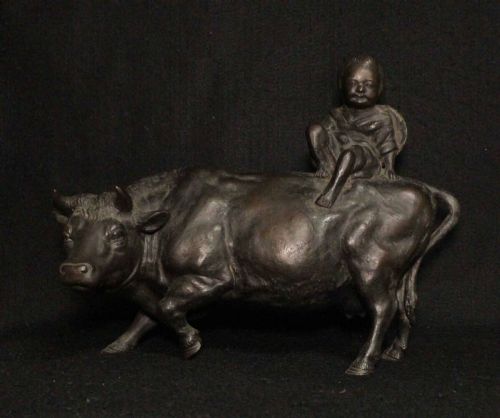
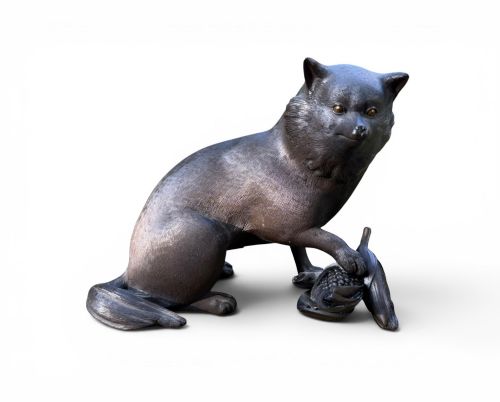
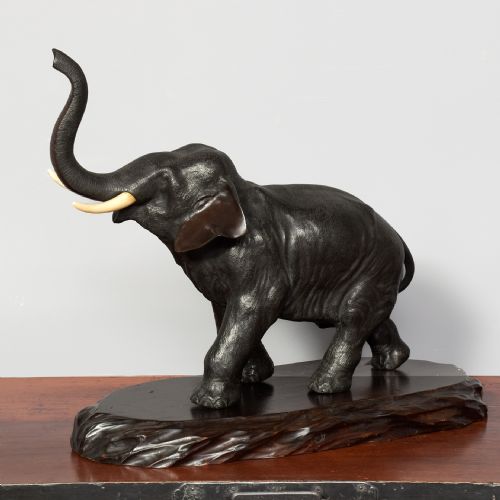
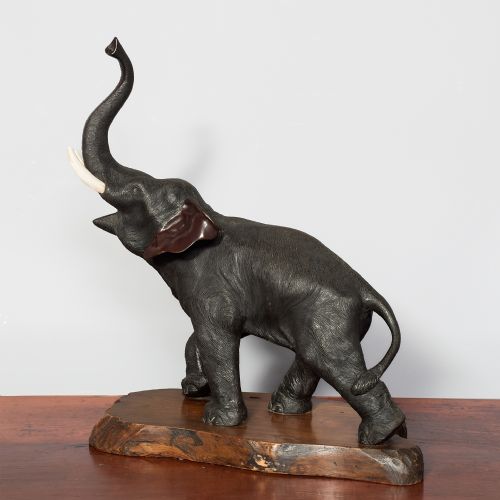
A meiji bronze statue is an objet d'art or okimono created during the Meiji period, depicting subjects from fierce tigers and elephants to monkeys, birds, and figures. These works range from small tabletop okimono to large garden statuary and dragon sculptures.
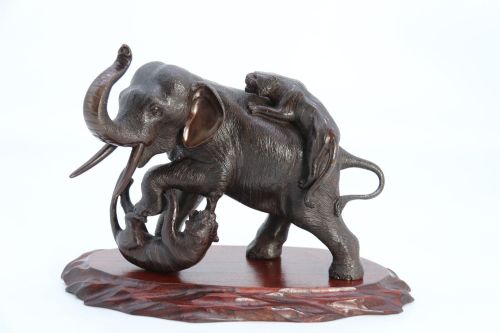
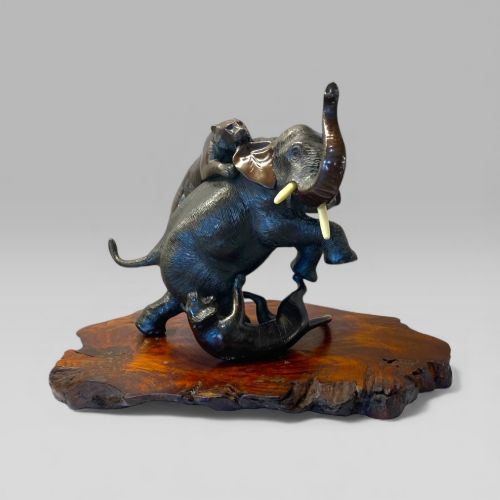
Most examples found here date from the late nineteenth century into the early twentieth century, reflecting the peak of Japanese metalwork exported to the West. The selection includes figures resting on root wood bases or naturalistic bronze terrain.
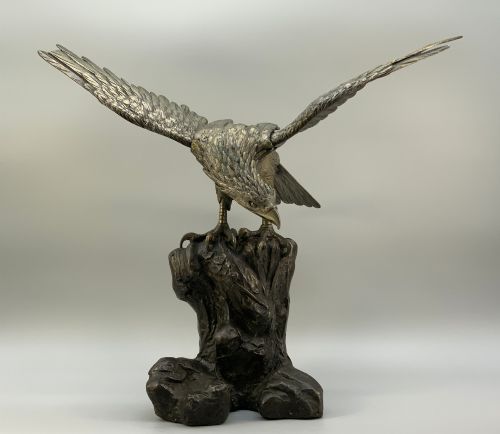
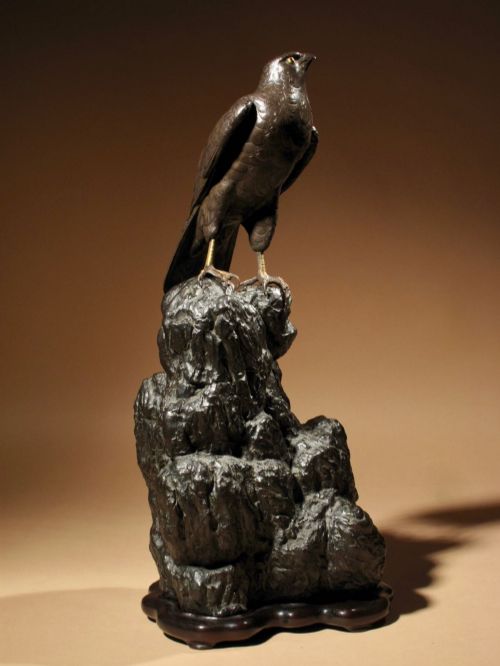
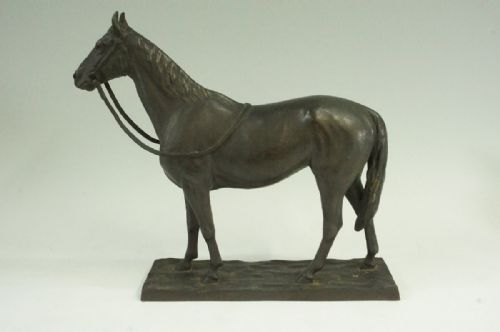
Makers often cast these pieces to capture dynamic action, such as elephants fighting tigers, hawks perched on craggy rocks, or horses caught in stride. Animal studies dominate the selection, alongside human subjects like woodsmen, scholars, and geisha girls.
How they were made
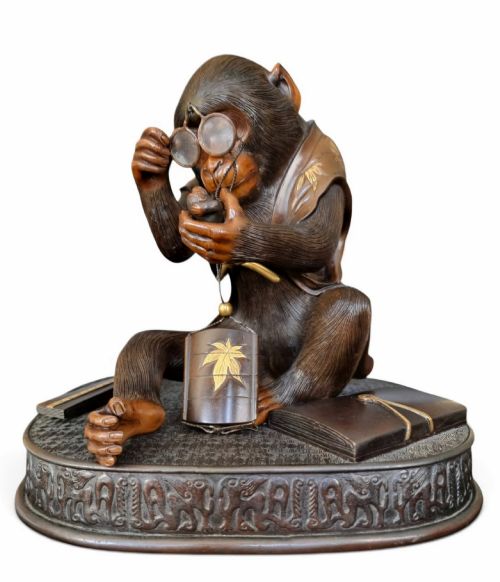
Foundries produced these pieces using lost-wax casting in bronze, frequently incorporating patinated finishes to achieve deep, varied tones on feathers, fur, and skin. Artisans added gold inlay, shakudo, or mixed metals to highlight specific details like eyes, harnesses, and decorative garments.
Some sculptures integrate organic elements such as root wood bases, bone, or ivory tusks to complement the cast metalwork. The integration of iron, brass, and stone appears across different workshops and foundry productions.
Meiji Bronze Statue Retail Price Guide 2026
Typical asking prices for meiji bronze statue among the pieces listed under this phrase on Sellingantiques today, from the lower quarter to the upper quarter. They describe what is for sale here now, not the wider market.
Rhinoceros beetles and tarantulas join elephants and tigers in this menagerie, proving that Meiji metalworkers studied insects with the same reverence as apex predators.
What varies in quality
Quality rests in the anatomical precision of the subject and the crispness of the chasing across fur, feathers, and facial expressions. The ambition of the composition, from a simple seated hawk to a complex multi-figure battle group, dictates the tier of the piece.
The presence of signatures from master metalworkers or recognised Tokyo foundries elevates an okimono above standard commercial export production. Surface patination depth and the successful integration of mixed-metal inlays further separate standard castings from masterworks.
Jomi Eisuke·Masaaki·Kunio Itô·Tsunemitsu·Kaniya Kuniharu·Sakai Kōzan·Seiunsai Miyamoto Sei·Unno Shomin·Gyoko·Haruyama Shunzan
The Meiji Bronze Statue Glossary
- Okimono
- An ornamental statue or sculpture designed for display on a shelf, tokonoma, or cabinet. These Japanese decorative objects encompass animals, figures, and mythical subjects.
- Shakudo
- A traditional Japanese billon alloy of copper and a small percentage of gold, treated to develop a dark blue-black patina. It provides rich contrast in mixed-metal sculptures.
- Patinated bronze
- Bronze that has been chemically treated to alter its surface colour, ranging from deep browns and blacks to green tones. This finish emphasises texture and relief.
- Lost-wax casting
- A metalworking method where a molten alloy is poured into a mould created by surrounding a wax model with a refractory material. The wax melts away, leaving a precise bronze duplicate.
- Mixed-metal
- The practice of combining various metallic alloys within a single sculpture, such as bronze, brass, gold, and iron. This technique creates contrasting highlights and realistic textures.
Meiji Bronze Statue: Frequently Asked Questions
What is a meiji bronze statue?
A meiji bronze statue is a Japanese metalwork sculpture produced during the Meiji period, depicting animals, human figures, or mythical creatures. These pieces range from delicate tabletop okimono to monumental garden ornaments.
Craftsmen utilised techniques like lost-wax casting and patination to achieve high levels of realism in subjects such as elephants, eagles, and monkeys.
How were these statues used?
Many smaller pieces served as okimono, decorative ornaments placed in domestic interiors for contemplation and aesthetic enjoyment. Larger figures and pairs of geese were created for gardens and courtyards.
Export demand in the West led Japanese workshops to produce varied scales, from cabinet sculptures to lifesize garden statuary.
How do I identify a meiji period piece?
Identification relies on stylistic markers such as naturalistic animal anatomy, mixed-metal details, and dark patinated surfaces typical of late nineteenth-century Japanese foundries. Many pieces bear artist signatures or foundry marks on the base or underside.
Materials like shakudo inlays and root wood bases also point toward this specific era of production.
How do I live with bronze sculptures?
Bronze sculptures require stable indoor conditions away from excessive moisture to preserve the original patination and mixed-metal inlays. Dusting with a soft, dry cloth is sufficient for routine maintenance.
Larger garden pieces need protection from harsh winter frost if kept outdoors year-round.