

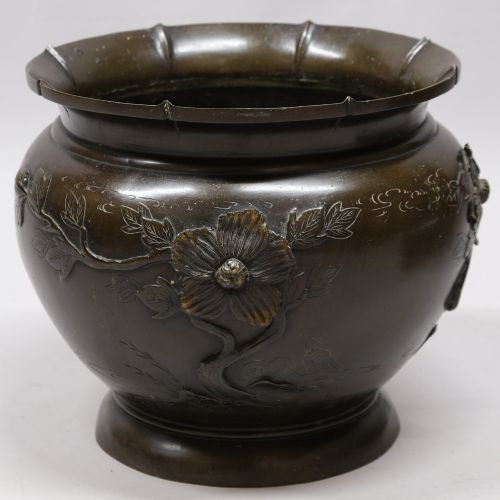


Meiji Bronze Pot
These pieces known as a meiji bronze pot bring heavy metal craftsmanship and detailed decorative motifs directly into your home.
Meiji Bronze Pot
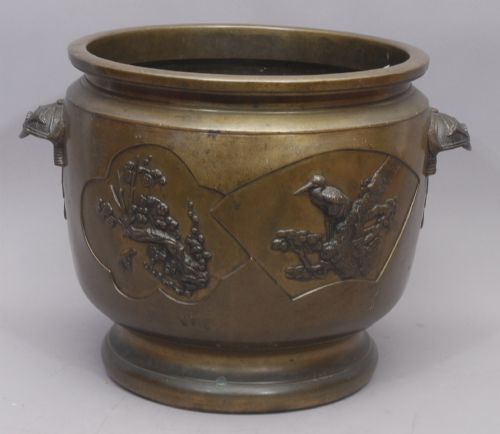
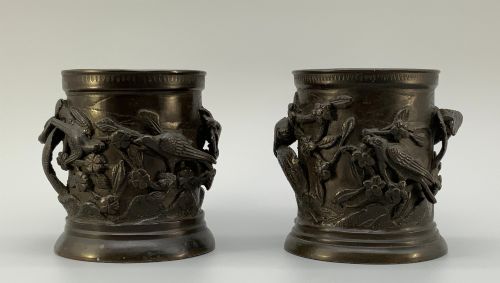
A meiji bronze pot encompasses various functional vessels originating from the nineteenth and early twentieth centuries. Buyers encounter jardinières, planters, vases, and brush pots designed for display or containment.
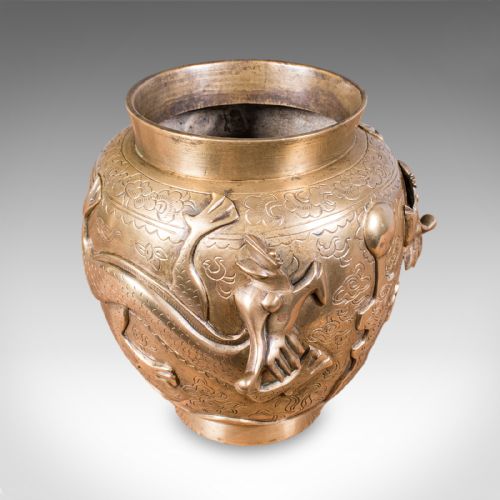
The objects link Japanese artistry from the Meiji period with Victorian import trends. Many examples combine traditional oriental motifs like dragons and birds with forms suited to Western interiors.
Makers produced these containers in multiple sizes, ranging from small posy vases to heavy jardinières weighing several kilograms. Each piece serves as a physical record of international trade and metalworking skill.
Materials and construction methods
Metalworkers utilised bronze, patinated bronze, and brass as primary materials for casting these vessels. Some items incorporate copper, silver, and gilt bronze elements to create contrast.
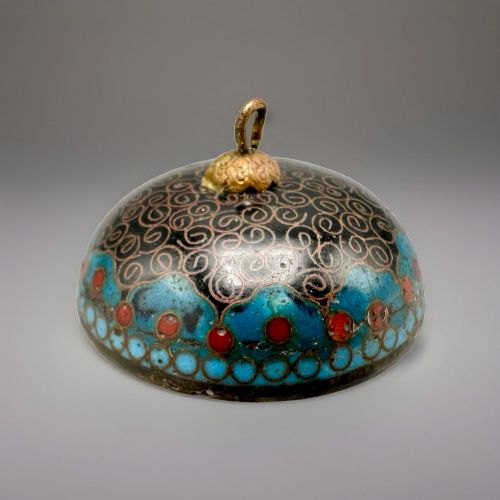
Surface decoration frequently involves intricate detailing such as cloisonné enamel and champlevé enamel applied across the metal body. Artisans also integrated mixed metals and carved wooden components into specific brush pots and planters.
Meiji Bronze Pot Retail Price Guide 2026
Typical asking prices for meiji bronze pot among the pieces listed under this phrase on Sellingantiques today, from the lower quarter to the upper quarter. They describe what is for sale here now, not the wider market.
One notably hefty Japanese bronze bowl tips the scales at two point seven kilograms, proving these pots mean business.
Distinctions in execution and finish
Superior examples display precise casting work in the rendering of motifs like dragons, birds, and blossom. Lesser pieces show simpler surface treatment with less attention to fine detail.
The depth and consistency of the original patination determine the visual weight of the bronze. Heavier vessels often demonstrate greater substance in their metal walls and more secure construction.
The Meiji Bronze Pot Glossary
- Jardiniere
- A large decorative pot or planter designed to hold growing plants or floral arrangements. These vessels often sit on heavy tables or pedestals.
- Patinated bronze
- Metal treated with chemical solutions or heat to alter its surface colour and texture. This process creates darker tones that highlight chased or cast details.
- Cloisonne enamel
- A technique where wire is soldered to a metal base to create compartments filled with coloured glass paste. Firing hardens the paste into vibrant decorative patterns.
- Brush pot
- A cylindrical vessel traditionally used in East Asia for holding writing brushes. In trade contexts, they doubled as decorative containers.
- Champleve enamel
- A method involving troughs or cells gouged out of the metal surface and filled with enamel before firing. The technique produces robust coloured designs integrated directly into the bronze.
Meiji Bronze Pot: Frequently Asked Questions
What is a meiji bronze pot used for?
These vessels originally served practical functions as planters, jardinières for large floral displays, and brush pots on writing desks. Today, they primarily function as decorative objects that anchor a room with period weight.
Collectors also utilise smaller versions as posy vases or display pieces on mantelpieces and sideboards.
How do I date a meiji bronze pot?
Dating relies on stylistic markers linking the piece to the Meiji period between eighteen sixty-eight and nineteen twelve, alongside overlapping Victorian import aesthetics. Many listings specify production windows around eighteen eighty or nineteen hundred based on design traits.
Material combinations like mixed metal applications and specific enamel types further narrow down the era of manufacture.
Are these pots made only of bronze?
While bronze forms the primary body, makers frequently incorporated brass, copper, and silver elements into the design. Some examples feature wooden bases or intricate enamel work across the exterior.
The inclusion of different metals reflects the experimental manufacturing techniques common during the late nineteenth century.
How do I care for patinated bronze?
Maintaining patinated bronze requires simple dusting with a soft, dry cloth to protect the chemical finish on the metal surface. Avoid using harsh chemical cleaners or metal polishes that can strip away the original colour and historical patina.
Keep the vessels away from direct moisture and extreme humidity to preserve the integrity of any enamel or mixed metal inlays.