


Meiji Bronze Casting
These Japanese bronze casting pieces bring intricate animal figures and vases from the Meiji period straight into your home.
Meiji Bronze Casting
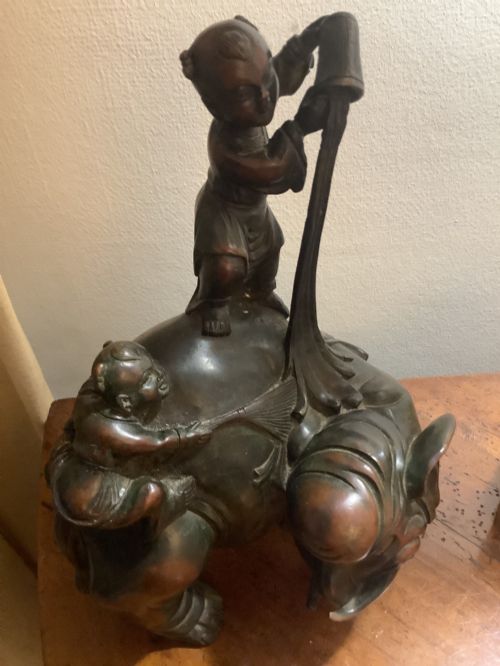
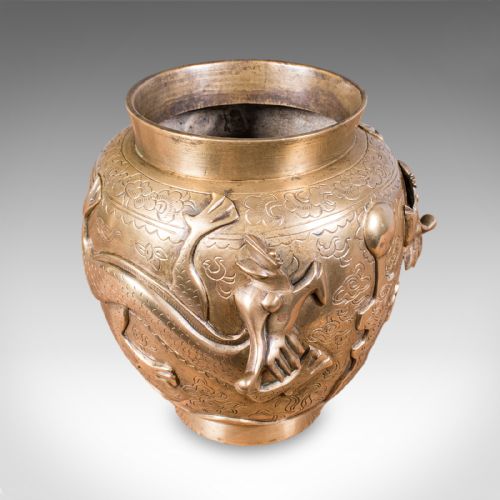
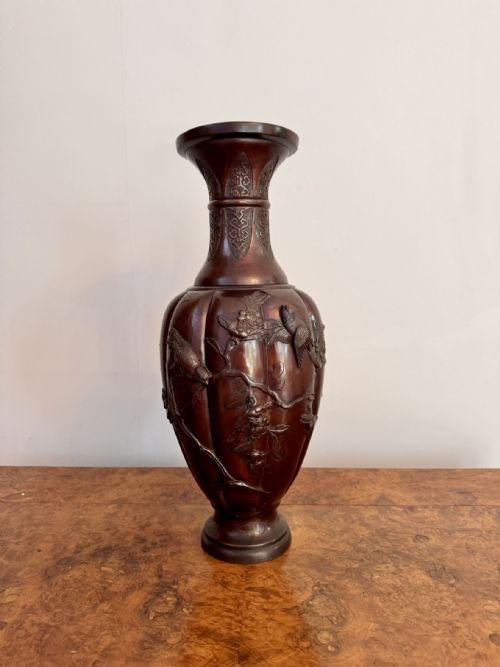
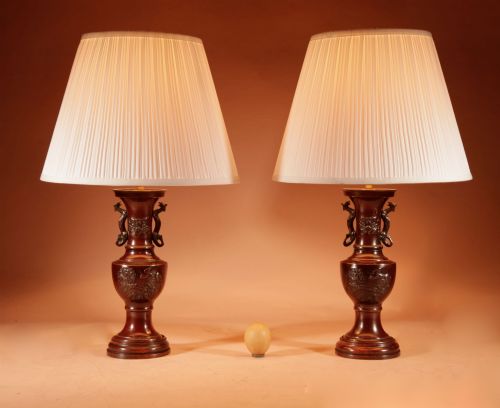
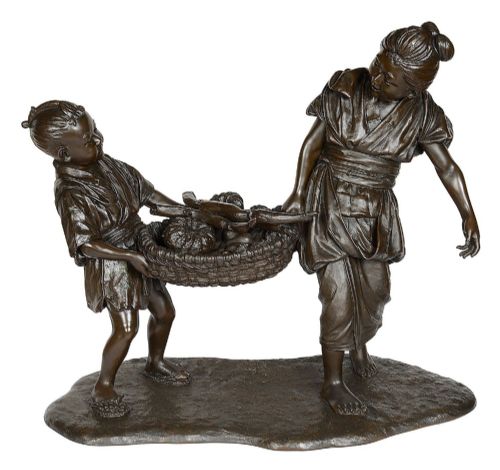
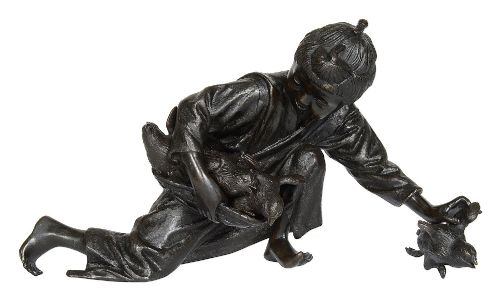
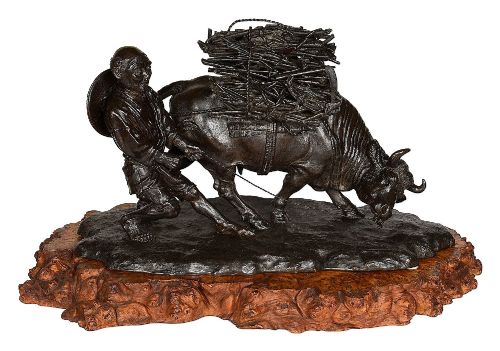
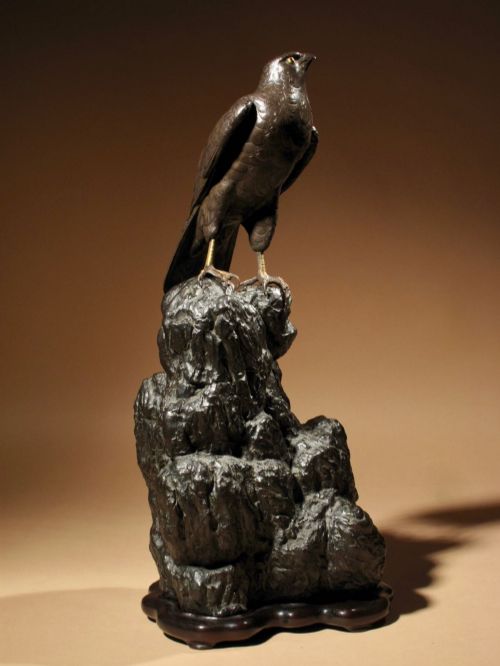
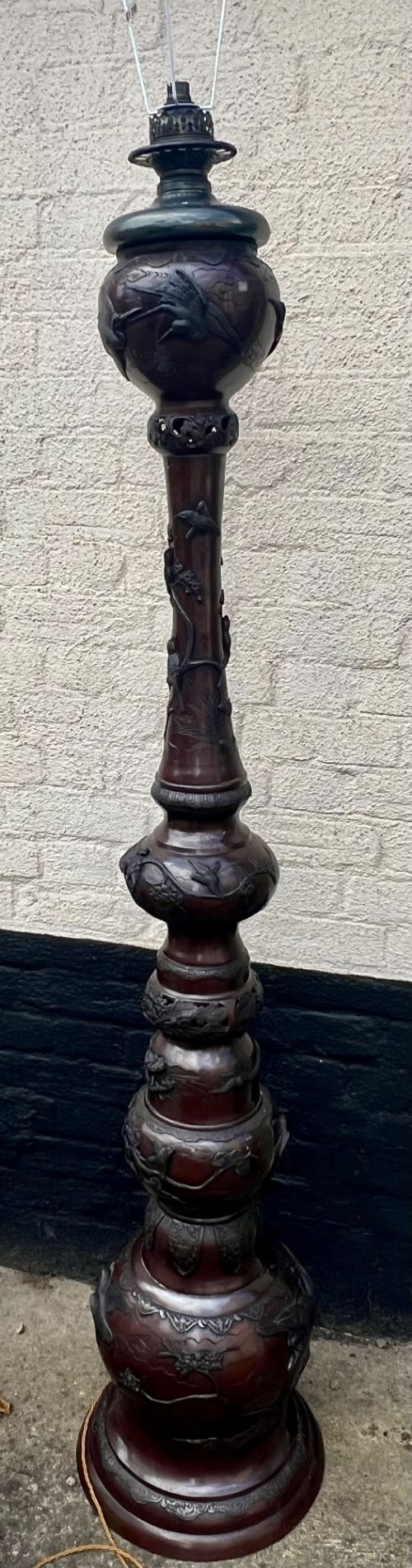
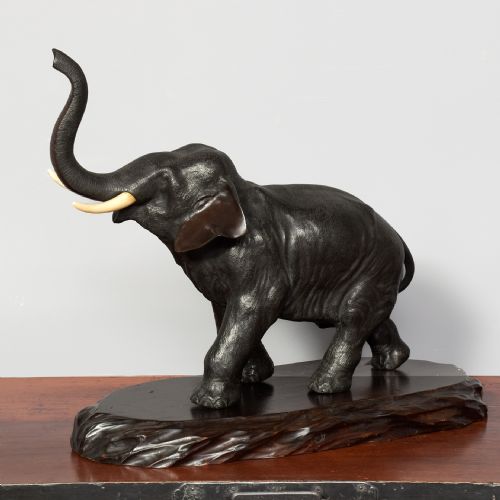
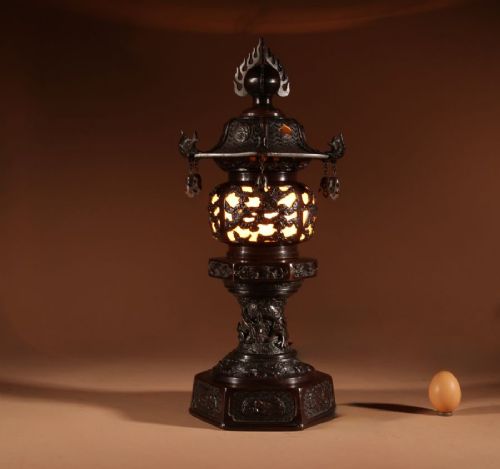
When you search for meiji bronze casting, you encounter sculptural works, vases, and lighting created during the late nineteenth and early twentieth centuries. These objects range from naturalistic animal okimono depicting dogs, elephants, and insects to ritual vessels and tall floor lamps.
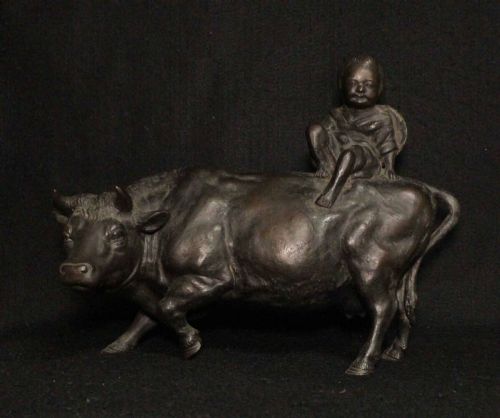
The selections on this page lean heavily towards Japanese artistry from the Meiji period, alongside related nineteenth century styles. You will frequently find figures of humans and animals paired with intricate patinated finishes.
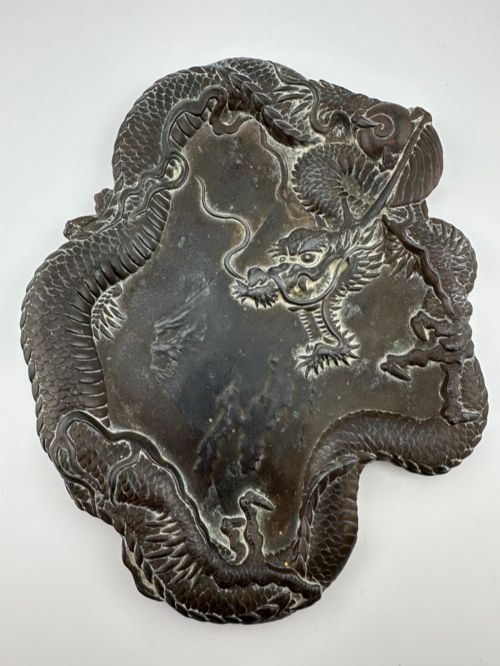
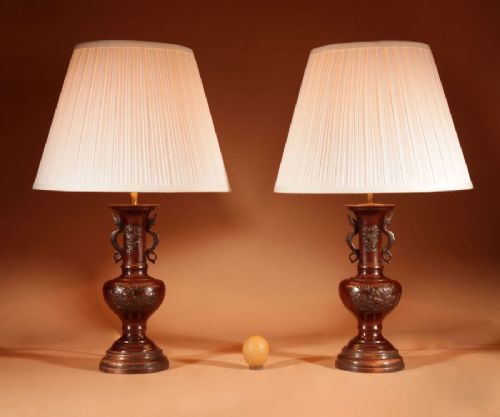
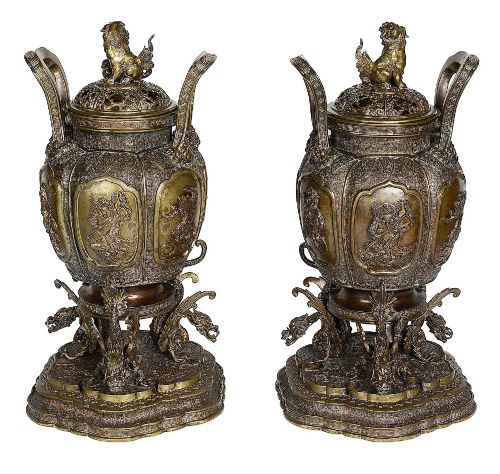
Functional pieces such as incense burners, jardinières, and table lamps appear alongside purely decorative sculptures. The forms capture both domestic scenes and mythical creatures like dragons and demons.
How They Were Made
The objects listed use bronze and patinated bronze as primary structural metals, often combined with enamel, wood, fabric, brass, bone, or ivory elements. Artisans utilised traditional foundry techniques to cast complex forms, integrating fine details such as inlaid eyes and engraved motifs.
Surface decoration frequently involves champlevé enamel work, adding coloured fields of glass paste to recessed metal channels. Many pieces rely on chemical patination to achieve deep brown, black, or metallic tones across the bronze surface.
Meiji Bronze Casting Retail Price Guide 2026
Typical asking prices for meiji bronze casting among the pieces listed under this phrase on Sellingantiques today, from the lower quarter to the upper quarter. They describe what is for sale here now, not the wider market.
Three sleeping puppies share shelf space with towering garden geese and an industrious rhinoceros beetle.
What Varies in Quality
Quality in these metalworks rests upon the sharpness of the casting and the sensitivity of the modelling. Superior examples display anatomical precision in figures like birds, elephants, and horses, capturing texture and movement without rigid lines.
The depth and nuance of the surface patination distinguish finer items from simpler production pieces. Artisans who maintained tight control over cooling and chemical treatments achieved subtle colour shifts across the bronze.
Kakuha Kanzaemon·Kunio Itô·Kaniya Kuniharu·Kibundo·Sakai Kōzan
The Meiji Bronze Casting Glossary
- Okimono
- A Japanese decorative statue or ornament designed for display on a shelf or in a tokonoma alcove. These sculptures often depict animals, figures, or mythical subjects in realistic detail.
- Champlevé
- An enamelling technique where artists gouge troughs into the bronze surface to hold coloured glass paste before firing. This creates flat patterns of enamel bordered by thin metal lines.
- Koro
- A traditional Japanese incense burner featuring a perforated lid to allow scented smoke to escape. These vessels frequently rest on three feet and include sculptural finials.
- Tetsubin
- A traditional Japanese cast iron kettle used for boiling water, often associated with fine metalwork foundries. They feature textured exteriors and fixed handles.
- Antimony
- A metallic alloy used in decorative metalware manufacturing during the Meiji period. It provides a stable base for complex cast objects.
Meiji Bronze Casting: Frequently Asked Questions
What is a meiji bronze casting?
These items are metal sculptures, vases, and lamps produced in Japan during the Meiji period and the early twentieth century. They showcase advanced foundry work and detailed surface patination.
Craftsmen created everything from small animal figurines to large floor lamps and garden ornaments using traditional techniques.
How do I display a bronze okimono?
Place these sculptures on stable wooden surfaces where adequate lighting highlights their patinated finishes and fine details. Ensure they sit away from direct moisture to protect the metal.
Larger floor or garden pieces suit open spaces or entryways where their full scale remains visible from multiple angles.
Are these pieces signed by artists?
Certain sculptures and vases bear signatures or foundry marks stamped directly into the bronze metalwork. These inscriptions often identify the specific workshop or artist responsible for the casting.
Unsigned pieces remain common and are judged purely on their casting quality, weight, and sculptural detail.
How should I clean bronze castings?
Dust the surface gently with a soft, dry cloth to prevent dirt accumulation within the recessed details. Avoid using chemical polishes that strip away the historic patination.
Preserving the original bronze finish maintains the character and visual depth developed over the decades.