




Medium Oak Dresser
A medium oak dresser brings sturdy storage and warm timber grain to a room, uniting utility with the character of older craftsmanship.
Medium Oak Dresser
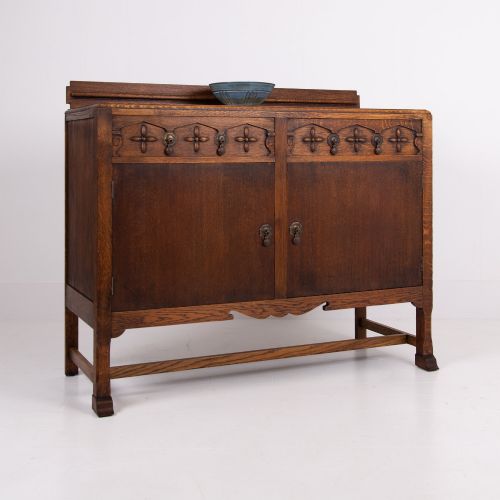
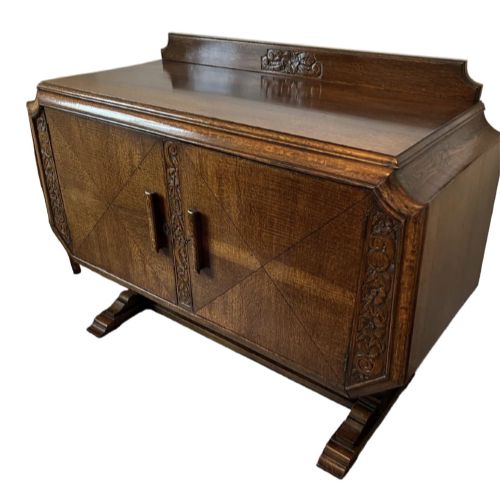
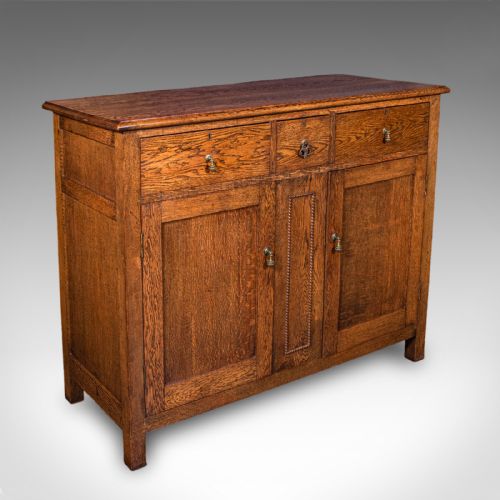
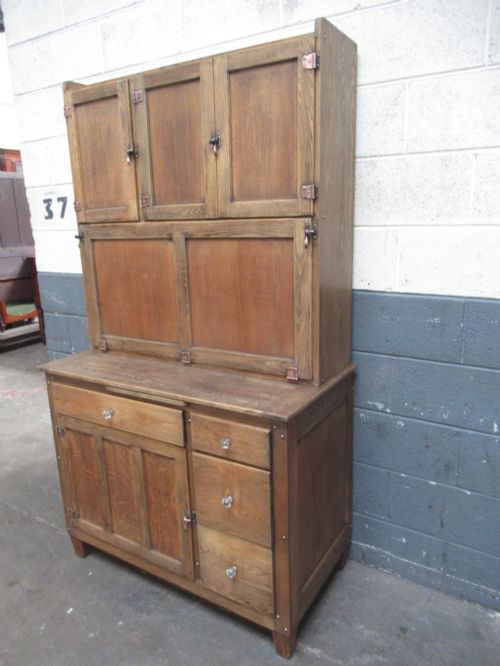
When you search for a medium oak dresser, you encounter pieces spanning the nineteenth and twentieth centuries, including Georgian country examples and later revivals. These items serve as functional storage furniture, often combining drawers, cupboards, and plate racks.
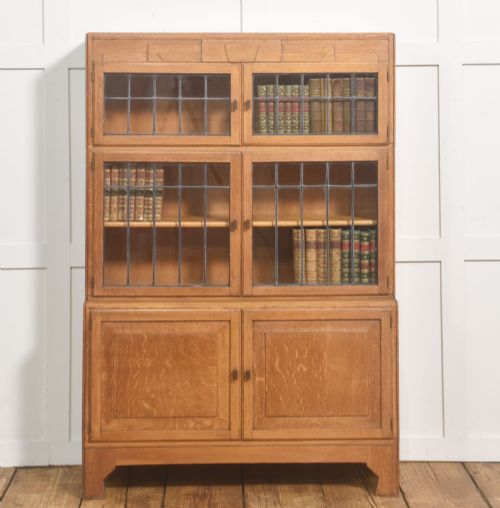
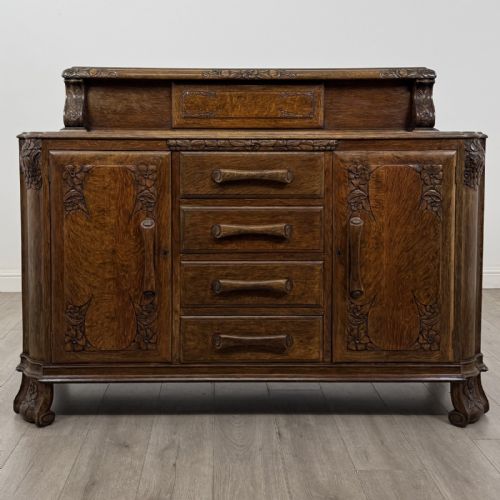
The versions most commonly met on this page range from Arts and Crafts side cabinets to Jacobean style dresser bases and Victorian bookcase variants. They display the warm mid-brown tones of timber developed over decades of use.
Makers and workshops from various periods applied traditional joinery to shape these robust items, ensuring they remain practical focal points in contemporary interiors.
Materials and construction
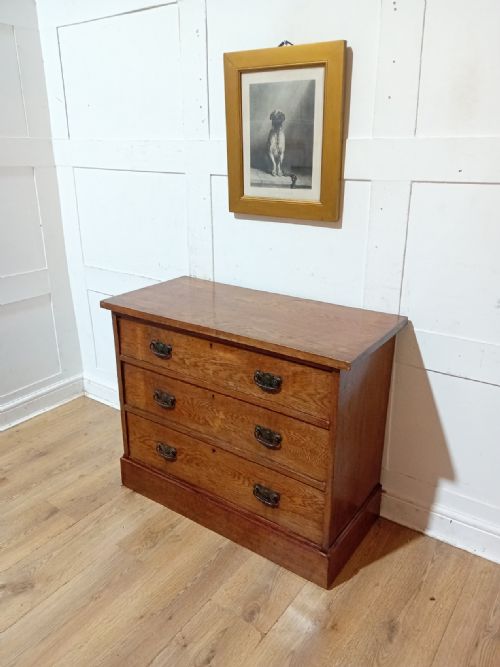
The primary material across these listings is oak, selected for its durability and prominent grain pattern. Joinery relies on traditional methods to build sturdy frames for chests, sideboards, and dressers.
Metal fittings such as brass and iron provide functional hardware for handles and hinges, while glass appears in leaded bookcase doors and mirrorbacks add decorative depth to sideboards.
Medium Oak Dresser Retail Price Guide 2026
Typical asking prices for medium oak dresser among the pieces listed under this phrase on Sellingantiques today, from the lower quarter to the upper quarter. They describe what is for sale here now, not the wider market.
Listings feature oak combined with brass, iron, and leaded glass across styles ranging from Art Deco and Art Nouveau to Victorian and Georgian Country.
Distinguishing quality
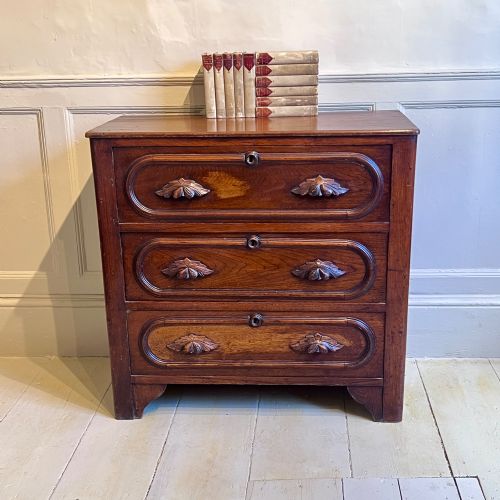
The distinction between tiers of quality rests on the crispness of carved details, the integrity of the timber, and the harmony of original hardware. Superior examples display thoughtful proportions and careful selection of oak boards.
Liberty of London
The Medium Oak Dresser Glossary
- Dresser base
- A low sideboard or cabinet featuring drawers and cupboards without the upper plate rack. This form provides a surface for display while keeping storage at a accessible height.
- Arts and Crafts
- A design movement prioritising handcrafting and simple, honest construction over industrial excess. Pieces from this style often feature exposed joinery and unpretentious oak surfaces.
- Jacobean Revival
- A later stylistic movement mimicking the heavy, geometric ornamentation of seventeenth-century furniture. It frequently incorporates moulded panels and turned supports.
- Leaded glass
- Small panes of glass held together by strips of lead to form a patterned window within a cabinet door. This technique dates back centuries and appears on period bookcases.
- Mirrorback
- A wooden sideboard or dresser featuring an integrated mirror standing upright at the rear. This addition reflects light and displays decorative objects placed upon the ledge.
Medium Oak Dresser: Frequently Asked Questions
How do I care for a vintage oak dresser?
Keep wooden furniture away from direct heat sources and sudden temperature shifts to prevent the timber from splitting. Regular dusting with a soft cloth maintains the natural lustre of the oak finish.
Apply a traditional beeswax polish occasionally to nourish the wood surface. Avoid silicone-based sprays, which can build up and attract dust over time.
What is the difference between a dresser and a sideboard?
Traditionally, a dresser includes upper shelving or a plate rack for displaying ceramics alongside base storage. A sideboard is lower, focusing primarily on surface space and enclosed cupboards or drawers.
Over time, these terms occasionally overlap in descriptions, particularly when dealing with antique variants and regional naming conventions.
How can I tell a Georgian piece from a later revival?
Georgian furniture generally displays simpler, structural proportions and timber patination accrued over centuries of use. Construction details often reveal hand-cut joinery specific to the eighteenth or early nineteenth century.
Revival pieces, such as those from the late Victorian or interwar periods, frequently mix stylistic elements or use machinery alongside hand tools, showing different ageing patterns in the oak.
Where should I place a medium oak dresser in my home?
A medium oak dresser fits naturally into a dining room or kitchen to store tableware and linens while displaying decorative ceramics. The warm timber tones also anchor a living room or hallway as a primary storage unit.
Ensure the floor is reasonably level to prevent doors and drawers from sticking within their frames. Allow adequate clearance for cabinet doors to swing open fully.