






Medieval Church Carving
These medieval church carving pieces bring centuries of sacred history into a room, offering genuine architectural and sculptural presence.
Medieval Church Carving
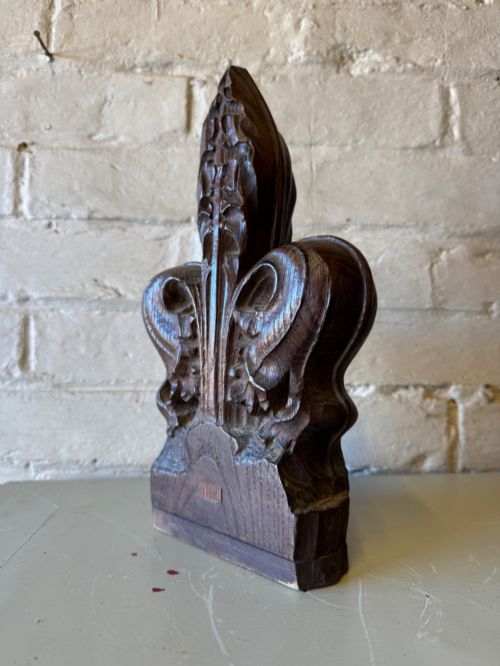
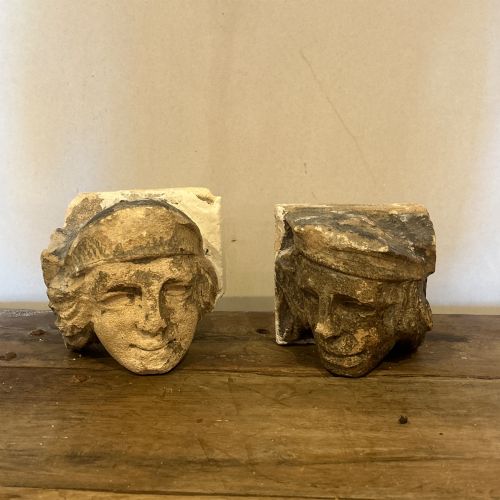
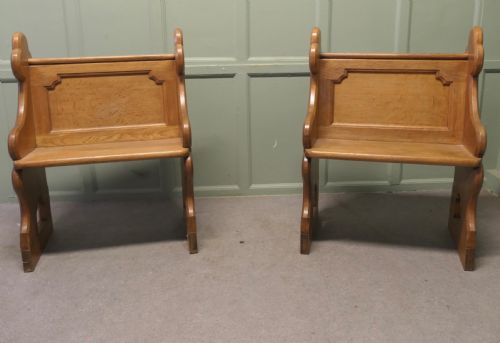
A medieval church carving represents sacred figures, architectural fragments, and ecclesiastical seating shaped during the pre-16th century and 16th century periods. Buyers encounter stone corbels, oak figures of saints, and structural fragments carrying Gothic styles.
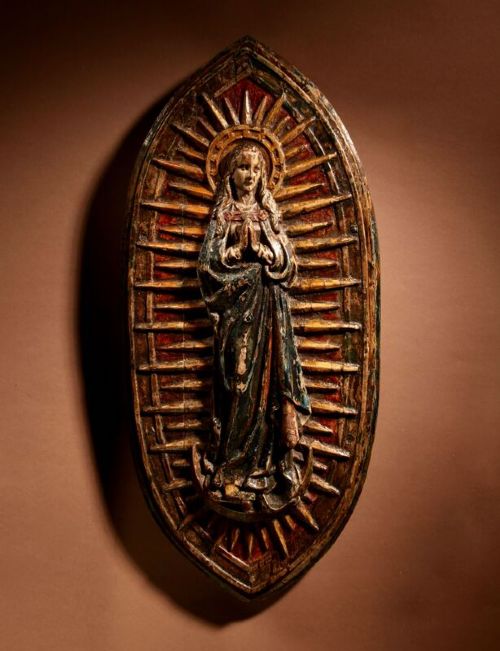
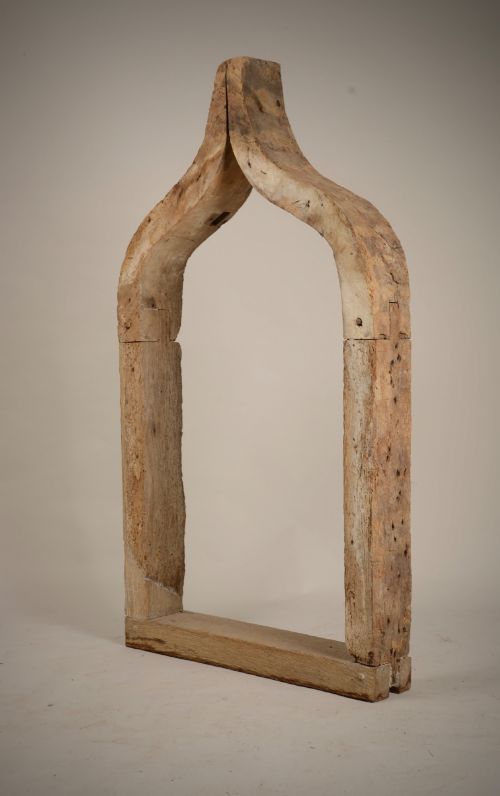
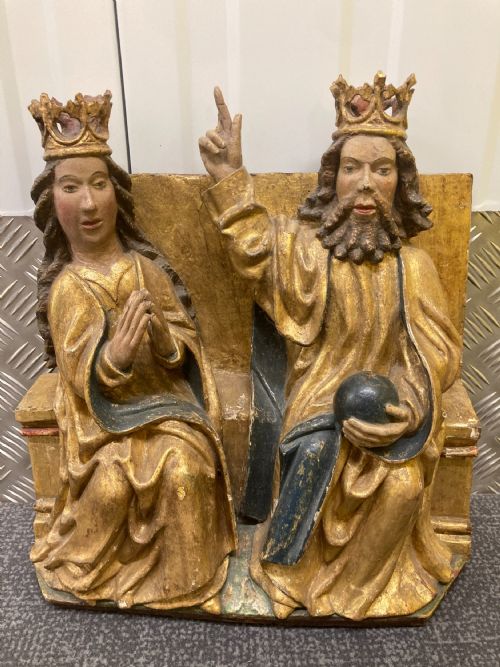
The selection ranges from architectural salvage like window frames to devotional sculptures of the Madonna and child. Many items trace their origins to English, German, and Upper Rhine workshops.
Later Victorian interpretations, including Gothic Revival chairs, sit alongside genuine pre-reformation thrones and wall sculptures. Each object reflects the devotional function of its original ecclesiastical setting.
What varies in quality
The depth of carving and the expressive quality of the figures distinguish superior pieces from simpler work. Sculptures retaining original polychrome paint or gold leaf command greater interest.
The integrity of the material, whether timber or stone, influences the character of the survival. Pieces that maintain their architectural context or structural form offer a clearer view of period craftsmanship.
Medieval Church Carving Retail Price Guide 2026
Typical asking prices for medieval church carving among the pieces listed under this phrase on Sellingantiques today, from the lower quarter to the upper quarter. They describe what is for sale here now, not the wider market.
Several figures maintain a steadfast gaze through centuries of paint loss, watching modern rooms with medieval patience.
The Medieval Church Carving Glossary
- Corbel
- A structural piece of stone projecting from a wall to support a weight. These architectural elements often feature carved faces or figurative designs.
- Polychrome
- Painted in several colours. This surface decoration was commonly applied to wood and stone church sculptures.
- Gothic
- An architectural and artistic style spanning the medieval period. It is characterised by pointed arches and vertical emphasis.
- Ecclesiastical
- Relating to the Christian Church or its clergy. Pieces with this designation originate from religious buildings.
- Giltwood
- Wood that has been covered with gold leaf or a thin layer of gold paint. This finish enhances sacred figures and altarpieces.
Medieval Church Carving: Frequently Asked Questions
How do I identify a genuine medieval church carving?
Examine the tool marks and the natural ageing of the wood or stone. Genuine period pieces show hand-carved surfaces consistent with early workshop methods.
Compare the style of the carving and the material against known period examples. Surviving traces of early polychrome paint or gold leaf can also indicate age.
Where were these carvings originally placed in churches?
Figures of saints and altarpiece panels usually stood within the chancel or around the main altar. Architectural fragments like corbels supported roof timbers or vaulting.
Seating such as ecclesiastical thrones and hall chairs belonged to clergy or important patrons within the church interior.
How should I care for wooden church carvings?
Keep wooden sculptures away from direct heat sources and fluctuating humidity. Stable indoor environments prevent the timber from splitting.
Dust the surfaces gently with a dry, soft brush. Avoid applying modern polishes or cleaning agents to historic finishes.
What is the difference between medieval and Gothic Revival carvings?
Medieval carvings date from the pre-reformation era and carry the direct devotional function of their period. They show the natural wear of centuries of ecclesiastical use.
Gothic Revival pieces originate from later periods like the nineteenth century. They imitate medieval forms while utilising nineteenth-century construction techniques.