
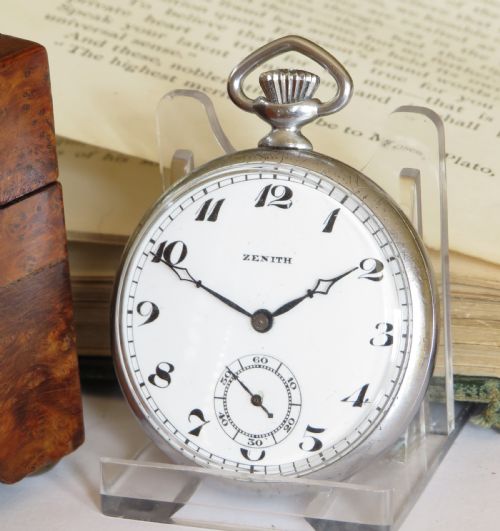
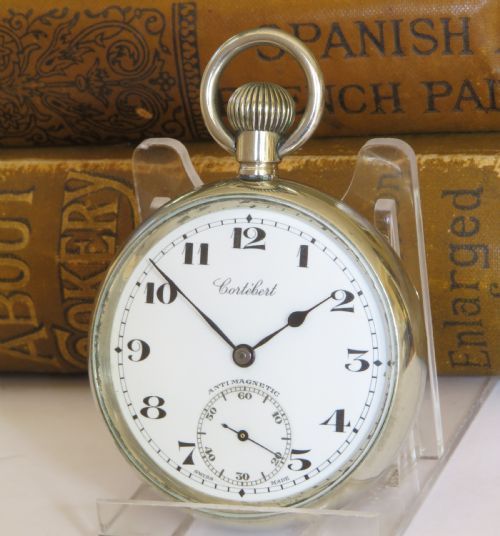
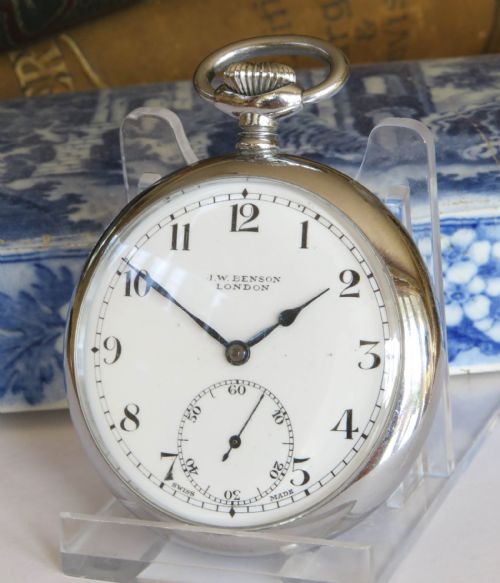
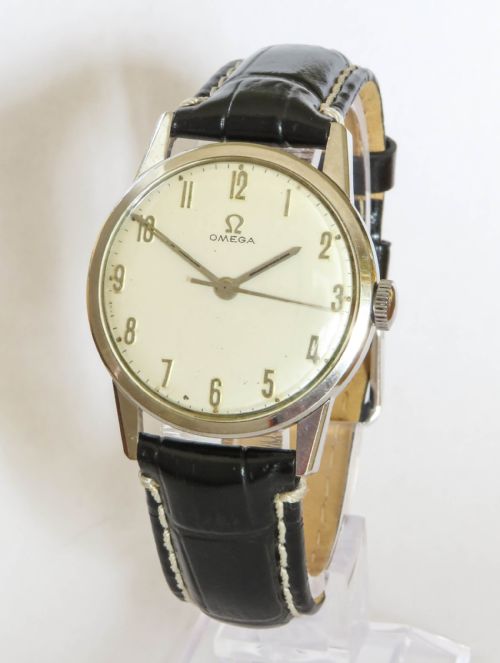
Mechanical Movement Watch
When you handle a mechanical movement watch, you hold a century of intricate gears, springs and ticking horology from the Victorian era to the swinging sixties.
Mechanical Movement Watch
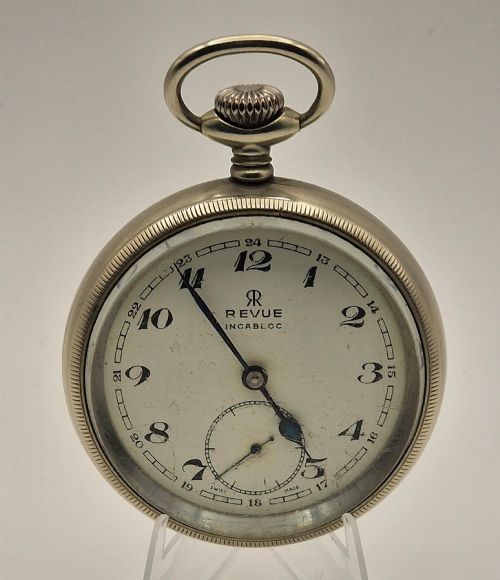
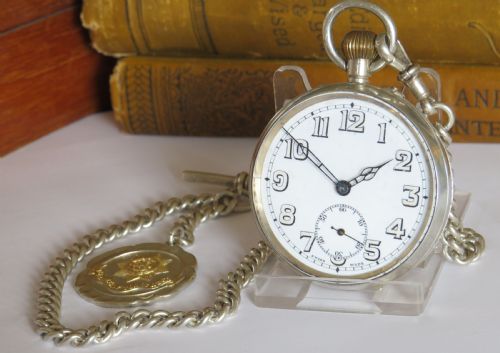
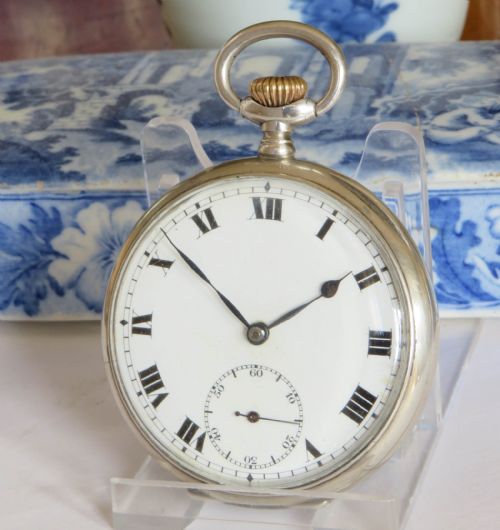
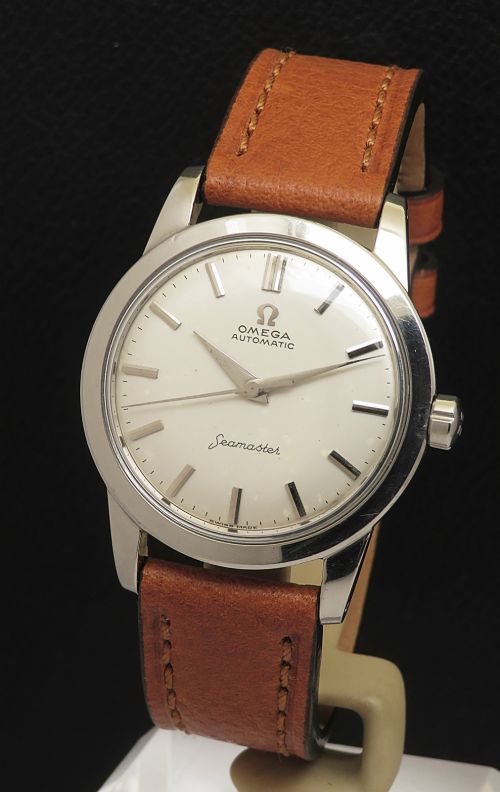
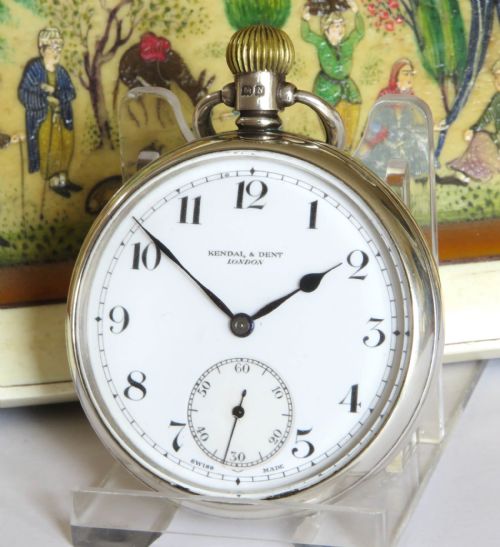
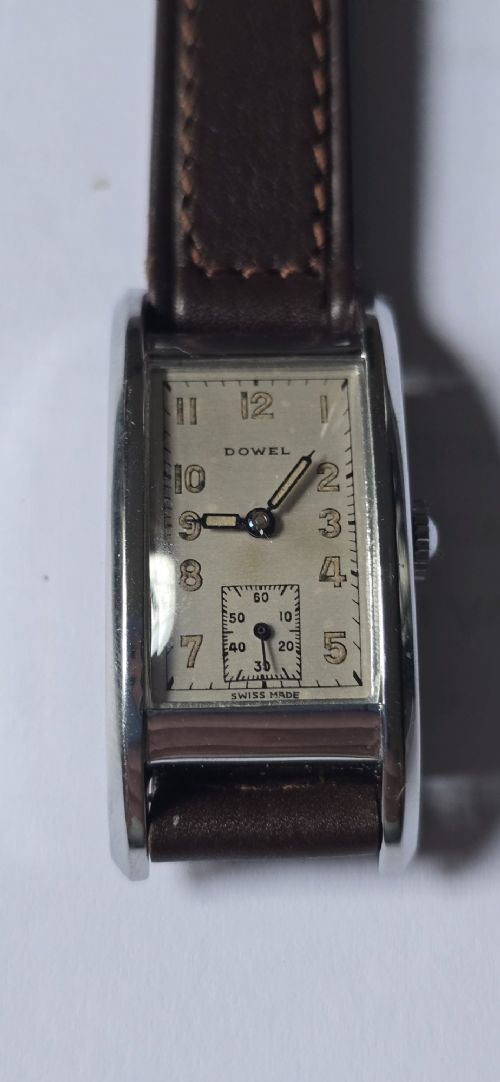
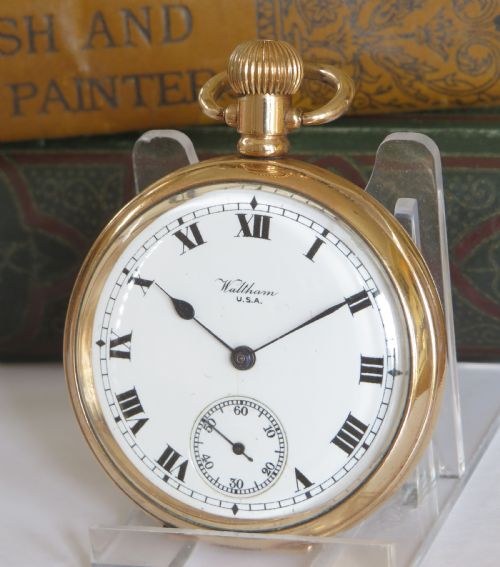
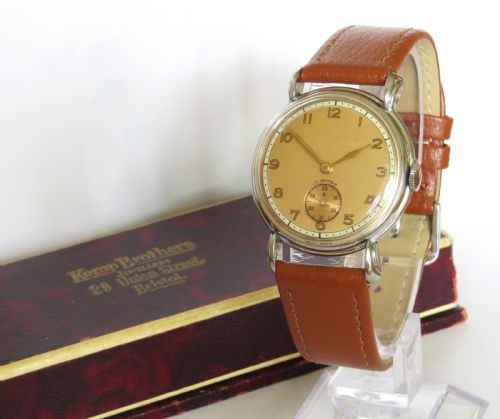
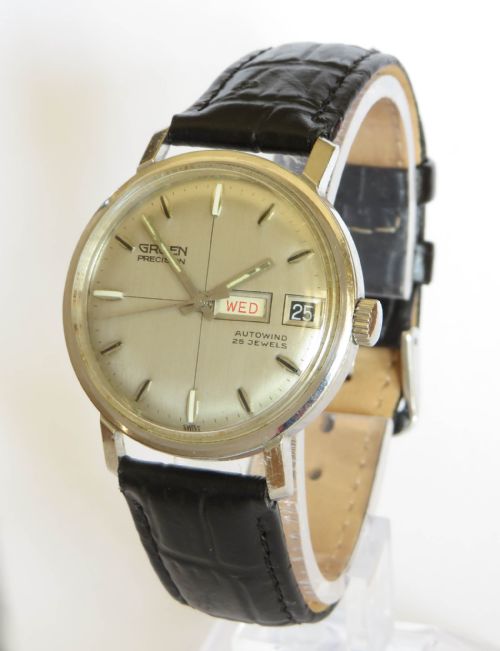
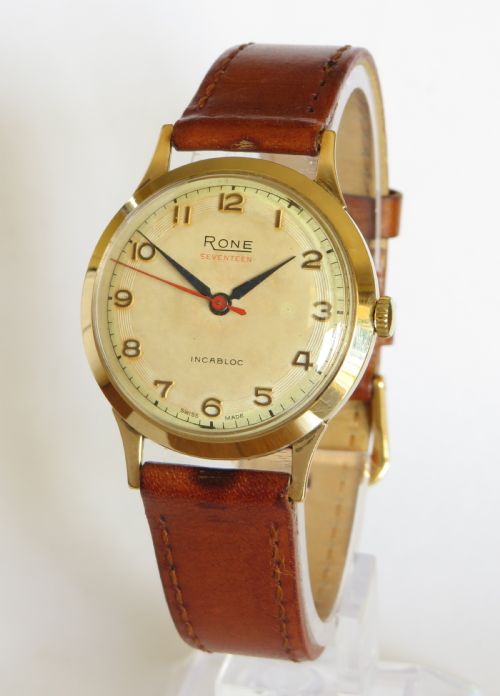
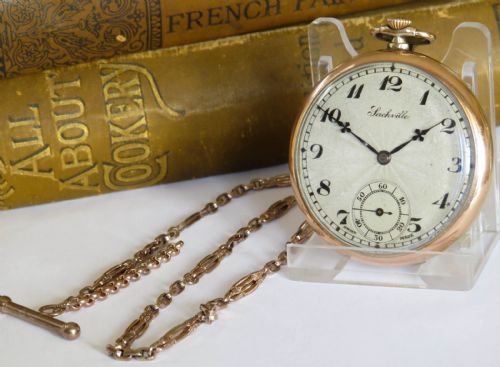
A mechanical movement watch encompasses both pocket watches and wristwatches spanning from the nineteenth century through the mid-twentieth century. Buyers encounter robust silver pocket pieces alongside sleek mid-century wristwatches powered by hand-wound or automatic calibres.
The selection here ranges from early twentieth century Edwardian pieces and Art Deco designs to post-war chronographs and dress watches. Pocket formats frequently feature chains or military fobs, while wrist variations showcase distinctive dials like the panda layout or patinated surfaces.
Materials and construction of vintage timepieces
The physical build of these timepieces relies on durable metals and protective minerals, principally stainless steel, silver, gold plate and solid gold alongside glass and acrylic crystals. Many examples incorporate leather straps or metal bracelets to secure the casing to the wrist or pocket.
Internal engineering utilises complex mechanical movements, ranging from manual wind calibres to automatic bumper and auto-wind systems. Enamel dial work and detailed metallic cases complete the construction, reflecting the horological standards of Swiss and British workshops.
Listings span from the 19th Century through the 1960s, featuring pocket watches and wristwatches fashioned from steel, silver, gold plate and leather.
Distinctions in horological quality
Quality diverges between standard utility pieces and high-grade horological examples through the sophistication of the internal movement and the preservation of original components. Watches retaining unpolished steel or gold cases, pristine dials and signed manufacturer movements stand apart from altered items.
The distinction also lies in the execution of the casing and the complexity of the calibre, such as chronograph functions or precision auto-wind mechanisms. Original box sets and untouched factory states elevate certain wristwatches and pocket pieces significantly above standard survivors.
Omega·Zenith·Cortebert·Vertex·J W Benson·Kendal & Dent·Waltham·Rone·Gruen·Stauffer·Tavannes·Hahn Landeron·Longines·Wittnauer·Bulova·Limit·Lonville·Breitling·Cyma·Avia·Roamer·Everite·Revue·Eterna-Matic·Girard Perregaux
The Mechanical Movement Watch Glossary
- Calibre
- The specific internal mechanism or movement model created by a watchmaker. It defines the layout and mechanical architecture driving the hands.
- Half Hunter
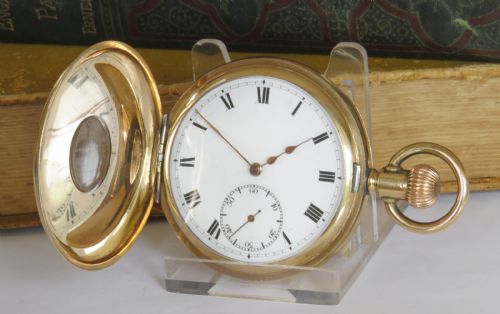
- A pocket watch case featuring a solid outer cover with a small glass window in the centre. This allows the wearer to check the time without opening the outer lid.
- Panda Dial
- A watch dial style featuring contrasting sub-dials set against a lighter main background. The distinctive visual arrangement resembles the face of a panda.
- Chronograph
- A timepiece equipped with a secondary independent sweep second hand. This function measures elapsed time independently of the primary timekeeping gears.
Mechanical Movement Watch: Frequently Asked Questions
How do I wind a manual mechanical movement watch?
Turn the crown gently in a clockwise direction until you feel slight resistance. Stop immediately to avoid over-winding and damaging the mainspring.
Most vintage hand-wound pieces require daily winding to maintain accurate timekeeping throughout use.
What is the difference between manual and automatic watches?
Manual mechanical movements require regular hand winding via the crown to store energy in the mainspring. Automatic calibres feature a weighted internal rotor that winds the spring naturally using the movement of the wearer's wrist.
Both systems rely purely on mechanical gears rather than battery power.
Can I wear my vintage watch every day?
Many vintage wristwatches serve reliably for daily wear if handled with appropriate care. However, older pieces generally lack modern water resistance and shock-absorbing technology.
Owners should keep them away from moisture, magnetic fields and heavy impacts.
How do I date a pocket watch?
Examine the interior hallmarks on silver or gold cases, alongside any serial numbers inscribed directly onto the internal movement plate. These stamps often correlate with historical maker records and assay office marks.
Comparing the movement design style also helps narrow down the production era.