

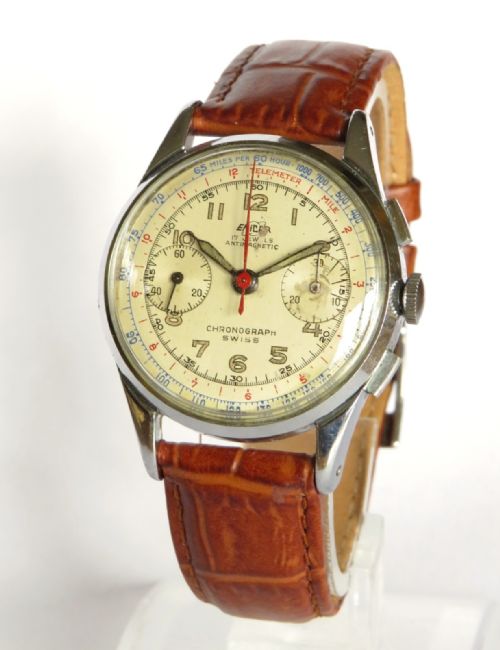


Mechanical Chronograph
A mechanical chronograph combines traditional timekeeping with a stopwatch function, offering a tactile connection to historical precision engineering.
Mechanical Chronograph
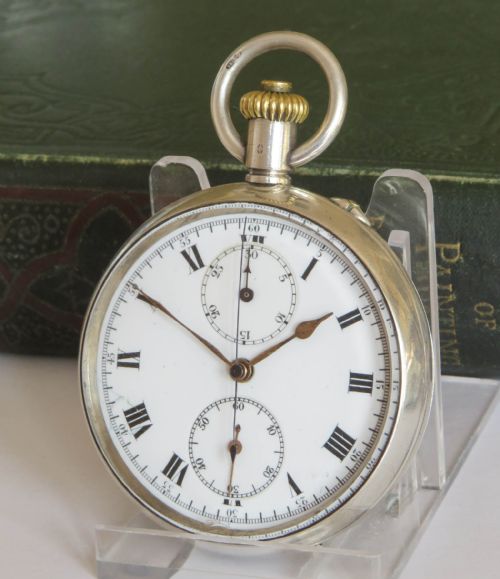
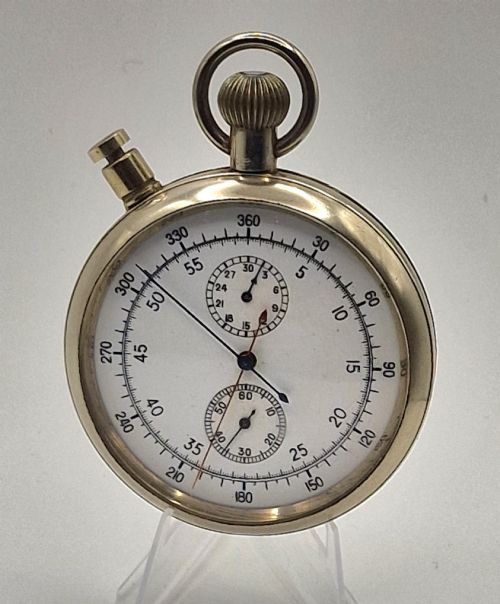
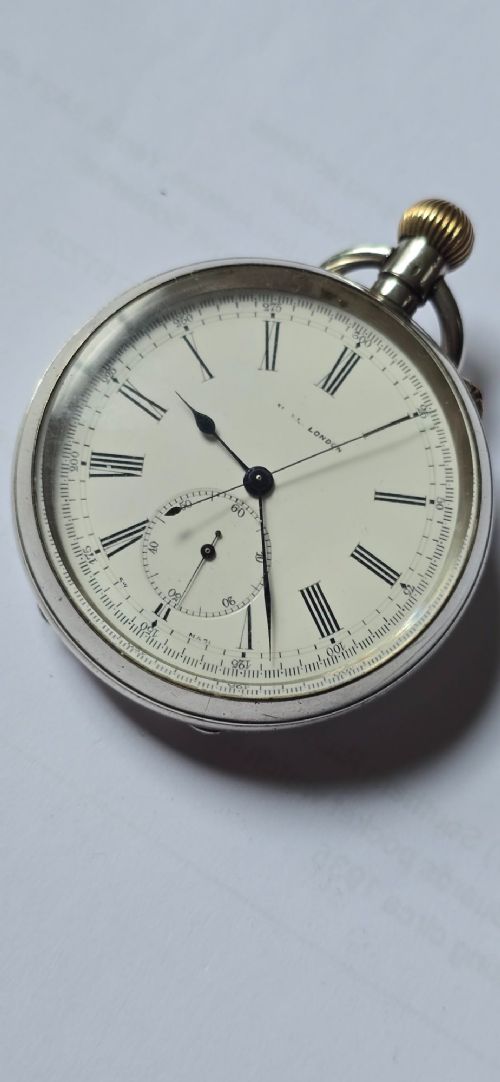
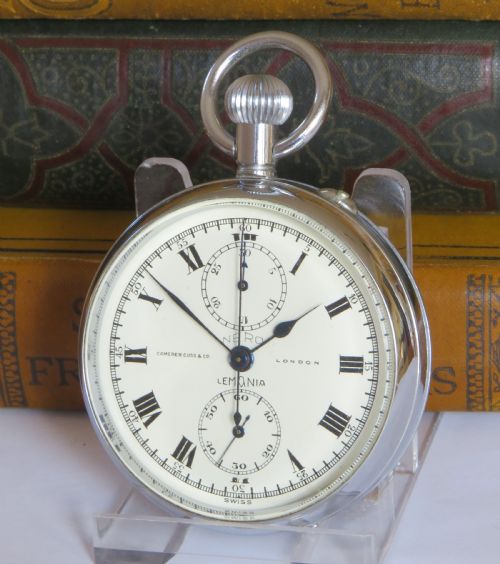
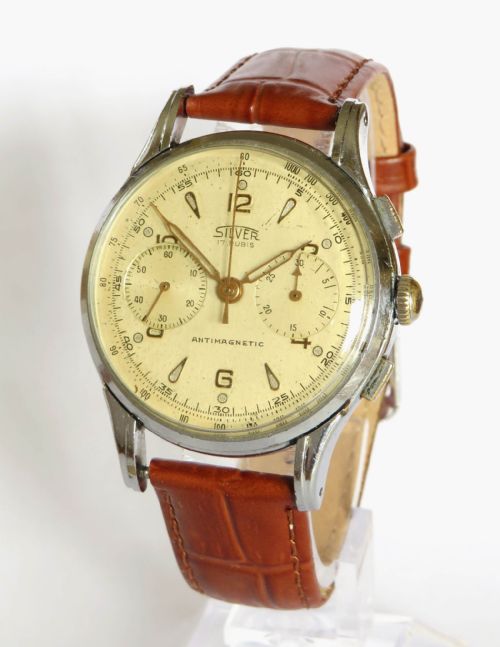
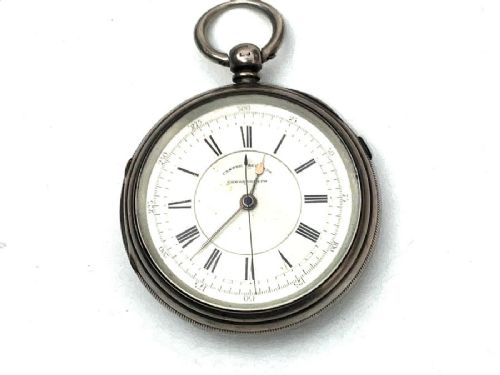
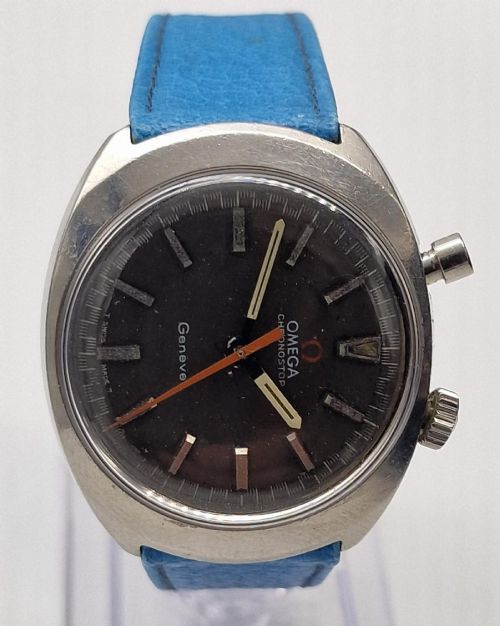
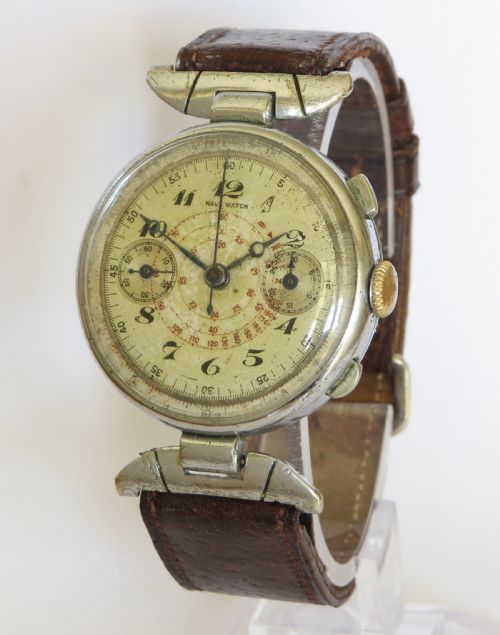
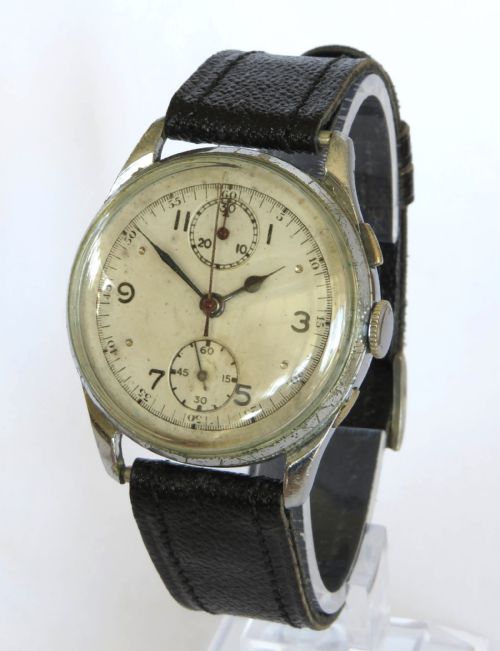
A mechanical chronograph represents a complex branch of horology, merging standard timekeeping with independent timing mechanisms. When seeking a mechanical chronograph, buyers encounter wristwatches, pocket watches, and stopwatches spanning from the late nineteenth century through to the late twentieth century.
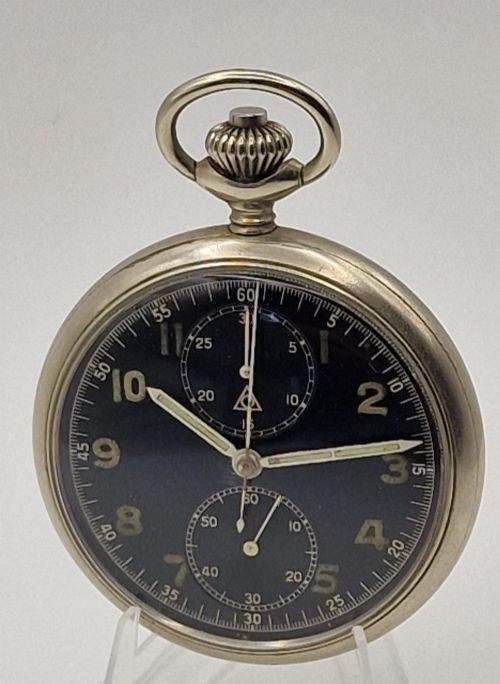
The selection ranges from robust military and aviation issue timepieces to refined dress watches featuring gold plate, solid gold, and steel construction. Mid-century examples alongside earlier pocket watch formats dominate the field, reflecting decades of shifting industrial design.
Military utility pieces and civilian aviator designs share space with elegant triple calendar complications and sophisticated deck watches. Each object preserves a distinct utilitarian or decorative purpose from its respective era.
Materials and construction methods
Makers utilised durable metals including stainless steel, silver, and gold plate for cases, paired with protective glass or acrylic crystals over intricate dials. Leather straps complete the wearable pieces, while pocket formats rely purely on metal casings.
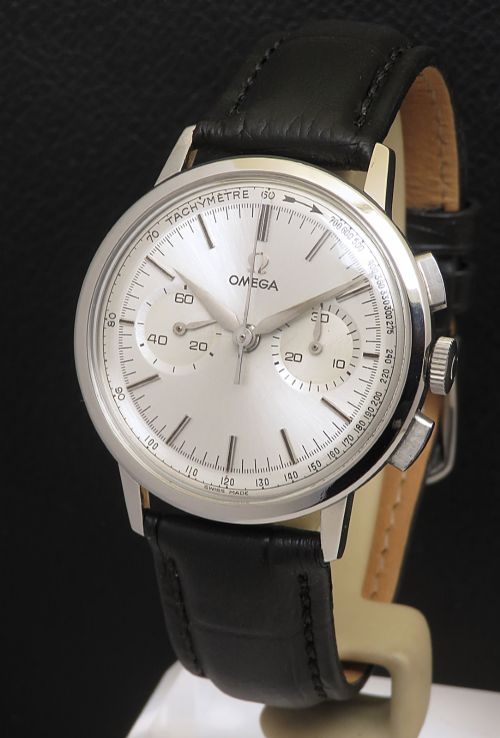
Enamel often provides a durable, glossy finish for early dial faces, whereas later models employ complex metal printing for tachymeter and telemetric scales. Internal movements rely on precision steel gearing, manual wind mechanisms, and specialised mechanical complications.
Casing construction balances rugged utility against refined aesthetic standards, particularly in military and aviation equipment where legibility and resilience remain paramount.
Mechanical Chronograph Retail Price Guide 2026
Typical asking prices for mechanical chronograph among the pieces listed under this phrase on Sellingantiques today, from the lower quarter to the upper quarter. They describe what is for sale here now, not the wider market.
Diamond crowns and panda dials prove that even rigorous timing instruments appreciate a touch of theatrical flair.
Distinctions in craftsmanship
The integrity of the dial and the original state of the case metal determine the visual preservation of a piece. Finer examples retain crisp hallmarks, unpolished case edges, and clean, legible dial markings without degradation.
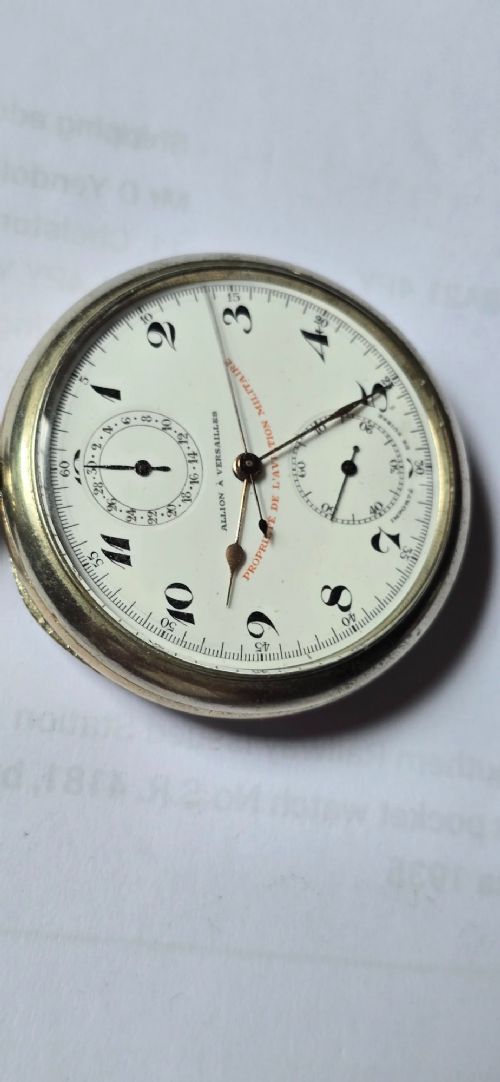
Allion of Versailles·Omega·Lemania·Breitling·Enicar·Invicta·Mappin·Fludo·Miramar·Benrus
The Mechanical Chronograph Glossary
- Chronograph
- A watch with a display function for measuring short elapsed time intervals independently of the time of day. It typically utilises a central sweep seconds hand that can be started, stopped, and reset via pushers.
- Panda dial
- A watch dial featuring a light-coloured face with contrasting dark sub-dials, resembling the face of a panda. This layout improves legibility during timing tasks.
- Rattrapante
- A complex pocket watch or wristwatch mechanism featuring two overlapping stopwatch hands, enabling the measurement of intermediate split times. Also known as a split-seconds chronograph.
- Triple calendar
- A watch complication that displays the day of the week, the month, and the date alongside standard timekeeping. These indications often encircle the main dial.
- Tachymeter
- A graduated scale inscribed around the outer rim of a watch face used to compute speed over a measured distance. It translates elapsed time in seconds per kilometre into speed units.
Mechanical Chronograph: Frequently Asked Questions
How do I operate a mechanical chronograph?
Operation relies on pushers positioned beside the winding crown to start, stop, and reset the independent timing hands. Most vintage manual wind movements require careful handling of these pushers to preserve the internal column wheel or cam mechanisms.
After timing an event, pressing the reset pusher snaps the chronograph hand back to the twelve o'clock position. Users should avoid engaging contradictory functions simultaneously to prevent undue wear on the vintage gears.
What is the difference between a stopwatch and a chronograph?
A stopwatch functions solely as a dedicated timing instrument without displaying the time of day. It is built exclusively to measure elapsed intervals.
In contrast, a chronograph integrates this timing capability into a functioning watch that simultaneously tells the time. This dual purpose made them essential tools for aviators, naval officers, and engineers.
How should I store a vintage mechanical watch?
Store the timepiece in a dry, temperature-controlled environment away from direct sunlight and magnetic fields. Exposure to extreme humidity or temperature fluctuations can degrade internal lubricants and vintage leather straps.
If the piece is not worn regularly, allowing the manual wind mechanism to run down completely is standard practice. Periodic gentle winding keeps the internal oils from settling permanently.
Were these watches used in military service?
Many examples on record served military branches, including aviation and naval artillery units. Air Ministries and military procurement departments issued specific chronographs to personnel for navigation and tactical calculations.
These military-issue pieces often bear specific caseback engravings denoting their official armed forces affiliation. Their robust construction was engineered to withstand rigorous operational environments.