




Matching Table Set
A matching table set brings immediate harmony to a room, offering coordinated furniture designed to share a single space.
Matching Table Set
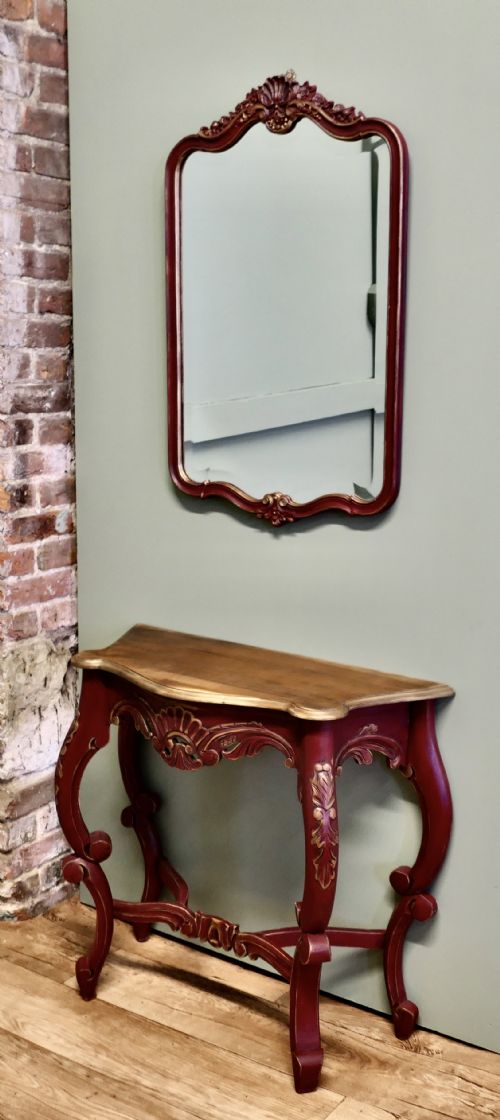
A matching table set comprises dining, coffee, or console tables paired with coordinated seating, benches, mirrors, or side pieces. These groupings create a unified aesthetic for dining rooms, hallways, and living spaces.
The evidence shows these sets span extensive oak refectory and dining tables with matching chairs, down to smaller occasional items and garden furniture. Oak, walnut, and cast iron recur frequently across both listed and sold pieces.
Buyers seeking a matching table set will encounter historical periods ranging from the nineteenth century and Edwardian eras through to mid-century examples. The selection connects large dining configurations with compact settings.
How they were made
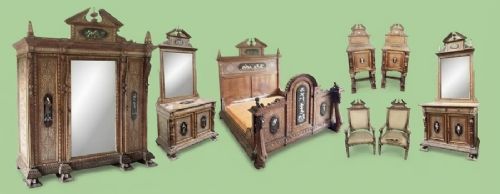
Makers utilised solid timbers such as oak, walnut, and satinwood, constructing heavy refectory tables, bedroom suites, and dining sets with robust joinery. Metal elements like cast iron appear in garden furniture and brass in decorative accessories.
Surface treatments involve detailed carving, giltwood framing, and polished veneers that unite the tables with their corresponding chairs, benches, or console tables. Glass and marble elements are integrated into tabletops and decorative vessels.
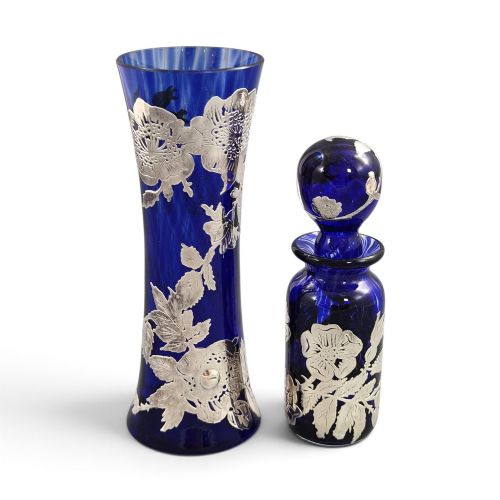
Silver items within these sets, such as salt cellars and serving spoons, involve traditional silversmithing techniques including etching and overlay work on glass.
Matching Table Set Retail Price Guide 2026
Typical asking prices for matching table set among the pieces listed under this phrase on Sellingantiques today, from the lower quarter to the upper quarter. They describe what is for sale here now, not the wider market.
Some sets arrive with fourteen matching chairs, ensuring nobody ever has to sit on the floor during dinner.
What varies in quality
Quality rests upon the integrity of the matching elements, where tables and their accompanying chairs or side cabinets share consistent timber grain, colour, and period details. Sets that retain every original matching component demonstrate higher cohesion.
The execution of hand-carved details, the weight of the timber or silver, and the finesse of auxiliary pieces such as etched glass or giltwood mirrors distinguish finer examples from simpler utilitarian groupings.
Construction methods also separate the pieces, with traditional joinery and uncompromised structural frames holding greater longevity than secondary replacements.
Georg Jensen·Laugharne Glass·Waring & Gillows·Adie Brothers·Vale Brothers and Sermon
The Matching Table Set Glossary
- Refectory table
- A long, narrow dining table traditionally used in monasteries and large halls. They are frequently built from heavy oak with sturdy trestle or leg supports.
- Console table
- A table designed to fit flush against a wall, often topped with marble. They are frequently paired with matching wall mirrors or trumeau frames.
- Giltwood
- Wood that has been treated with gold leaf or a gold-coloured finish. This technique highlights carved frames on mirrors and console tables.
- Salt cellar
- A small vessel used for holding salt at the dining table. They are often found in matched pairs alongside corresponding salt spoons.
- Trumeau mirror
- An antique wall mirror featuring an upper decorative panel paired with the glass below. These often coordinate with matching console tables.
Matching Table Set: Frequently Asked Questions
What is a matching table set?
A matching table set consists of a central table accompanied by related seating, benches, or side furniture designed in the same style. These groupings ensure visual consistency across a dining area or room.
Such sets range from large oak dining arrangements with multiple chairs to smaller coffee tables with coordinating items.
How do I care for wooden tables?
Wooden tables require regular dusting with a soft cloth and protection from excessive moisture and direct sunlight. Maintaining stable indoor humidity prevents timber from warping or cracking.
Applying appropriate wax or polish helps preserve the finish and nourishes older woods like oak and walnut.
How do I identify Edwardian sets?
Edwardian sets often feature lighter timbers, simpler lines, and influences from earlier historical revivals compared to heavy Victorian designs. They frequently utilise oak and incorporate restrained decorative carving.
Examining the construction methods and hardware can help confirm the period of manufacture.
Can I mix table sets with other furniture?
Mixing a matching table set with contrasting pieces is common in interior styling to add depth to a room. While the core set remains uniform, surrounding items like sideboards or occasional chairs can introduce varied textures.
Maintaining a shared scale or complementary wood tone helps disparate pieces sit comfortably together.