



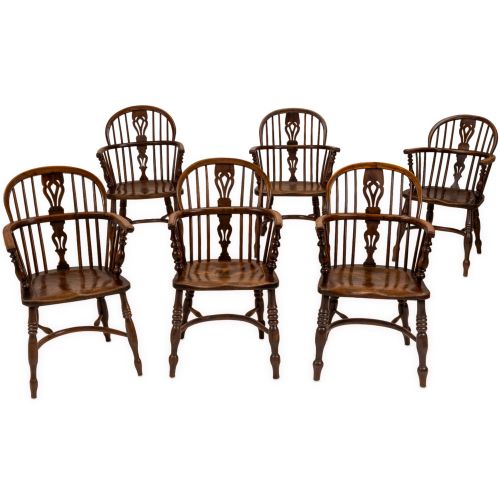


Matching Armchairs
Matching armchairs deliver unified seating through coordinated pairs and sets rooted in Georgian, Victorian, and Edwardian cabinet-making traditions.
Matching Armchairs
Matching armchairs encompass pairs, sets of six, and larger suites designed to coordinate seating arrangements within a room. When buyers search for matching armchairs, they encounter everything from formal library seating to vernacular Windsor chairs.
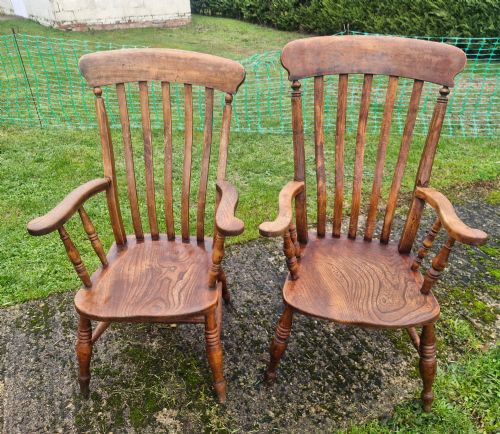
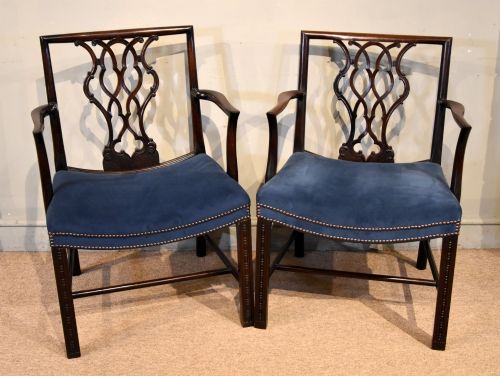
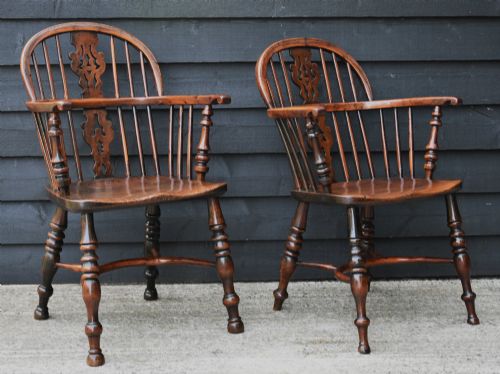
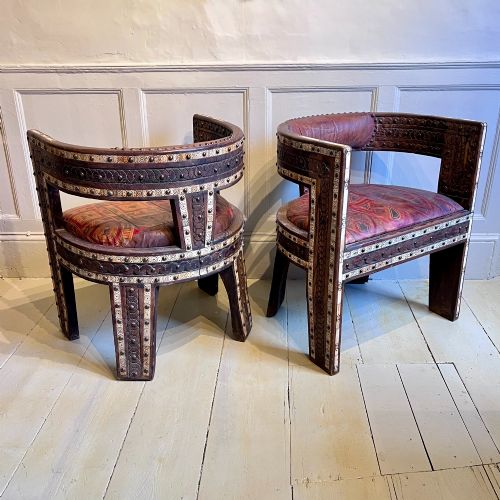
The pieces on this page span the Georgian, Victorian, and Edwardian eras, incorporating styles from English country to Louis XVI and Moorish. Windsor forms in yew and elm sit alongside buttoned back upholstered chairs and carved mahogany library seats.
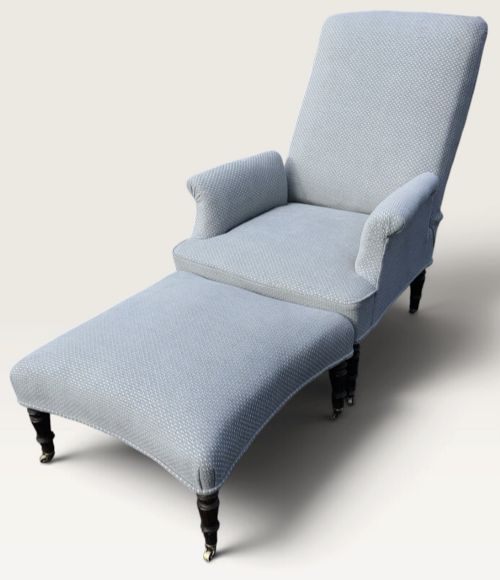
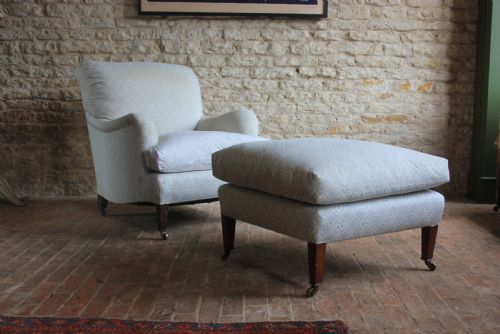
Many listings include associated items such as matching footstools, settees, or single chairs that complete a larger suite. Origins range from English workshops to Scottish and colonial makers.
Materials and construction
Timbers such as mahogany, yew, elm, and hardwood provide the structural framework for these seats, often shaped with carved details or inlaid marquetry. Windsor models utilise traditional steam-bending and spindle-turning techniques.
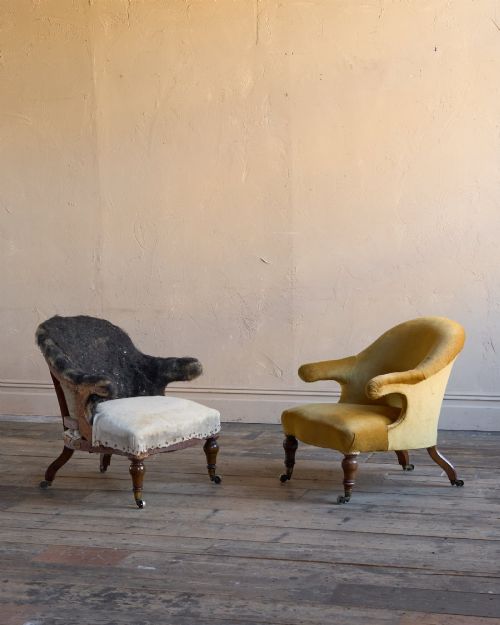
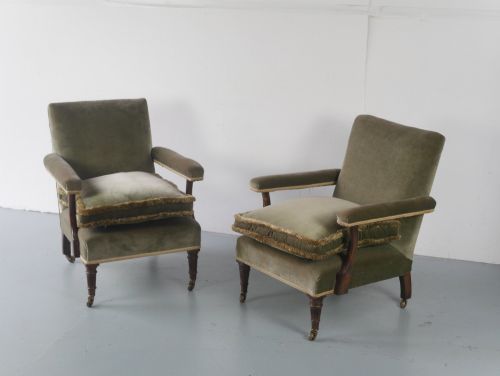
Upholstery relies on materials like leather, velvet, fabric, and silk damask to finish seats, parfois accented with buttoned backs or giltwood frames. Brass and other metals appear on campaign chairs and decorative mounts.
Matching Armchairs Retail Price Guide 2026
Typical asking prices for matching armchairs among the pieces listed under this phrase on Sellingantiques today, from the lower quarter to the upper quarter. They describe what is for sale here now, not the wider market.
The inventory incorporates regional British designs alongside colonial campaign chairs and French Louis XVI style giltwood seating.
Evaluating quality and execution
Quality rests on the integrity of the timber selection and the precision of the joinery, particularly in structural joints and turned stretchers. Finer examples display crisp carving and well-proportioned frames that maintain their stability over centuries.
The preservation of original upholstery materials, surface patination, and matching elements dictates the standing of a pair or set. Consistent ageing across all pieces in a matched group indicates genuine pairing rather than later assembly.
Howard & Sons·James Shoolbread
The Matching Armchairs Glossary
- Windsor armchair
- A wooden chair featuring a saddle-sculpted seat into which the back and legs are directly wedged. These pieces often employ yew and elm.
- Giltwood
- Timber treated with gold leaf or gilt gesso to create a lustrous surface finish. This treatment appears frequently on French style salon furniture.
- Crinoline stretcher
- An arched metal or wooden brace connecting the legs of a chair to provide additional stability. They are typical of certain 19th century Windsor designs.
- Campaign chair
- Portable folding furniture constructed for travel during military campaigns. These pieces incorporate folding frames and metal hinges.
- Duchesse brisée
- A multi-piece chaise longue or day bed split into sections for ease of arrangement. They often form part of larger seating suites.
Matching Armchairs: Frequently Asked Questions
How do I verify if armchairs are genuinely matched?
Examine the timber grain, construction methods, and dimensions across all pieces in the set to check for consistency.
Slight variations in hand-carved details or wear patterns often confirm period authenticity rather than modern replication.
What periods do these armchairs represent?
The selection spans from Georgian and Victorian eras through to Edwardian and early 20th century designs.
Styles range from country vernacular Windsors to formal George III revival library chairs.
Are footstools usually included with these chairs?
Certain listings include associated footstools or ottomans designed to complement the primary seating.
These additions share upholstery materials or wood types with the matching armchairs.
How should I care for antique wood and upholstery?
Protect wooden frames from direct sunlight and fluctuating humidity to prevent timber splitting or warping.
Maintain upholstered surfaces through gentle vacuuming and professional cleaning suited to silk, leather, or velvet.