
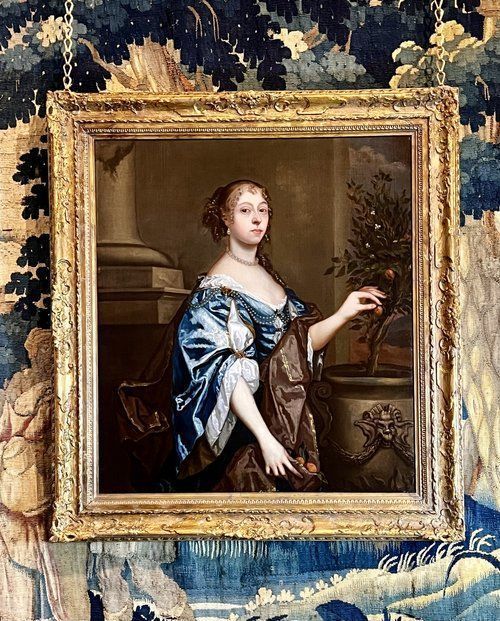

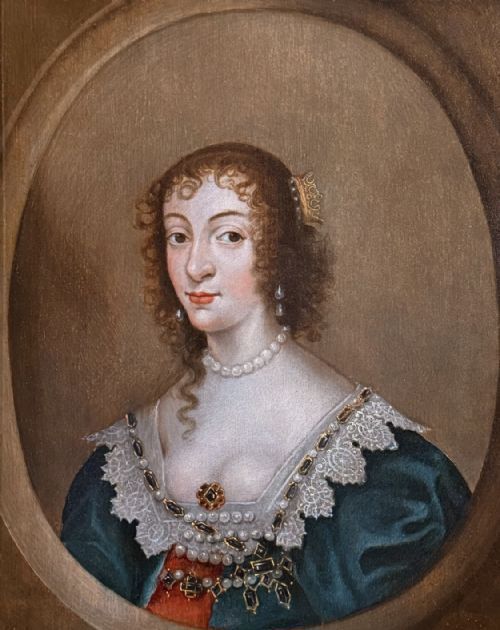
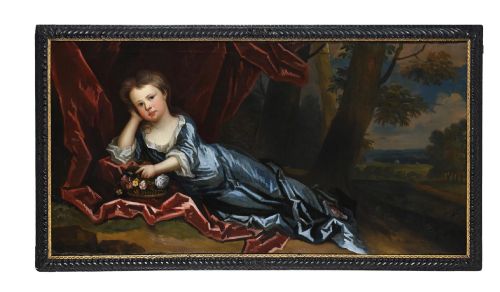
Master Portrait Oil Painting
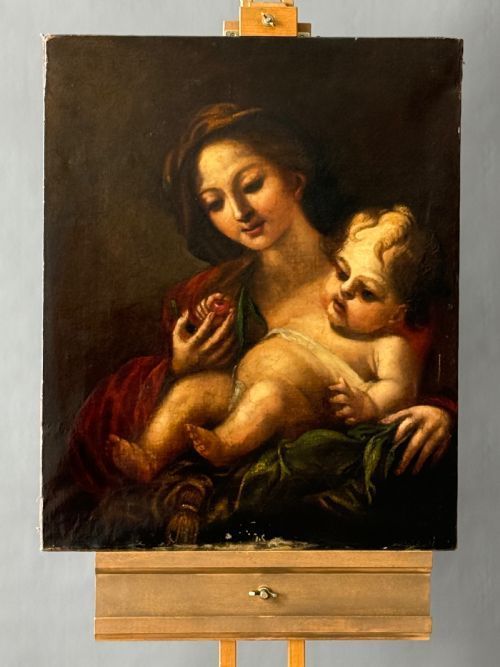
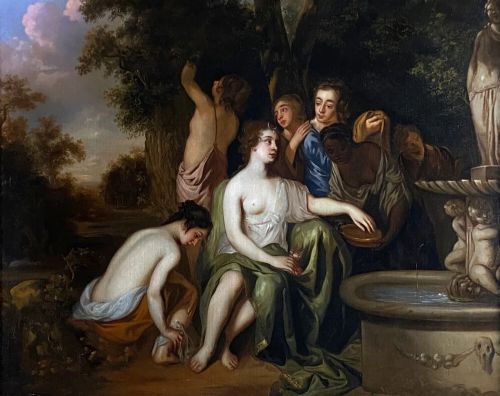
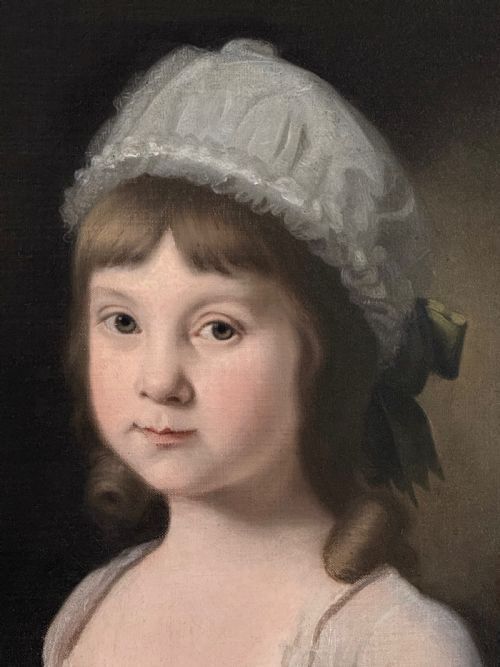
Master portrait oil painting brings centuries of aristocratic likenesses, biblical figures and classical subjects into contemporary rooms through historic oil on canvas and panel works.
Master Portrait Oil Painting
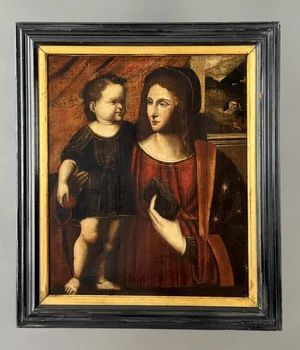
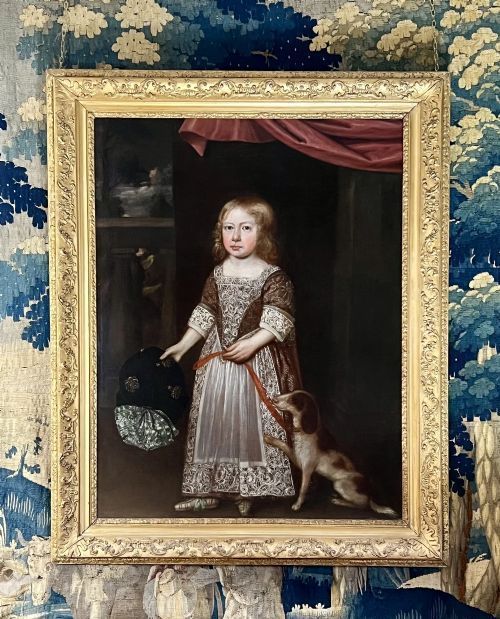
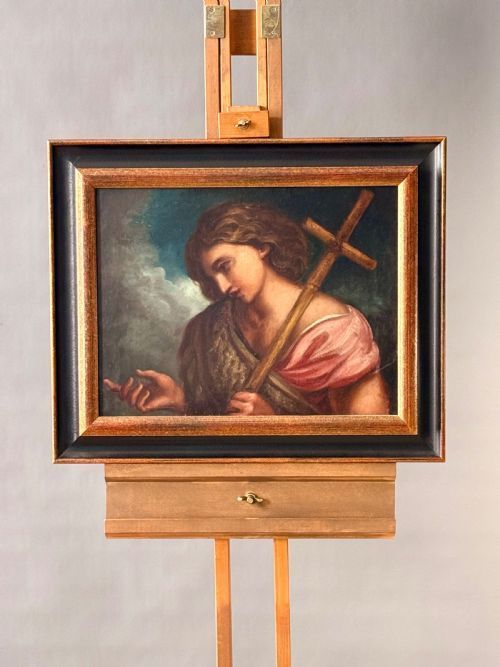
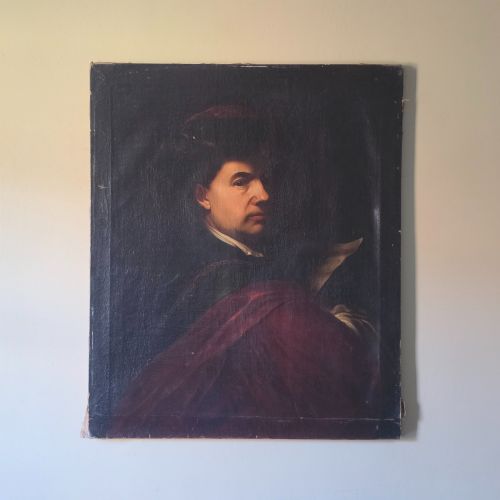
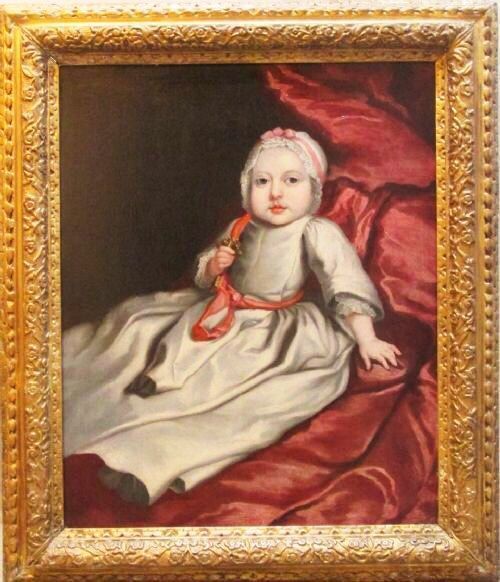
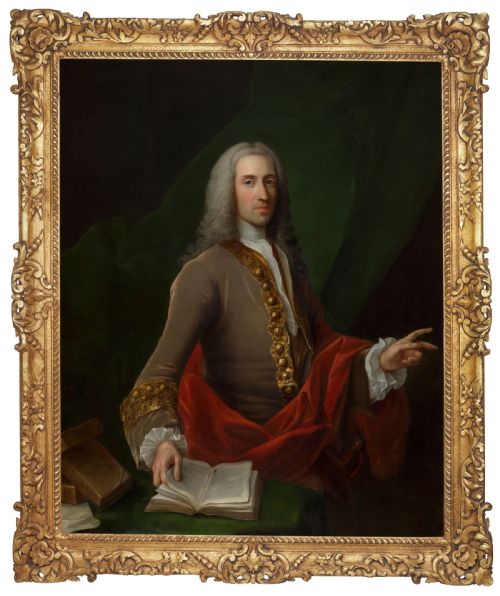
A master portrait oil painting captures figures from the sixteenth, seventeenth, and eighteenth centuries, including nobility, judges, children, and religious subjects rendered by European schools.
The selections span English, Dutch, Italian, French, and Spanish traditions, encompassing original works by named artists, circles of established painters, and later interpretations after prominent masters.
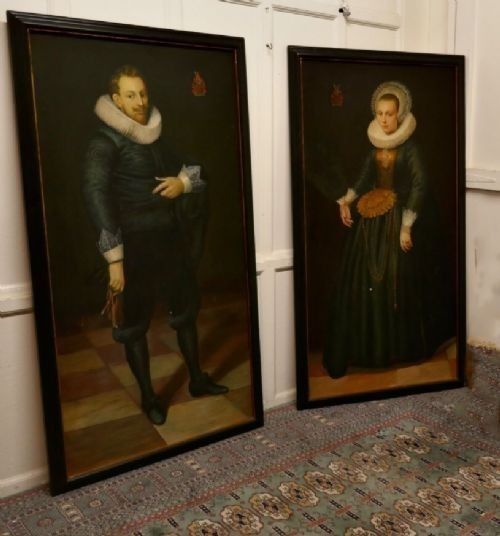
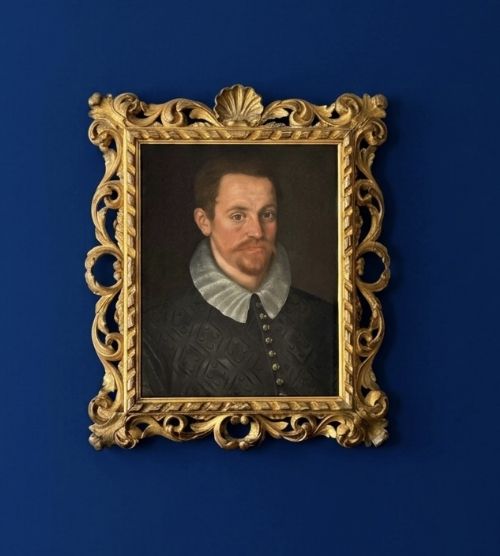
Buyers encounter subjects wearing intricate ruff collars, velvet doublets, and formal attire, set against dark backgrounds, garden terraces, or pastoral landscapes.
Materials and methods
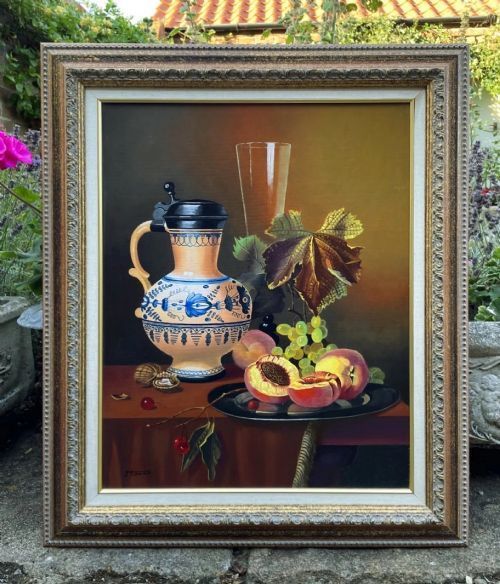
These works utilise oil paint applied to woven canvas supports or solid wooden panels, sometimes supplemented by vinyl canvas in later reproductions.
Makers built depth through layered pigments, occasionally revealing pentimento where earlier compositional brushstrokes show beneath the final surface.
Surfaces often retain original or period giltwood and carved frames finished with gold leaf.
Several seventeenth-century subjects wear extraordinarily stiff ruff collars that look entirely exhausting to balance beneath.
Distinctions in quality
The preservation of the original pigment layers, canvas tension, and panel stability dictates the visual impact of the work.
The presence of a period carved giltwood frame suited to the painting's exact decade elevates the historical integrity of the piece.
Sir Peter Lely·Joshua Reynolds·Jeremiah Davison·Pieter Borseler·Pietro Fachetti·Nicolaes Maes·Cornelius Johnson·James Maubert·John Riley·John Closterman·Jacob Huysmans·Sir Martin Archer Shee·Hans Holbein the Younger·Godfrey Kneller·Gilbert Jackson
The Master Portrait Oil Painting Glossary
- Old Master
- A European artist of high skill working before the nineteenth century, or a painting created by such an artist. These works form the core of early portraiture.
- Pentimento
- An alteration in a painting evidenced by underlying brushstrokes that have become visible through the upper layers of paint. This occurs as oil media ages and becomes more transparent.
- Circle of
- A designation used when a painting originates from an artist working in close association with a master, sharing their exact style and workshop methods.
- Ruff
- A voluminous pleated collar worn in European fashion during the sixteenth and seventeenth centuries. Their intricate execution signals the skill level of the portraitist.
- Giltwood
- Wood carved and covered with a thin layer of gold leaf or gold paint. Frames of this material frequently accompany antique portraits.
Master Portrait Oil Painting: Frequently Asked Questions
What periods do these paintings come from?
The works originate primarily from the sixteenth, seventeenth, and eighteenth centuries, reflecting Renaissance, Baroque, and Georgian aesthetics.
Pieces also include nineteenth-century revivals and later interpretations copying earlier styles.
How do I identify the subject of a portrait?
Inscribed names, coats of arms, or accompanying books and letters often identify the sitter. Costume details like ruffs and armour also provide clues to the era.
Archival records or catalogued provenances occasionally link specific sitters to documented historical figures.
How should I hang an oil painting?
Secure the work away from direct sunlight and fluctuating heat sources to protect the canvas and oil pigments. Use sturdy wall fixings rated for the weight of the wood frame.
Maintain stable indoor humidity to prevent wood panel warping or canvas slackening.
What is the difference between a school and an individual work?
Paintings attributed to a school or circle represent works executed by contemporaries or pupils following the style of a master rather than signed originals.
These pieces still hold significant age and technical skill from the period.