



Masons Ironstone Pottery
These pieces of masons ironstone pottery offer robust service and striking oriental motifs, making them a cornerstone of nineteenth-century ceramic collections.
Masons Ironstone Pottery
When buyers search for masons ironstone pottery, they encounter practical wares and ornamental pieces spanning the Georgian, Regency, Victorian, and Edwardian periods.
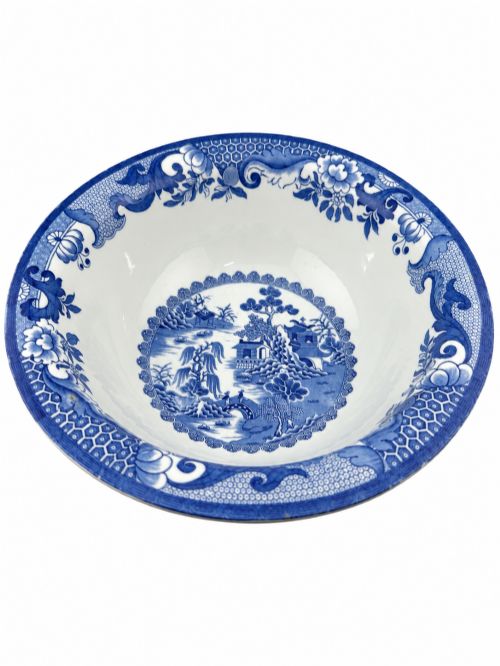
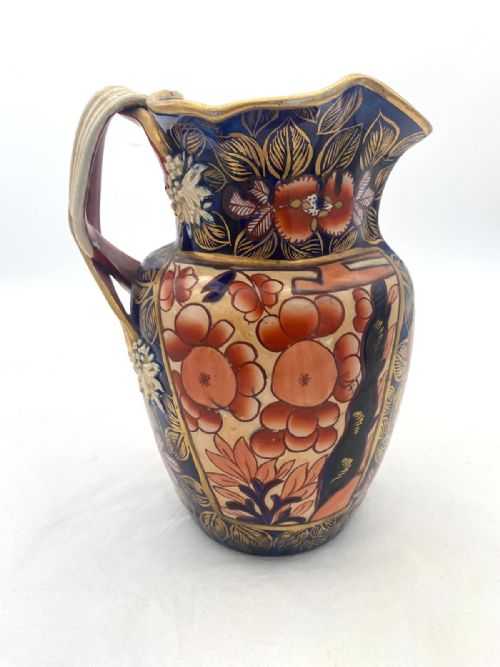
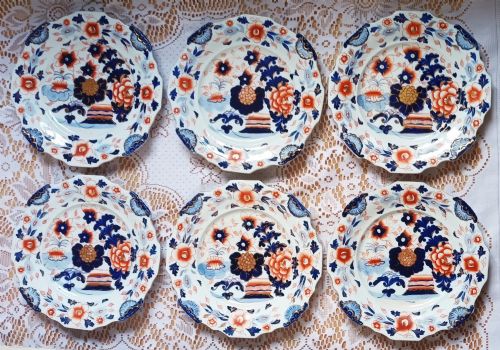
The selection ranges from large wash basins, soup tureens, and cheese dishes to decorative plates, chargers, fruit comports, and hydra jugs.
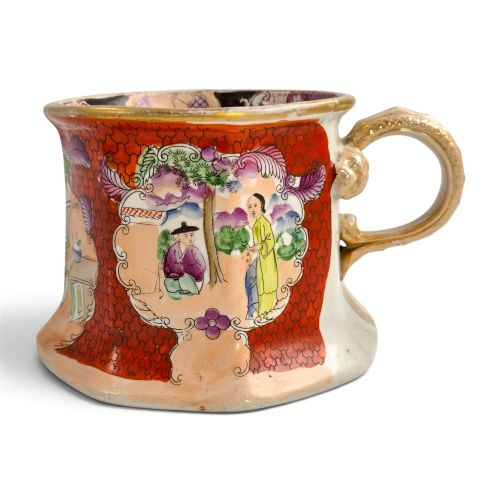
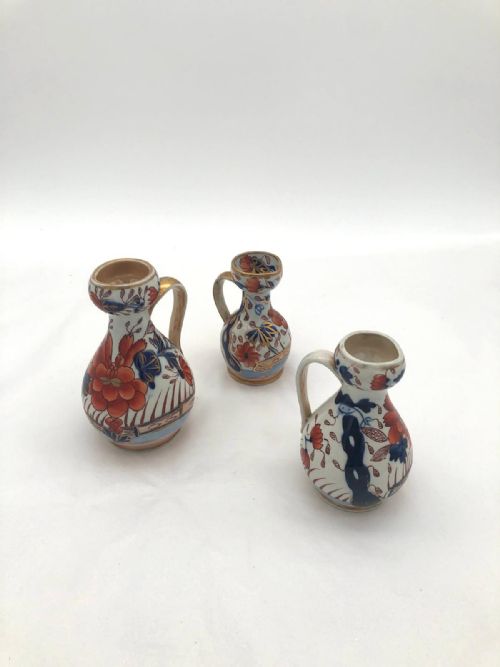
Chinoiserie and Japan patterns dominate the forms, alongside bird and peony motifs, orange ground charger plates, and schoolhouse designs.
How they were made
Potters combined ceramic materials to create a dense, durable body known as ironstone, designed to withstand heavy daily use while retaining fine detail.
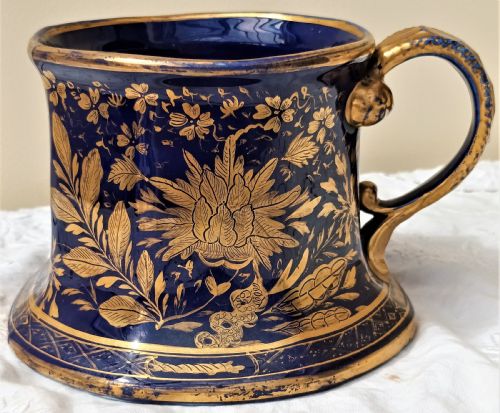
Surface decoration relies on applied glaze, enamel colours, and gilt or gold leaf detailing to render complex oriental scenes and botanical patterns.
Masons Ironstone Pottery Retail Price Guide 2026
Typical asking prices for masons ironstone pottery among the pieces listed under this phrase on Sellingantiques today, from the lower quarter to the upper quarter. They describe what is for sale here now, not the wider market.
Early nineteenth-century potters painted imaginary oriental pagodas onto heavy kitchen china so breakfast felt like an expedition.
What varies in quality
The crispness of the transfer printing and the precision of the hand-applied enamel work distinguish standard production from exceptional studio output.
Graduated sets and matched pairs demonstrate higher desirability than isolated service pieces, especially when gilding remains intact across handle and rim mouldings.
Miles Mason
The Masons Ironstone Pottery Glossary
- Ironstone
- A patented ceramic body invented to provide a durable alternative to porcelain. It combines the weight and strength of earthenware with refined finishing qualities.
- Chinoiserie
- European decorative motifs inspired by Chinese art and design. These patterns feature imaginary landscapes, pagodas, and exotic birds.
- Hydra jug
- A distinctive pitcher featuring a serpent-shaped handle. This classic form appears frequently in early nineteenth-century production.
- Comport
- A decorative footed dish or bowl used for serving fruit. These pieces typically sit elevated on a pedestal base.
- Porringer
- A small, handled bowl used historically for porridge or broth. In ironstone, these survive as scarce table vessels.
Masons Ironstone Pottery: Frequently Asked Questions
What is ironstone pottery?
Ironstone is a heavy, durable ceramic material patented in the nineteenth century to bridge the gap between earthenware and true porcelain.
It offers superior strength for functional items like soup tureens and wash basins while accepting rich enamel and gilt decoration.
How do I date these pieces?
Dating relies on identifying stylistic markers, pattern names, and backstamps where present on the ceramic body.
Early nineteenth-century examples often feature vibrant Chinoiserie hand-painting, whereas later Victorian and Edwardian pieces show shifts in colour palettes and mould designs.
Are these items suitable for daily use?
Most pieces were originally created for active household service, featuring robust ironstone bodies designed for heavy dining and kitchen routines.
However, surviving antique examples with delicate gold leaf and hand-applied enamels require careful handling and gentle hand washing.
What are hydra jugs?
Hydra jugs are distinctive water or milk pitchers characterised by a bold serpent-shaped handle.
They represent one of the most sought-after nineteenth-century forms produced in ironstone china.